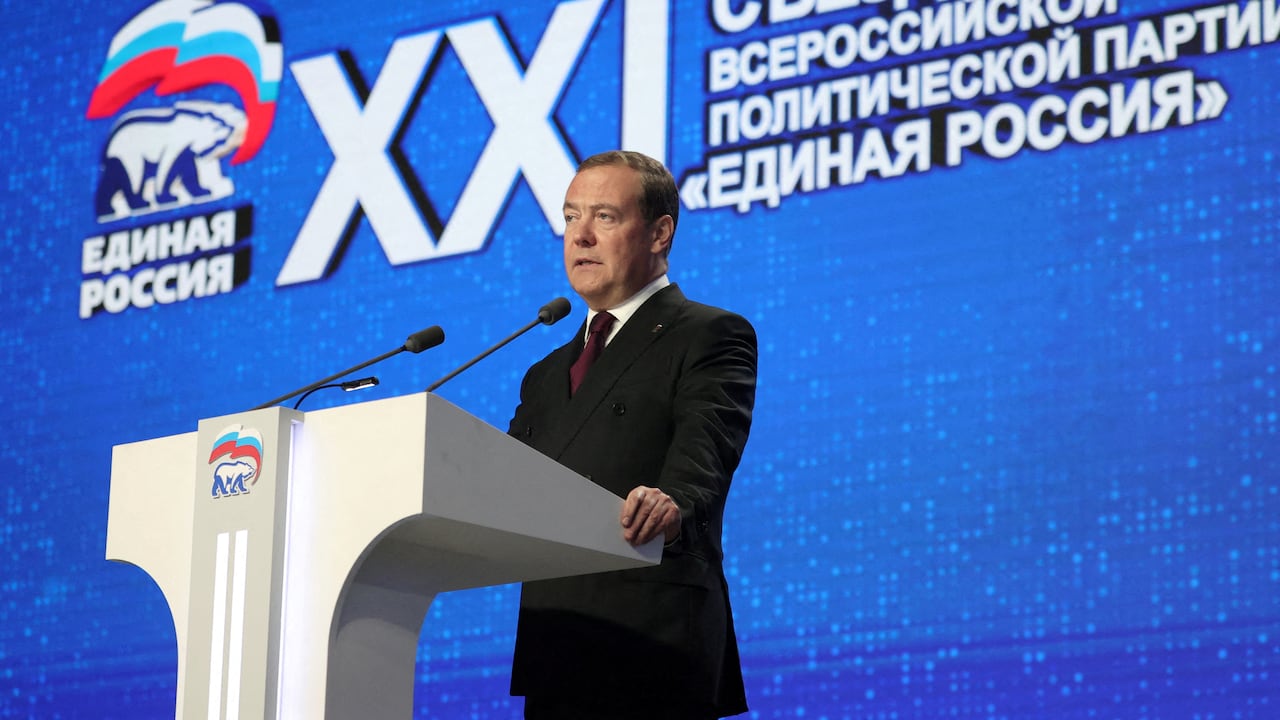
Washington just passed another heavy wave of restrictions, and Moscow is already biting back. Dmitry Medvedev responded to fresh American penalties by demanding an aggressive posture of military deterrence. He didn't mince words on his Telegram channel. He basically stated that Western capitals only understand the language of direct force.
This happens right after Washington pushed through a major sanctions bill targeting Russia's energy pipelines, defense grid, and top officials. The political optics are tense. The legislative package aims squarely at starving the Kremlin's war chest. It hits hard on oil, gas, and key financial institutions. Medvedev, serving now as deputy chair of Russia's Security Council, took immediate aim at the legislation. He called the move a Russophobic atrocity.
People always ask what these online threats actually mean. Are they just theatrical venting for domestic media consumption? Or do they signal an immediate operational shift in Moscow?
The Anatomy of Kremlin Rhetoric
Medvedev transformed himself from a relatively mild, tech-friendly president into one of the loudest anti-Western voices in Russian politics. Critics often write him off. They call his frequent social media blasts a desperate bid to stay relevant inside Vladimir Putin's inner circle. That might be partially true. Yet, ignoring these warnings is dangerous. His public messaging often previews upcoming policy adjustments or tests public reaction to radical escalations.
When he talks about military deterrence, he is pointing back to a long-established Soviet-era doctrine. It is the language of escalation dominance. Moscow wants Washington and NATO allies to feel real physical pressure on their borders or through secondary theater proxies.
Why Washington Keep Turning the Economic Screws
The latest American legislative push didn't happen in a vacuum. Congressional leaders spent months arguing over the exact wording before finally getting it across the finish line. The goal is simple. Cut off the cash flow sustaining the campaign in Ukraine. By choking off energy revenues and hitting foreign shell companies trading Russian oil, Washington hopes to force a strategic rethink in the Kremlin.
Countries like India and China are caught in the crossfire too. Team Trump recently warned major importers to clean up their energy trade habits or face secondary tariffs. The global economic map is reshaping around these restrictions. Supply chains are breaking apart. Energy markets are twitching with every new policy announcement out of Capitol Hill.
What Happens Next
Nothing good. Expect retaliatory cyber operations, unconventional maneuvers, and tighter restrictions on Western diplomatic assets inside Russia. Moscow has few economic levers left to pull against the West, so the response will likely lean heavily into military signaling.
Watch the Baltic region and naval deployment patterns over the coming weeks. That is where the real message will land.