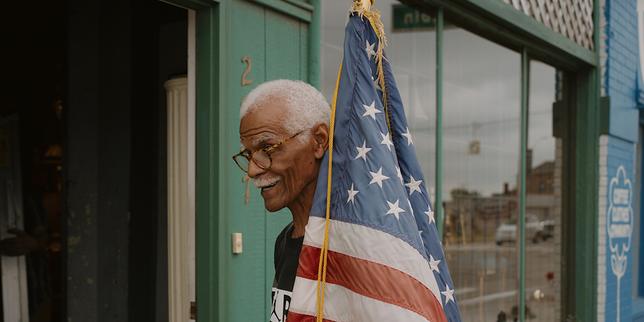
Cities change because the people holding their memories refuse to let go. When you walk through Detroit, you notice the physical scars of old racial lines and economic shifts right away. Factories that once hummed with industrial might stand empty or transformed, while neighborhoods tell a complex story of survival, displacement, and shifting political loyalties. Yet, the real pulse of a place like Detroit isn't found in corporate press releases. It lives inside local antique shops, where everyday objects preserve the hidden history of the American experience.
The Weight of History on the Streets of Detroit
Decades of racial segregation left deep structural wounds across Michigan’s largest city. For generations, Black residents navigated strict redlining, restricted job markets, and systemic disinvestment that shaped where they could live, work, and build wealth. Antique dealers and local historians who have spent decades operating in urban cores witness these shifts firsthand. They buy and sell the physical remnants of a changing society: mid-century furniture, discarded heirlooms, industrial artifacts, and civil rights memorabilia. For another look, read: this related article.
When you talk to independent business owners who survived the city's worst economic downturns, you hear a version of America that politicians often gloss over. It is gritty, resilient, and deeply skeptical of easy answers.
From Industrial Powerhouse to Political Realignment
How do you get from the legacy of strict racial segregation to the modern rise of populist movements in the Rust Belt? The answer is frustration. Many working-class voters, regardless of race, watched traditional political institutions fail them for decades. Factories closed. Neighborhoods crumbled. Promised revitalization projects often benefited outside investors rather than long-term residents. Further insight on this trend has been published by NBC News.
This disillusionment created an opening for political disruption. In places like Detroit and its surrounding counties, support for figures like Donald Trump didn't happen in a vacuum. It grew out of a fatigue with status-quo politics, a desire for economic protectionism, and a feeling that nobody in Washington was listening to ordinary citizens. Observers watching local merchants and community fixtures notice a quiet fatigue with partisan orthodoxies. People want tangible results, not ideological lectures.
What Everyday Artifacts Reveal About the American Mindset
Objects carry meaning long after their original owners are gone. Inside local antique stores, shelves are packed with items that trace the arc of American industrial triumph and social struggle. You find union badges from the golden age of the auto industry alongside vintage campaign buttons from eras of intense social upheaval.
- Old ledger books show local businesses struggling through racial redlining eras.
- Discarded family photo albums highlight the dignity of communities that built their own institutions under duress.
- Industrial tools remind everyone of what Detroit once manufactured before global trade agreements reshaped the landscape.
These items challenge simple narratives. They show that political shifts are rarely about a single election cycle. They are decades in the making, born from broken promises, economic anxiety, and a yearning for stability.
Moving Beyond the Quick Take
Too many analysts treat the American Rust Belt as a monolith or a brief election-year curiosity. They fly in, talk to a few pundits, and fly out. But understanding what is happening on the ground requires patience. It means listening to people who have weathered decades of systemic neglect and adaptation.
The next time you look at political maps or economic reports, remember that behind every data point is a human story. Real people are navigating changing neighborhoods, keeping independent businesses afloat, and trying to make sense of a country that feels increasingly fractured. Pay attention to the local voices that have been watching the transformation all along. That is where the truth of modern America actually lives.