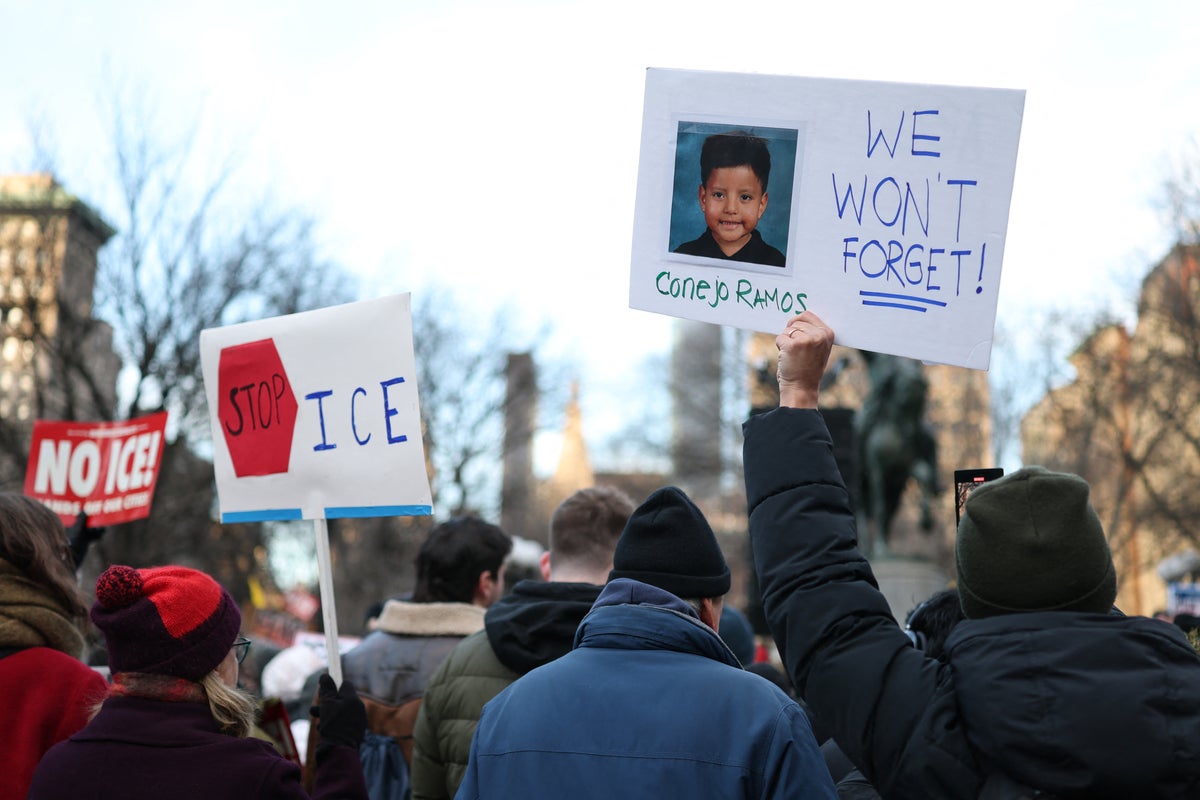
Five-year-old Liam Tadeo was supposed to be playing soccer on August 16. Instead, he ended up in a detention center. A traffic stop in Austin, Texas, turned into a federal immigration operation. It’s a scene that’s becoming far too familiar.
Watching a child cry while their parent is handcuffed by immigration officials is traumatic. It doesn’t matter what side of the immigration debate you fall on. This specific incident, where a boy headed to a soccer game found himself behind bars in Dilley, Texas, highlights the massive disconnect between immigration policy and basic human reality.
The reality of the Dilley facility
The South Texas Family Residential Center in Dilley isn't a new facility. It has a history that stretches back through multiple presidential administrations. Originally opened to manage border crossers, it has been repurposed as a tool for interior enforcement.
Critics point to 911 call logs that paint a disturbing picture. Emergency crews have been called to this location repeatedly. Reports mention everything from respiratory distress and high fevers to seizures and broken bones. When you place children in such an environment, medical risks skyrocket.
The government’s stance is straightforward, albeit cold. They view detention as a choice. A Department of Homeland Security spokesperson recently stated that parents can choose to leave the country with their children or allow their children to be placed with a designated guardian. They are also pushing a "self-deportation" program that offers financial incentives. To them, if you don’t take the offer, you’re choosing the consequence. That’s the official line.
Why this keeps happening
This isn’t an isolated event. Earlier this year, a different five-year-old boy, also named Liam, was detained in Minneapolis. He was wearing a Spider-Man backpack and a bunny-ear hat. That image went viral, fueling a national conversation about ICE tactics.
The recurrence of these situations suggests a systemic approach rather than a series of coincidental bad days for agents. The strategy relies on interior enforcement, meaning agents are going after families who have already established lives in the U.S. When they catch a parent, the child is often swept up in the process.
The logistical nightmare for these families is real. Once a parent is detained, the legal fight begins. Lawyers have to scramble to halt deportations. Meanwhile, the child sits in a facility that many observers argue is entirely unfit for minors.
The human cost of enforcement
We often talk about immigration in terms of statistics. We see the 43,000 arrests in July. We see the policy memos from Washington. But when you look at Liam Tadeo, those numbers start to feel very different.
Family members say he’s a boy who loves his fish and his chicken. He’s a kid who was looking forward to a game. His mother didn't even get a chance to say goodbye. This is the reality of modern interior enforcement: it disrupts lives in seconds.
Political figures are speaking out. Rep. Greg Casar, for instance, has been vocal about the need to shut down these centers. The argument is that kids shouldn’t be used as leverage in a broken immigration system.
Moving past the rhetoric
If you want to understand why this keeps happening, look at the incentives. The current administration has prioritized aggressive removal. When that is the primary goal, the tactics follow suit.
What happens next for these families? Most end up in a legal quagmire. Some might get a judge to intervene, like the case of the other Liam, where a federal judge blocked the removal. Others aren't so lucky.
The legal defense for families is expensive and difficult to organize. If you are ever looking to support these efforts, look for established legal aid organizations that specialize in immigration. They are the ones actually filing the motions that can keep a family together.
Policy doesn't change overnight. It changes when people pay attention to the specific, human consequences of those policies. Detention of children is a choice, and it's one that deserves more scrutiny than it gets. Don't look away just because the policy feels too big to change. Keep asking why a soccer game ends in a detention center. That’s the only way the conversation shifts.
If you're interested in the actual policy impact, track the court cases involving these specific facilities. That is where the legal limits of these actions are being tested every single day. Look at the data, see the trends, and realize that for families like Liam’s, the next step is often the most uncertain one.