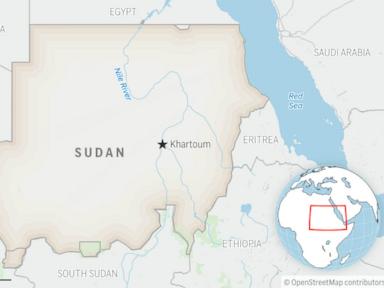
Twenty-one lives ended abruptly on a Thursday in South Kordofan. Women and children were among the dead. The Sudan Doctors Network confirmed the grim toll following an assault by the Sudan People's Liberation Movement-North, or SPLM-N, targeting the towns of Debi and Luweri in Kauda.
If you're trying to make sense of why regional fighting in southern Sudan keeps escalating despite nominal peace gestures, you have to look past the national headlines. This isn't just local friction. It's a dangerous convergence of local land grievances, rebel ambitions, and a devastating national war that has already claimed tens of thousands of lives.
What Triggered the Latest Violence
The bloodshed didn't happen in a vacuum. Rebel leader Abdel Aziz al-Hilu leads the faction of the SPLM-N involved in the recent assault. His forces targeted the Otoro tribe, a minority group inhabiting the rugged Nuba Mountains.
The numbers tell a grim story of escalating hostility:
- At least 21 people were killed in the attacks on Debi and Luweri.
- Hundreds of civilians were displaced across 10 Otoro villages targeted between August 20 and 26.
- At least 158 people have died since March in clashes driven largely by land disputes in the area.
Armed Conflict Location & Event Data records show that al-Hilu's fighters moved aggressively against these communities. The timing matters. These raids punched straight through a ceasefire initiative backed by the Rapid Support Forces, the paramilitary group locked in a brutal civil war with the Sudanese military since 2023. Al-Hilu's alignment with the RSF links these hyper-local ethnic clashes directly into the larger national catastrophe.
The Broader Context of Sudan's Conflict
You can't separate South Kordofan's local disputes from the war tearing Sudan apart at the seams. Since 2023, the national conflict has killed at least 59,000 people and forced roughly 13 million from their homes. Parts of the country face man-made famine.
Al-Hilu chose not to commit to the recent ceasefire agreement, pushing ahead instead. The Sudan Doctors Network didn't mince words, calling the offensive a blatant violation of agreements and an intentional campaign targeting civilians on ethnic lines. When rebel factions tie themselves to major power players like the RSF, local disputes over grazing rights and ancestral land transform into wider proxy battlegrounds.
Where the Region Goes From Here
Analyst Ali Mahmoud Ali points out a terrifying trajectory. These clashes risk dragging additional Nuba clans into an expanding web of violence. South Kordofan's communities are already stretched to their absolute breaking point, dealing with profound humanitarian shortages, shattered infrastructure, and collapsing medical access.
When local groups pick sides in a national civil war, reconciliation becomes nearly impossible. The immediate fallout means more displaced families, rising civilian casualties, and deepening ethnic fractures that will take generations to heal. Watch how local clan leadership responds to these recent killings. That reaction will dictate whether South Kordofan slips into an even deeper cycle of vengeance.