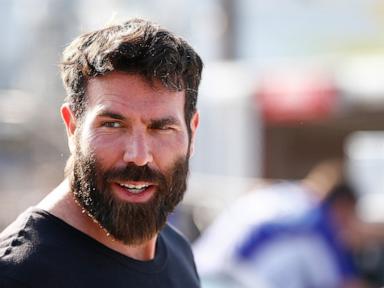
When a social media influencer with a penchant for high-stakes poker and wild parties decides to run for Congress, you expect a certain level of absurdity. But what’s happening in Florida’s 6th District in 2026 isn't just absurd. It’s a masterclass in how to weaponize hate for clicks.
Dan Bilzerian isn't just another fringe candidate. He has turned his bid for the U.S. House of Representatives into a 24/7 campaign of antisemitism. While most political campaigns focus on taxes, infrastructure, or healthcare, Bilzerian’s platform seems entirely built on one thing: targeting Jewish people and the state of Israel with rhetoric that most sane observers thought was relegated to the darkest corners of the internet.
The numbers behind the hate
This isn't just about a few "bad tweets." A recent analysis by the Combat Antisemitism Movement (CAM) found that a staggering 33% of the content posted to Bilzerian’s official campaign X account was pure hate speech. We’re talking about 218 posts in a three-month window that hit every major antisemitic trope in the book.
He’s not just posting opinions. He’s pushing Holocaust denial. He’s peddling conspiracy theories about Jewish plots to subvert American sovereignty. He’s even used AI-generated ads to smear his opponent, Congressman Randy Fine. These ads didn't just attack Fine’s policy; they used vile, bigoted slurs.
Most campaigns struggle to reach millions of people. By leaning into this inflammatory style, Bilzerian’s account has generated millions of views and engagement numbers that would make a traditional political consultant faint. It’s a grim reality check: in the age of algorithmic amplification, hate often pays, at least in terms of attention.
Why this matters beyond Florida
You might think, "He’s just one guy in one district, does it really matter?" Yes, it does. When someone with millions of followers treats the democratic process as a vehicle to mainstream bigotry, it shifts the boundaries of what is considered acceptable public discourse.
House Minority Leader Hakeem Jeffries and a long list of Jewish House Democrats have officially condemned his campaign. Even the Republican establishment is finding itself in a tight spot, having to distance itself from a primary challenger who has turned a political race into a platform for his own personal obsession with Jewish supremacy conspiracy theories.
It’s worth looking at the "why." Bilzerian has been vocal about his disdain for Judaism, claiming in interviews that the religion is "terrible" and even joking about "killing Israelis." He frames his rhetoric as being "anti-supremacist" while blatantly promoting white nationalist and antisemitic ideologies. It’s the classic influencer playbook: say something outrageous, claim you’re just "asking questions," and watch the engagement soar while ignoring the real-world harm you’re causing.
The reality of political influence in 2026
If you’ve spent any time tracking how influencers move into politics, you know the script. They have the money—Bilzerian famously loaned his own campaign $1 million—and they have the reach. They don’t need the traditional party infrastructure that once gated the path to the House floor.
But there’s a massive difference between being a "disruptor" and being a purveyor of hate. When you replace a platform of ideas with a platform of resentment, you aren't governing. You’re just monetizing outrage.
Voters in Florida’s 6th District are now tasked with a clear decision on August 18th. They aren't just choosing between two candidates; they’re deciding whether they want to signal that this kind of rhetoric has a place in their local government.
Next steps for informed voters
If you’re concerned about how this affects the political climate, here is what you can actually do:
- Verify the source. When you see these "viral" political ads, especially those created with AI, look for the source. Most of them are designed to trigger an emotional response, not to inform you.
- Support local journalism. It’s the local outlets that actually dig into the financial records and campaign filings of these candidates. They’re the ones keeping tabs on where that $1 million in self-funding is going.
- Show up for the primary. If you live in the district, the primary is where the real work happens. Ignoring these races is how candidates with extreme views end up on the general election ballot in the first place.
This campaign is a warning. If we don't push back against the gamification of hate in politics, we’re going to see a lot more of it. It’s time to stop giving the "algorithmically outrageous" the benefit of the doubt.
Florida primary candidate profile
This video provides a look at the confrontational style and rhetoric that has characterized Bilzerian's approach to media and politics.
http://googleusercontent.com/youtube_content/1