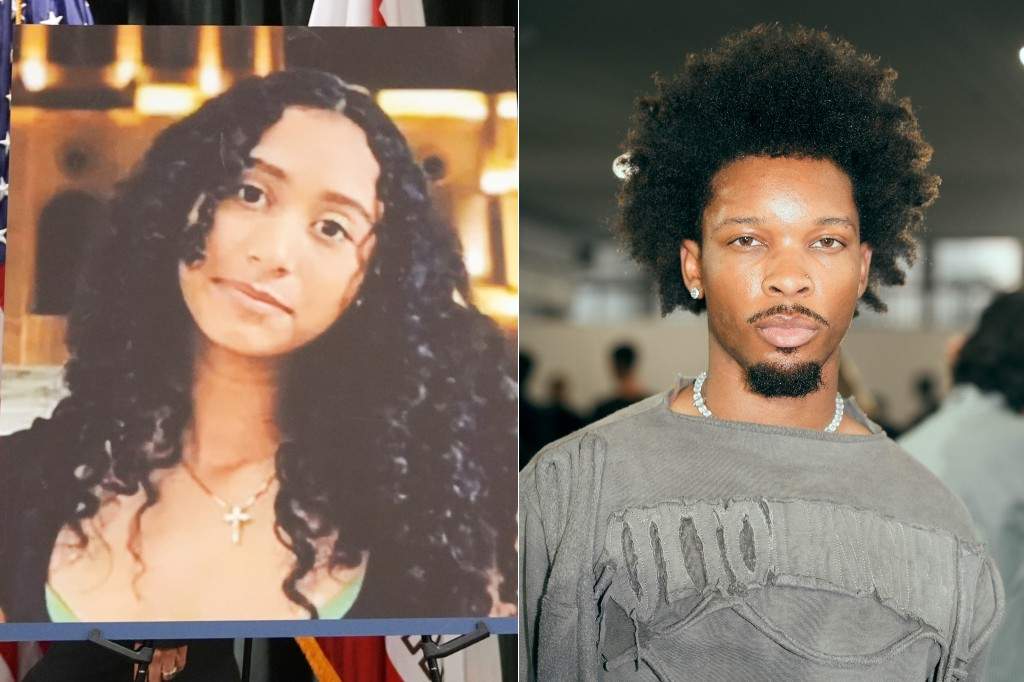
Legal battles rarely unfold in a vacuum, but the civil suit filed against singer D4vd hits differently. Mercedes Martinez and Jesus Rivas are taking legal action against the musician, whose real name is David Burke, following the tragic death of their 14-year-old daughter, Celeste Rivas Hernandez. Her decomposed body was discovered in the trunk of a Tesla registered to the artist in April 2025.
If you've been tracking this grim story from the initial police reports to the recent courtroom shifts, you know the criminal charges carry immense weight. Now, the civil filing brought by the victim's parents introduces explosive new claims that broaden the scope of accountability far beyond a standard criminal indictment.
What the Wrongful Death Lawsuit Actually Alleges
The civil complaint, filed in Los Angeles County Superior Court and detailed by major outlets like the Los Angeles Times, Rolling Stone, and the New York Times, goes well past the baseline murder charges. The parents are suing not just Burke, but also his mother and his management team, citing severe negligence.
The allegations paint a dark picture of manipulation and grooming. According to the court documents, Burke allegedly began abusing Celeste in November 2023 when she was just 13 years old. The lawsuit claims the singer used a concealed cellular phone, false identities, and paid travel to maintain secret contact and exercise undue control over a minor.
Beyond wrongful death, the civil suit brings multiple counts against Burke:
- Battery and sexual battery
- Childhood sexual assault
- Assault and false imprisonment
- Human trafficking
- Intentional infliction of emotional distress
The human trafficking allegation specifically highlights how the suit frames the relationship, accusing Burke of using money, food, designer gifts, shelter, a ring, and promises of marriage to persuade the teenager.
The Connection to the Criminal Proceedings
This civil action arrives on the heels of major developments in the criminal case. In July, a multi-day hearing laid out gruesome evidence that led a judge to order Burke to stand trial. Los Angeles District Attorney Nathan Hochman publicly stated that Burke is eligible for the death penalty, though a final decision on whether prosecutors will formally seek capital punishment remains pending.
The evidence presented by prosecutors aligns closely with the civil claims—alleging that Burke arranged for Celeste to be transported to his Hollywood Hills home in April 2025, where he allegedly murdered her, then dismembered her body to dispose of the corpse.
Burke, now 21, pleaded not guilty to charges including murder, continuous sexual abuse of a child under 14, and unlawful mutilation of human remains. He is currently being held without bond.
Legal Representation Upheaval
Things inside the courtroom have grown increasingly turbulent for the defense. Last month, Burke lost his high-profile private legal team—consisting of lawyers Blair Berk, Marilyn Bednarski, and Regina Peter.
The judge granted their request to withdraw after determining that Burke qualified for a court-appointed lawyer. He is now represented by an attorney from the Los Angeles County Public Defender's Office, marking a massive shift in his legal strategy as he faces both a potential death penalty trial and a sweeping civil jury trial.
What Happens Next in the Pursuit of Accountability
For Martinez and Rivas, this lawsuit is about more than financial damages. By naming management and family members alongside the singer, the civil filing forces a hard look at the ecosystem surrounding young artists and the adults who may enable or ignore predatory behavior.
As the case moves toward trial, the legal pressure on Burke intensifies on every front. The convergence of a potential capital murder trial and a multi-million-dollar wrongful death suit ensures this case will remain a focal point of legal and public scrutiny for a long time.