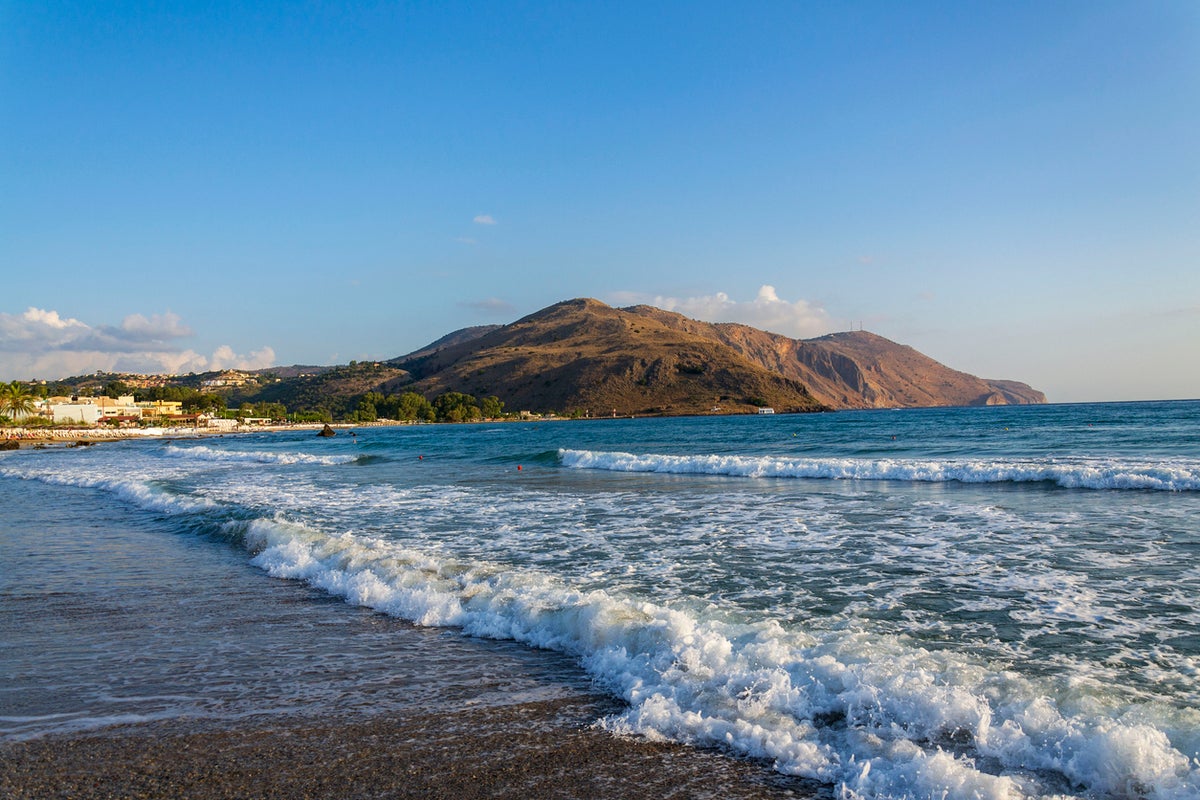
A moderate 5.8-magnitude earthquake struck off the southwest coast of Crete on Saturday. If you have a flight booked to Greece or you're currently sitting at a beachfront taverna in Rethymno, your first instinct might be to worry.
Don't panic. You might also find this similar article useful: Why The Nathu La Route Is Still The Ultimate Test For Kailash Mansarovar Pilgrims.
The European-Mediterranean Seismological Centre (EMSC) pinned the epicenter roughly 69 kilometers south-southwest of Rethymno. It hit at a relatively shallow depth of 13 kilometers out in the Mediterranean Sea. Despite the numbers flashing across breaking news feeds, local authorities quickly confirmed there are no immediate reports of structural damage or injuries on the island. Local police patrols came up completely clear.
http://googleusercontent.com/lmdx_content/jeKuDNJRaKTwTDIUlaqtnlXoDHTwnSFOGMFfEhcmCnZULSPdWFNUDxsxNmFfZJplUTmTdqhlgVsBWousOlNvYEBHvhQBNwlfZTrsyRRmtvKdAJluHrqbyOMtmAsMfnTYUpuvNThQJoWefXuUUxAeGHNmlWdDqAgVbWdtyguqC52676 As reported in detailed coverage by Lonely Planet, the implications are notable.
I get why people get nervous. Crete welcomed over six million travelers last year, and nobody wants their vacation disrupted by a natural disaster. But here is what the clickbait headlines won't tell you about how earthquakes actually work in this part of the Mediterranean.
Why a 5.8 Magnitude Offshore is Not a Disaster
Earthquake magnitude scales are logarithmic. A 5.8 is a moderate event, but its location makes all the difference. Because this tremor struck miles out at sea, the massive volume of water and oceanic crust absorbed the brunt of the kinetic energy before the seismic waves ever rolled into the foundations of Crete's historic coastal towns.
The depth matters too. At 13 kilometers deep, it's considered a shallow crustal quake. If this exact event happened directly beneath an old city with unreinforced brick buildings, we'd be talking about dropped plaster and cracked walls. But out in the sea? It amounts to a sudden, weird rattle that lasted a few seconds, making café glasses clink and confusing the local beach dogs.
Greece happens to sit right where the African tectonic plate is grinding slowly beneath the Eurasian plate. It's the most seismically active zone in Europe. This kind of geological movement is exactly why Crete has those dramatic mountain ranges and stunning gorges that people fly thousands of miles to hike. Small to moderate tremors are simply the price of admission for this kind of landscape.
What Real Travel Safety Looks Like on the Ground
If you're traveling through Greece, you don't need to cancel your reservations. You just need to know the baseline safety protocols that locals live by. Greek building codes are among the strictest in the world. Following major historic events, the country overhauled its architectural rules. Anything built over the last few decades is engineered to sway and absorb energy, not crumble.
If you do feel the ground start to roll while you're on holiday, keep these practical steps in mind.
- Drop, cover, and hold on. If you're inside a hotel room, get under a sturdy desk or table. Stay away from glass windows and heavy wardrobes that could tip over.
- Stay inside until the shaking stops. Most injuries during moderate quakes happen when people panic and try to run out of buildings, getting hit by falling roof tiles or loose masonry outside.
- Move to open space if you're outdoors. If you're walking down a narrow Venetian alleyway in Chania or Rethymno, get out into an open square away from power lines, old balconies, and stone walls.
- Watch out for minor aftershocks. The EMSC and local Greek monitoring stations always track smaller secondary tremors following a 5.8 event. They are completely normal and usually much weaker, but they can rattle loose items.
The Greek authorities are incredibly efficient at handling these situations. Emergency infrastructure is tight, especially during peak tourist season when the population swells. Keep your phone charged, check local news outlets if you feel a rumble, and then get back to enjoying your iced frappe. Crete is open, safe, and completely unaffected.