The Democratic Republic of Congo just escalated its bitter, decades-long feud with Rwanda to the highest court on Earth. Kinshasa officially filed a major case at the International Court of Justice in The Hague. They blame Rwanda for over thirty years of blood, terror, and chaos in eastern Congo.
It is a massive legal gamble. If you look at the headlines, it looks like just another diplomatic spat. It isn't. This is a desperate attempt to break a cycle of violence that has trapped millions of people since the 1990s. The UN regularly calls this mess one of the absolute worst humanitarian crises alive today.
Congo is targeting its neighbor for allegedly breaking global treaties on genocide, torture, and racial discrimination. They want the court to force Rwanda to back off, promise never to return, and pay out massive financial reparations.
The Core Accusations Behind the Paperwork
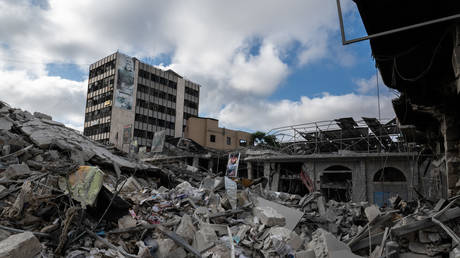
Congo isn't holding back. The official filing alleges that Rwandan forces and their proxies have turned eastern Congo into a permanent war zone. Kinshasa claims that civilians have endured endless massacres, sexual violence, forced displacement, and systemic torture.
The legal team explicitly named the M23 rebel group as Rwanda’s primary weapon. This isn't just Congolese paranoia. UN experts and the US government have repeatedly pointed out that Kigali actively directs and funds M23 fighters. Early last year, the group even managed to seize control of major hubs like Goma.
Rwanda always denies these ties. They claim they only cross the border to fight Hutu rebel groups like the FDLR, who fled Rwanda after the 1994 genocide. But Congo and Washington see right through that excuse. They argue that Rwanda uses the Hutu threat to keep a tight grip on eastern Congo’s massive mineral wealth, specifically gold and coltan. Just a day before this court filing, the US slapped heavy sanctions on a Rwanda-based gold refinery, Gasabo Gold Refinery, accusing it of funding M23 operations.
Why the World Court Might Just Say No
This isn't Congo's first time trying to sue Rwanda at the ICJ. It’s actually their third. And if history tells us anything, the lawyers in Kinshasa have a steep hill to climb.
- The 2001 Attempt: Congo filed a case but abruptly dropped it almost immediately during a messy political transition.
- The 2002-2006 Dismissal: Congo tried again, bringing a massive dossier of human rights abuses. The ICJ threw it out in 2006. Why? Because the court ruled it lacked jurisdiction.
The jurisdiction issue is everything here. The ICJ only judges cases where both countries agree to let the court step in. Back then, Rwanda either hadn't signed the specific treaties or had entered legal "reservations" that shielded them from being sued over them. Congo thinks it found a new legal loophole this time by focusing heavily on specific treaties regarding torture, discrimination against women, and genocide prevention. We don't know yet if the judges will agree. The ICJ confirmed it received the paperwork, but it hasn't ruled on whether it actually has the right to hear the case.
What This Means for Real Peace Talks
Right now, US- and Qatar-mediated peace talks are sputtering out. They aren't working. By going to the ICJ, Congo is signaling that it has lost all faith in backroom political deals. They want a binding legal ruling.
But don't expect things to change overnight. ICJ cases take years to resolve. Even if Congo wins, the court has a major flaw: it doesn't have an army to enforce its rulings. If Rwanda chooses to ignore a final judgment, Congo's only real recourse would be going to the UN Security Council, where global politics usually stall actual enforcement.
Keep a close eye on the ICJ docket over the coming months. If the judges accept jurisdiction, it will trigger a massive legal battle that will force Rwanda to publicly defend its regional security strategy on the global stage. If the court kicks it out again, Kinshasa will lose a massive diplomatic lever, leaving them with few options outside of direct military confrontation.