Washington and Beijing are back at it. If you thought the trade tension cooled down, think again. China's Ministry of Commerce just dropped a sharp package of countermeasures against the United States, targeting drone supply chains and slapping sanctions on multiple American entities.
The immediate trigger? Washington added more than 40 Chinese companies to its Uyghur Forced Labor Prevention Act entity list, while the Federal Communications Commission moved to restrict imported foreign-made robotic devices and power converters. Beijing didn't wait around. Instead of empty diplomatic complaints, they responded with real trade restrictions that hit specific American pressure points.
The Drone Control Squeeze
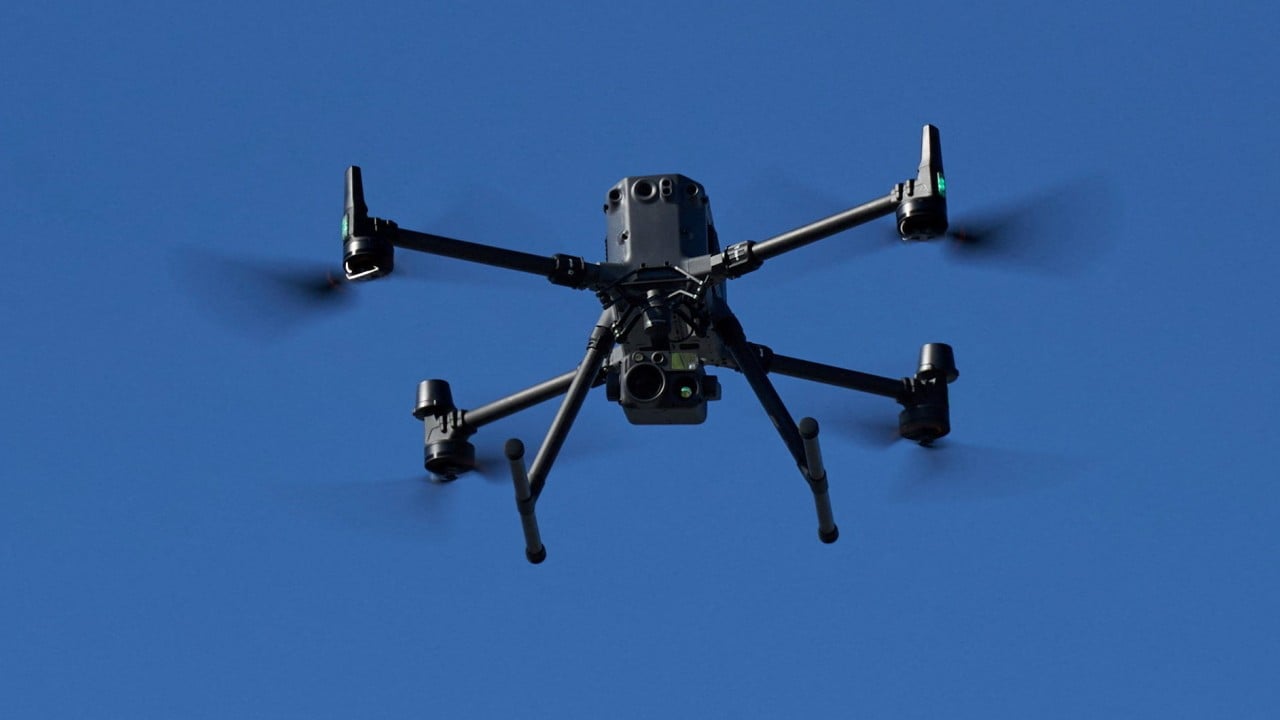
Drones aren't just toys. They are critical tech components used across commercial, industrial, and defense sectors globally. China dominates this manufacturing space. Under the new rules, exports of drones, key components, and related technologies bound for the United States lose fast-track status.
Instead, they face strict, individual case-by-case licensing reviews.
[US Trade Restrictions on Chinese Tech]
       ---> Triggers
[China's Dual-Use Drone Scrutiny & Entity Blacklists]
This means shipments won't necessarily stop overnight. However, bureaucratic bottlenecks will slow deliveries down significantly. Beijing framed these controls as a necessary step to safeguard national security and honor international non-proliferation commitments, pointing directly back at American overreach.
Who Got Hit on the Blacklist
China didn't just target hardware. They added seven US entities to their countermeasure list.
Six of these firms—including Applied DNA Sciences, Stratum Reservoir, Altana Technologies, the Responsible Business Alliance, Verite Group, and Human Rights in China—faced penalties for supporting or assisting American sanctions related to Xinjiang. A seventh company, Compliance Testing LLC, was targeted for aiding Federal Communications Commission restrictions that Beijing claims damage its sovereignty.
Organizations and individuals inside China are now entirely prohibited from conducting transactions or business cooperation with these designated entities.
Furthermore, Beijing suspended US bodies from carrying out follow-up factory inspections under China's mandatory product certification system. They also launched a national security investigation into imported office printing and copying equipment. That marks the first foreign trade security probe under their revised legal framework, targeting foreign system software running inside office hardware.
What This Means for Global Supply Chains
Tit-for-tat trade policies create real friction for businesses trying to plan long-term logistics. When Washington restricts Chinese AI, robotics, and solar inputs, Beijing responds by tightening dual-use controls and squeezing corporate compliance networks.
You cannot decouple major global economies overnight without major shockwaves. Supply chain managers are stuck navigating a shifting landscape where every new tariff or blacklisting creates unpredictable compliance risks.
Stop treating these headlines as distant political theater. If your business relies on cross-border tech hardware, dual-use components, or compliance validation services, these escalating trade controls affect your operational costs and delivery timelines right now. Review your supplier dependencies, diversify your sourcing alternatives, and prepare for tighter export licensing delays across the board.