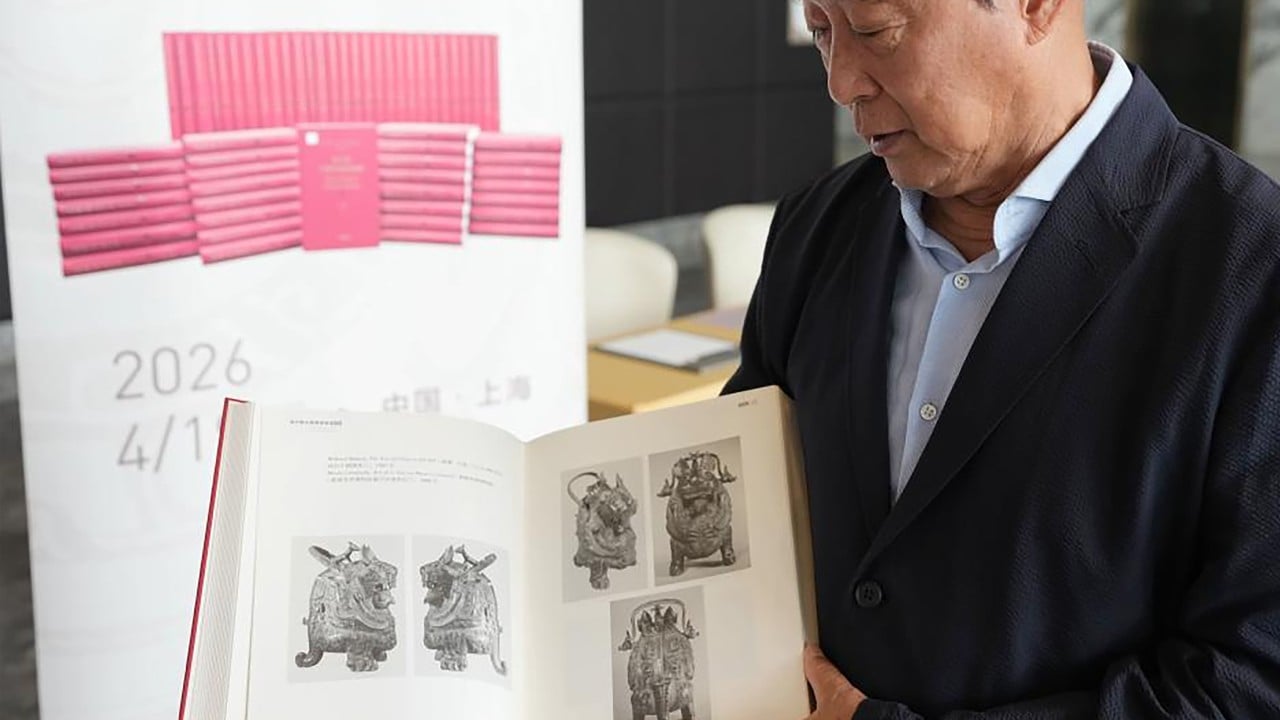
Scholars at Peking University just finished an archival feat that changes how the world looks at displaced ancient artifacts. Over fourteen grueling years, a dedicated research team cataloged more than 23,000 ancient Chinese bronzes scattered across thirty different countries. The result is a massive, sixty-volume compendium titled The Collection of Chinese Bronzes in Overseas Collections.
For decades, official estimates drastically understated how many ritual vessels, weapons, and ritual bells left China during centuries of turmoil, war, and illegal smuggling. This new archive reveals a number seven times higher than previous baseline guesses. Led by historian Zhu Fenghan, researchers visited over 260 international institutions, pored through ancient auction records, and photographed objects hidden away in foreign private vaults.
Tracking down lost heritage isn't merely an academic exercise. It is a strategic shift in global diplomacy. When nations want to claim back looted treasures from Western museums, paperwork matters. You can't demand the return of a stolen ritual tripod if you don't even know it exists, let alone where it sits.
Building a registry of this scale forces global institutions to confront provenance questions they would rather ignore. Major museums across Europe and North America have long defended their collections by arguing that acquisitions were historical or untraceable. A sixty-volume inventory changes that math overnight. It gives cultural authorities an ironclad evidence trail.
The logistical hurdles of the project were immense. Researchers faced closed archives, uncooperative curators, and the sheer physical degradation of records written centuries ago. Yet, by documenting inscriptions, casting styles, and exact dimensions, the team created an unassailable database. Every single volume acts as a permanent historical anchor, proving where these artifacts were forged and how they vanished.
If you are following the shifting dynamics of international cultural heritage, keep an eye on how Beijing uses this new baseline data. Repatriation negotiations are no longer based on emotional appeals or vague historical grievances. They now run on precise catalogs, verified serial numbers, and hard archival proof. The conversation around lost antiquities has permanently shifted from polite requests to documented facts.