The glowing eye of the webcam isn't just watching you; it's waiting for you to blink in a way that doesn't fit a mathematical model of human focus. We've been told for years that the rise of remote proctoring created a digital arms race, a high-stakes game of cat and mouse where students stay one step ahead of the software. Educators panic over forum threads and TikTok videos claiming to reveal How To Cheat With Respondus, while companies double down on AI "eye-tracking" and environment scans. But here’s the cold truth that nobody in the administration building wants to admit: the software isn't actually designed to catch a sophisticated bad actor. It’s a psychological fence, a digital scarecrow that works on the principle of perceived omnipresence rather than actual technical invulnerability. The obsession with bypassing these systems misses the point entirely because the real failure isn't the student's ingenuity; it’s the pedagogical bankruptcy of a system that treats a memory dump as a measure of intelligence.
The Psychological Theater of How To Cheat With Respondus
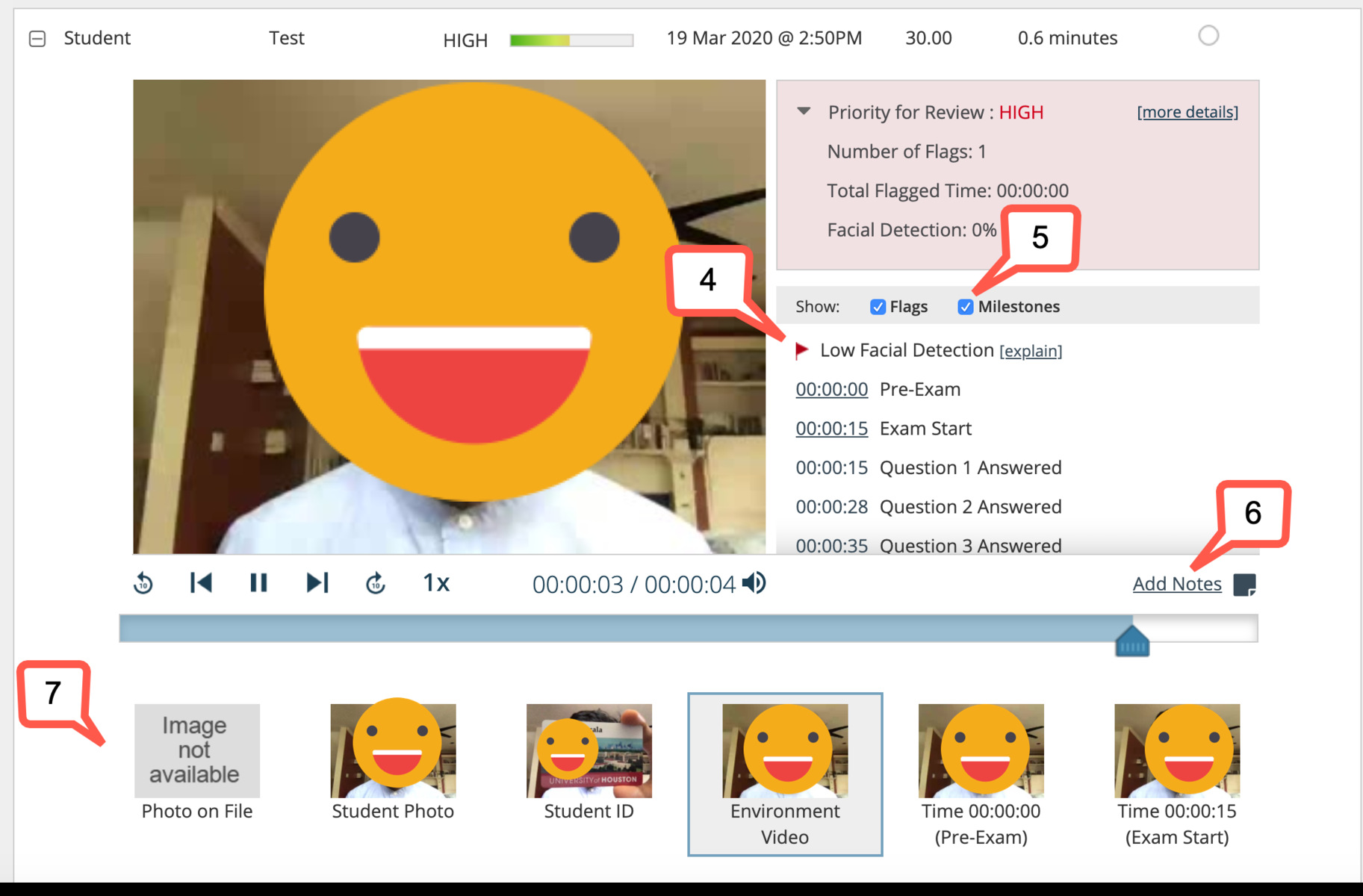
Most people view proctoring software as a high-tech prison guard, but it’s more like a TSA checkpoint—largely performative and designed to create a friction point that deters the casual offender. When you search for How To Cheat With Respondus, you’ll find a graveyard of patched exploits and urban legends involving external monitors or virtual machines. These technical workarounds represent a fundamental misunderstanding of the power dynamic at play. I’ve spent years looking at how these algorithms function, and they don't operate on certainty; they operate on "flags." A flag isn't a conviction. It’s a timestamp. The software notes when your head moves ten degrees to the left or when a background noise hits a specific decibel level. It doesn't know you’re looking at a hidden phone; it only knows you’re not looking at the screen.
The industry relies on this ambiguity. If a student believe the AI is an all-seeing god, they won't even try to bend the rules. This is what sociologists call the Panopticon effect. You don't need a guard in the tower if every prisoner assumes they're being watched at every moment. The software companies sell this "integrity" to universities, and universities sell it to employers, creating a chain of trust built on a foundation of algorithmic guesswork. The irony is that the more "secure" the software claims to be, the more it pushes students toward increasingly desperate and creative physical workarounds that no software can ever hope to detect. We’re not securing knowledge; we’re just turning bedrooms into interrogation rooms.
The Vulnerability of the Human Element
If you talk to the IT professionals who actually manage these systems on campus, they’ll tell you the same thing: the software is only as good as the person reviewing the footage. This is where the narrative of the "unbeatable" AI falls apart. A single professor might have three hundred students taking a final exam simultaneously. Each exam generates an average of fifteen flags. That’s four thousand, five hundred snippets of video that a human must manually review to determine if a rule was actually broken. Most faculty members don't have the time, the inclination, or the training to distinguish between a student reaching for a water bottle and a student reaching for a cheat sheet.
The software creates a massive data dump that creates the illusion of oversight. I’ve seen cases where students were flagged for "suspicious eye movement" because they were blind in one eye or had a nervous tic. Conversely, truly clever students find ways to exploit the human reviewer’s fatigue rather than the software’s code. They know that a blurred background or a poorly lit room makes the reviewer’s job nearly impossible, leading to a "benefit of the doubt" dismissal of flags. The system’s greatest weakness isn't a line of code or a bypass script; it’s the sheer volume of mundane human data that buries the actual infractions. We've automated the accusation process but left the judgment process in the hands of overworked academics who just want to finish their grading and go home.
The Cost of a False Sense of Security
We have to look at what this obsession with security actually costs the educational experience. When a university implements a lockdown browser, they’re making a trade. They’re trading student privacy and mental well-being for a data point that says "this person probably didn't use Google." But they aren't checking if that person actually learned the material. The technical arms race has created a secondary market of "bypass hardware"—physical devices that sit between the mouse and the computer or hardware-level video splitters that the software cannot see because they exist outside the operating system.
Critics will argue that without these tools, degrees become worthless and academic standards would vanish overnight. They say we need a digital deterrent to maintain the value of the credential. But that argument assumes that the current method of testing—rote memorization under pressure—is a valid way to measure competence in the first place. If a test can be beaten by a hidden smartphone or a second monitor, the test wasn't assessing deep understanding; it was assessing the ability to retrieve facts. In the professional world, we have access to all the facts all the time. We pay people for their ability to synthesize, analyze, and apply those facts. By focusing so heavily on the technical aspects of How To Cheat With Respondus, we’ve successfully secured a testing model that is increasingly irrelevant to the modern workforce.
The Algorithmic Bias and the Equity Gap
One of the most disturbing direct observations I’ve made in this field is how these "security" measures disproportionately target students who don't fit a specific demographic profile. Proctored exams require a stable, high-speed internet connection, a private, well-lit room, and a modern computer with a functional webcam. For a student living in a crowded apartment or someone who relies on a shaky mobile hotspot, the software becomes an active antagonist. The AI often struggles to recognize darker skin tones in low light, leading to a higher frequency of "user not found" flags.
This isn't just a technical glitch; it’s a systemic barrier. A wealthy student in a quiet home office has a "clean" exam session. A low-income student taking an exam at a kitchen table while siblings run in the background is flagged repeatedly, subjected to invasive environment scans, and potentially accused of academic dishonesty simply because their life is loud. When we prioritize the "integrity" of the software over the equity of the testing environment, we’re essentially grading students on their socioeconomic status. The software doesn't just watch for cheating; it watches for poverty, and it punishes it with administrative suspicion. We’re using 21st-century surveillance to enforce 19th-century educational silos.
Moving Beyond the Digital Shield
The path forward isn't better proctoring; it’s better assessment. The most prestigious programs in the world often don't use lockdown browsers. Instead, they use "open-book" exams that are so difficult and application-heavy that a search engine is useless. They use project-based learning, oral examinations, and peer-reviewed portfolios. These methods are harder to grade and impossible to automate, which is why they aren't the standard for massive undergraduate courses. But they are the only real solution to the problem of academic integrity.
When you remove the incentive to memorize, you remove the incentive to bypass the system. If the exam requires you to solve a unique problem using the tools available to you—just like you’ll do in your career—the webcam becomes irrelevant. We’re currently trapped in a cycle where we spend millions of dollars on software to protect a broken way of teaching. We’re trying to build a better cage when we should be changing the terrain. The focus on technical enforcement is a distraction from the fact that we’ve stopped asking students to think and started asking them to perform for an algorithm.
The reality of remote proctoring is that it provides a comfortable lie for institutions. It allows them to scale their operations while pretending that the quality of the degree remains unchanged. But as long as we define "integrity" as the absence of a second browser tab rather than the presence of original thought, we’re just managing a high-tech masquerade. The student who finds a way around the software isn't the one breaking education; the education was already broken the moment we decided a webcam could tell us who was smart.
True academic integrity isn't found in a locked-down operating system or a monitored eye-flicker; it’s found in a curriculum that is too meaningful to be cheated.100%