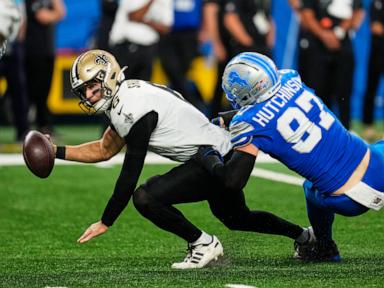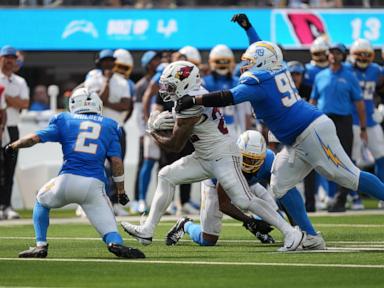
Starting a new chapter in the NFL is never clean. When defensive coordinator Chris O'Leary stepped up to run the Los Angeles Chargers' defense following Jesse Minter's departure to Baltimore, the franchise expected an adjustment period. What happened instead during the 26-14 opening loss to the Arizona Cardinals felt less like a minor bump and more like a total identity crisis.
If you watched that opener, you saw a defense completely on its heels. Let's look at what went wrong, why the system stalled, and what needs to change immediately before the schedule turns brutal. For a closer look into this area, we suggest: this related article.
The Problem With the Pass Rush
Everyone talks about the secondary when a defense gets carved up. That is usually a lazy evaluation. Against Arizona, the real failure happened right at the line of scrimmage.
Journeyman quarterback Jacoby Brissett picked apart the Chargers with an average depth of target of 8.2 yards. When an offense gets the ball out that fast, traditional pass rushing does not work. Edge rushers never stood a chance. For additional context on this topic, comprehensive coverage is available at NBC Sports.
O'Leary tried to stick with a 4-2-5 scheme utilizing three safeties to keep things fast and aggressive, mirroring what worked previously. Yet, without creative pressures or route disruption up front, the defense allowed five consecutive drives to end in a score or field goal attempt before finally forcing a punt in the third quarter.
Linebackers Daiyan Henley and Troy Dye combined for the team's only sack, which came on a rare blitz. Beyond that, the front failed to generate takeaways or alter Brissett's comfort zone.
Where the System Broke Down
O'Leary has a strong background, having coached safeties in Los Angeles before spending a season at Western Michigan. Familiarity with the roster was supposed to make this a smooth transition. Instead, first-time head coach Mike LaFleur dialed up an offensive plan that kept the Chargers chasing shadows.
The run defense did not offer much relief either. Surrendering chunks on the ground while managing just one tackle for loss across 34 opponent carries means the unit lost the physical battle entirely.
Jim Harbaugh built this team to impose its will. When the defense cannot get off the field, it forces the entire game plan out of whack. The offense, trying to adjust under new coordinator Mike McDaniel, got pulled away from its trademark ground game because they were playing from behind.
Silver Linings and Urgent Fixes
It is not all doom and gloom in El Segundo, but the margin for error is shrinking fast.
The defense did show some grit in the red zone. They forced Arizona to settle for three field goals out of five red-zone visits, preventing a bad afternoon from turning into a historic blowout. That bend-but-don't-break mentality saved them temporarily, but you cannot rely on opponents missing red-zone execution every week.
What Needs to Happen Next
- Get interior pressure active: Pieces like Jamaree Caldwell, Teair Tart, and Justin Eboigbe need to step up. O'Leary has to scheme better interior push to collapse pockets before quick passes develop.
- Clean up coverage disguises: The initial attempts at confusing the quarterback resulted in more miscommunications than missed assignments for the opponent. Simplifying assignments could let athletes play faster.
- Handle the division schedule: The Chargers host the Las Vegas Raiders next, followed by tough road matchups against Buffalo and Seattle.
If O'Leary doesn't dial in the plan against underneath passing attacks, the AFC West race will slip away before autumn even settles in.