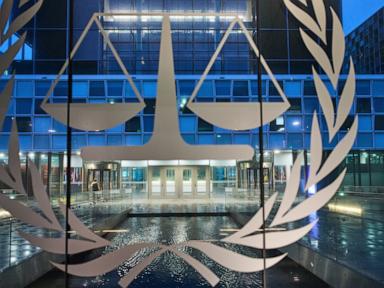
Chad just made it official. The government in N'Djamena submitted a letter to the United Nations to start pulling out of the International Criminal Court, and it's shaking up global geopolitics. If you've been watching international law lately, you know this isn't happening in a vacuum. It's part of a massive wave of pushback against The Hague, and the timing tells a very specific story.
The Chadian government didn't hold back in its official statement. They called the court's track record "limited and uneven" while pointing straight at its selective nature. Right now, out of thirteen investigations launched by the court since 2002, nine deal with African nations. Out of seven people currently in ICC custody, six are tied to African cases. N'Djamena basically looked at those numbers and decided the institution functions more like a tool of foreign pressure than an impartial global referee.
The Pressure Behind the Exit
Let's look at what's really happening behind closed doors. Just days before the announcement, the U.S. Bureau of African Affairs and high-ranking American diplomats pressed nations to reconsider their ICC membership. Washington has ramped up a heavy campaign against the court, calling it a threat to national sovereignty and slapping sanctions on it over investigations involving U.S. allies.
While Chadian officials tried to downplay direct foreign dictation—claiming the choice came from an internal review of their own foreign policy—the timing lines up too cleanly to ignore. The U.S. openly welcomed the move on social media, praising Chad for reclaiming its sovereignty from a "flawed institution."
Chad isn't standing alone here either. They join a growing lineup of nations walking away. Burkina Faso, Mali, and Niger already started their exit processes last year. Venezuela just notified the UN of its own departure, pointing to the exact same geographical bias against the Global South.
What Happens Next
Under Article 127 of the Rome Statute, a withdrawal doesn't happen overnight. It takes a full twelve months after the UN Secretary-General receives formal notification for the exit to become official. That gives diplomats a whole year of wrangling, though nobody expects N'Djamena to reverse course.
The ICC is bleeding credibility fast. Between losing member states in quick succession, facing heavy U.S. sanctions, and dealing with internal leadership drama including the removal of its former chief prosecutor Karim Khan, the court faces an existential crisis.
If you want to understand where international justice is heading, watch domestic courts instead. Chad's leadership argues that accountability should happen closer to home through regional African frameworks rather than a courtroom thousands of miles away in Europe. Expect more countries to test that exact same theory over the next year.