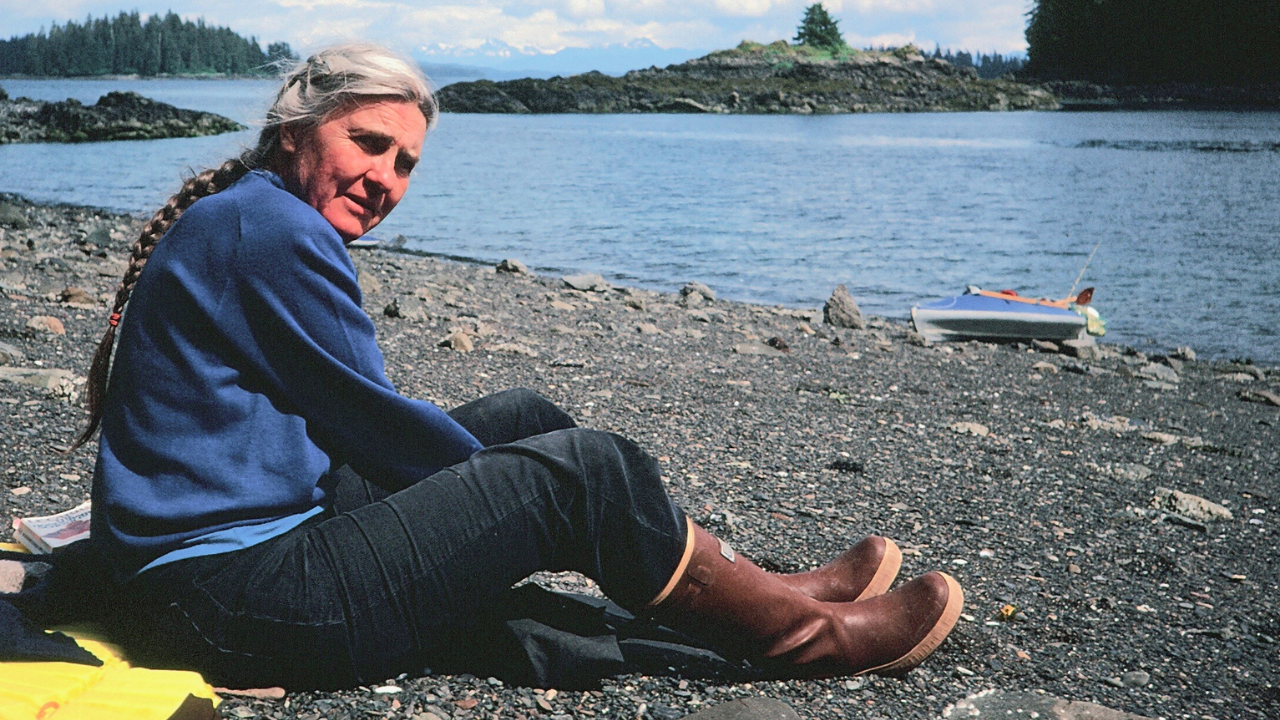
Most people head into the wilderness looking to escape civilization. Celia Hunter went north in 1947 just to see what the fuss was about, landing a war-surplus plane in sub-zero Fairbanks and accidentally sparking a five-decade environmental crusade.
She didn't start out as an activist. When she and her fellow Women Airforce Service Pilot (WASP) friend Ginny Hill Wood agreed to fly two Stinson airplanes from Seattle to Fairbanks, they were simply chasing a thrill. It took them 27 grueling days. Ginny's plane lacked heating and had failing fabric, earning the nickname "Lil' Igloo." By the time they touched down in a blizzard with temperatures scraping fifty below zero, commercial flights were grounded. Most people would have booked a ticket straight back south. Celia and Ginny stayed.
That grit defined everything she did next.
From Bush Pilot to Wilderness Pioneer
Life in post-war Alaska wasn't for the faint of heart. After working odd jobs and flying early tourist routes to remote coastal settlements like Kotzebue and Nome, Celia and Ginny decided to put down roots. In 1951, alongside Ginny's husband, they staked a homestead claim near the edge of what was then Mount McKinley National Park.
They built Camp Denali. It wasn't a luxury resort. It was an early ecotourism experiment designed to let visitors experience the raw majesty of the northern landscape without modern distractions. Living off the grid near Denali gave Celia a front-row seat to the ecological rhythms of the far north.
Flying over bush Alaska in those days revealed something striking. The entire landscape functioned as a seamless whole, completely unmarred by man-made boundaries or industrial scars. But that pristine unity didn't last. As commercial pressures, military projects, and resource extraction crept northward, Celia realized that nobody was going to protect the wild country unless ordinary people forced the issue.
Building the Movement
Celia shifted from observer to strategist. She didn't just complain about industrial overreach; she hit the books. She took economics classes at the University of Alaska so she could dismantle the financial claims of powerful dam boosters—such as the infamous Rampart Dam proposal that would have flooded a three-hundred-mile stretch of the Yukon River.
In 1960, she co-founded the Alaska Conservation Society, the territory's very first grassroots environmental organization. It gave everyday residents a unified voice against reckless development. Her leadership style wasn't loud or aggressive. Friends and colleagues often remembered her laughing in the face of cynical opposition, remaining calm while dismantling terrible policy ideas with pure facts and persistence.
Her advocacy eventually scaled to the national stage. In 1976, she shattered a major barrier by becoming the interim executive director of The Wilderness Society, making her the first woman to head a major national environmental organization. She poured her energy into passing the landmark Alaska National Interest Lands Conservation Act of 1980, which successfully shielded more than one hundred million acres of public land.
Fighting Until the Very End
Celia Hunter never truly retired from defending the wild. She received the Sierra Club's highest honor, the John Muir Award, in 1991, and continued engaging in public policy debates well into her eighties.
On December 1, 2001, at the age of 82, she spent her final evening sitting up late, writing urgent letters to United States politicians to fight off proposed oil drilling in the Arctic National Wildlife Refuge. She passed away quietly in her sleep that night, bringing a definitive close to a 54-year battle for the northern frontier.
If you want to understand true dedication, look past the romanticized stories of early aviation and examine how a single pilot used her life to anchor the preservation of an entire ecosystem. Stop waiting for someone else to fix systemic environmental threats. Pick up a pen, study the facts on the ground, and start protecting what matters in your own backyard today.