Federal health officials just added four more states to a growing parasitic outbreak tied to contaminated produce, bringing the total number of affected states to nine. Illinois, Kansas, Oklahoma, and Pennsylvania now join Indiana, Kentucky, Michigan, Ohio, and West Virginia on the Centers for Disease Control and Prevention list of places reporting laboratory-confirmed cases linked to shredded iceberg lettuce.
If you ate shredded iceberg lettuce recently and started experiencing stomach issues, you aren't alone. More than 1,900 people have fallen ill in this specific cluster, and nearly 100 have landed in the hospital. Across the country, thousands more cases are being evaluated. You might also find this connected story insightful: Why Dr Congo's Latest Ebola Outbreak Is Moving Faster Than History Has Ever Seen.
What Is Causing the Current Spike in Cases
The parasite behind this mess is called Cyclospora cayetanensis. It causes an intestinal infection known as cyclosporiasis. Microscopic in size, it spreads when food or water becomes contaminated with human fecal material.
Unlike bacteria such as Salmonella or E. coli, which can be quickly sequenced and cross-matched in standard national databases, Cyclospora is notoriously tricky to track. Scientists have to extract and amplify its genetic material to run tests. That extra friction slows down supply-chain tracing and leads to delays in public health updates. As discussed in latest coverage by WebMD, the results are significant.
In this outbreak, health agencies traced contaminated shredded iceberg lettuce back to a supplier processing produce in central Mexico. The distributor, Taylor Farms de Mexico, initiated a voluntary recall of affected product lots.
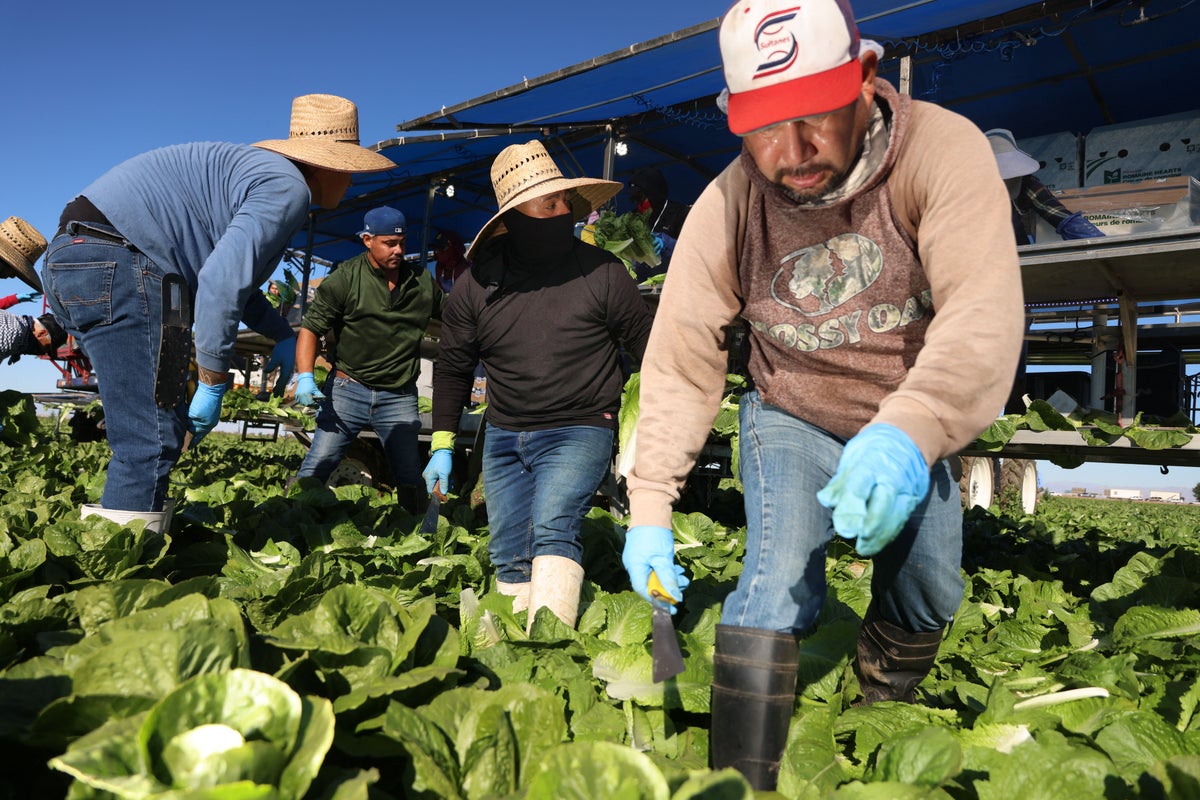
However, tracing contaminated leafy greens isn't easy. A single shipment of infected lettuce can be mixed into larger processing runs or distributed across hundreds of commercial kitchens, grocery stores, and fast-food chains before anyone reports feeling sick.
Symptoms That Signal a Cyclospora Infection
Symptoms don't hit you immediately. It usually takes anywhere from two to 14 days after ingesting contaminated food or water for the parasite to settle into your small intestine.
- Frequent, explosive watery diarrhea
- Severe stomach cramps and bloating
- Loss of appetite and unexplained weight loss
- Nausea and low-grade fever
- Persistent muscle aches and fatigue
The hallmark of a Cyclospora infection is how long it sticks around. Left untreated, symptoms often come in waves—improving for a few days only to return with full force. Bouts of illness can linger for weeks or even months, leading to severe dehydration.
Why Washing Your Produce Isn't Always Enough
Most people assume a thorough wash under the faucet clears off whatever germs are clinging to their leafy greens. Sadly, Cyclospora doesn't wash off easily.
The microscopic oocysts stick firmly to the textured surface of leafy greens, herbs, and soft fruits. Washing might reduce the number of parasites, but it rarely eliminates them entirely. Cooking kills the parasite, but since salad greens are consumed raw, contaminated batches pose an immediate health risk.
Because of this, health officials urge consumers and restaurant workers to throw out any recalled produce rather than attempting to clean it.
How Doctors Diagnose and Treat It
If you suspect you caught Cyclospora, don't expect standard over-the-counter diarrhea medicines to solve the problem. Routine anti-diarrheal products won't clear the parasite from your digestive system.
Diagnosis requires a specific stool test that screens for Cyclospora oocysts. You'll need to ask your doctor explicitly for this test, as standard bacterial panels often skip it.
Once confirmed, the primary treatment is a specific course of antibiotics—typically trimethoprim-sulfamethoxazole (commonly known as Bactrim or Septra). If you have a sulfa allergy, your physician will need to evaluate alternative therapies, though effective options are limited.
Actionable Steps to Protect Yourself Right Now
- Check your kitchen inventory immediately. Toss any shredded iceberg lettuce connected to recalled lots or sourced from affected regional suppliers.
- Monitor your health if you dined out recently. Pay close attention to your digestion if you ate raw produce at fast-food restaurants or salad bars in the impacted states over the past few weeks.
- Contact a medical provider early. Don't wait out weeks of stomach distress hoping it goes away on its own. Mention Cyclospora testing directly to your clinic.
- Hydrate aggressively. Replenish lost fluids with electrolyte solutions if you experience watery diarrhea to prevent hospitalization.