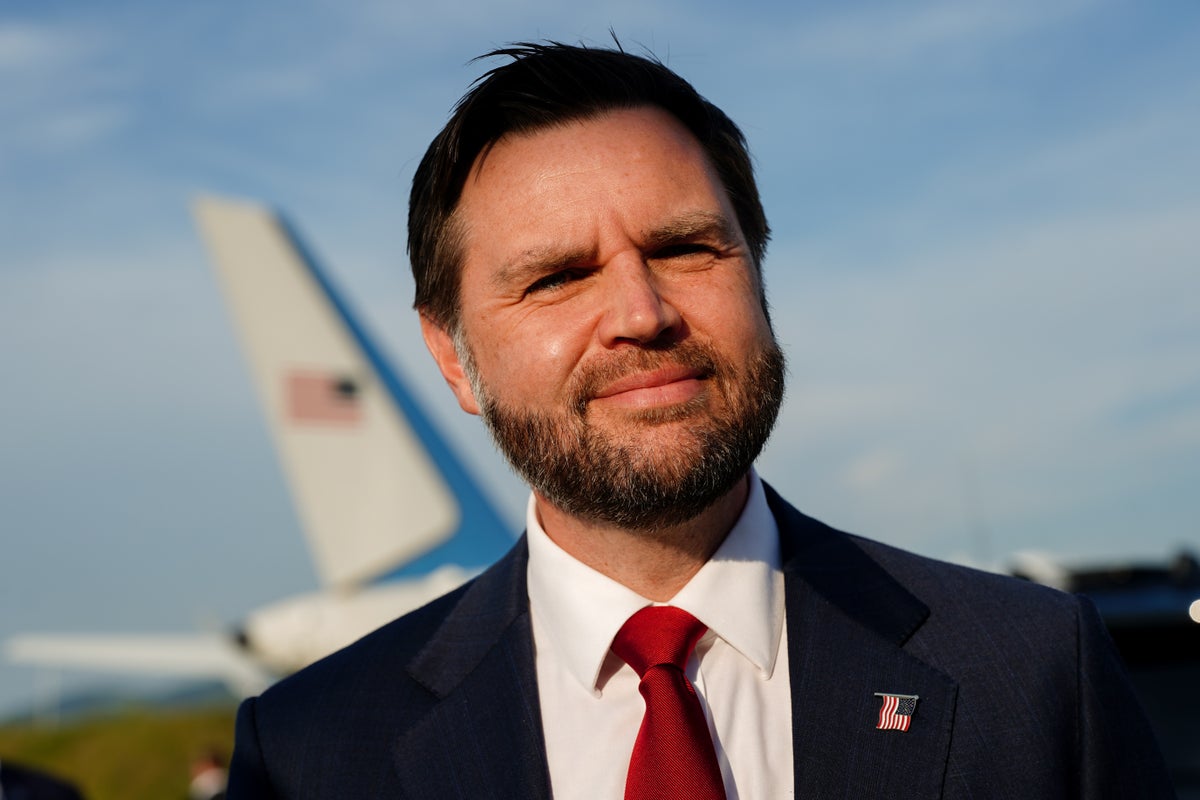
American politics just hit a bizarre crossroads where the White House and the Vatican are openly trading blows. Vice President JD Vance sat down on Fox News for an interview with Laura Ingraham and did something that would have been unthinkable for a Catholic politician a generation ago. He called the Vatican's official stance on immigration troubling. He didn't stutter. He didn't back down. He looked straight into the camera and drew a battle line between the Trump administration and Pope Leo XIV.
This isn't a minor policy disagreement. It's an ideological explosion. Vance is a high-profile convert to Roman Catholicism. Pope Leo is the first American ever to ascend to the papal throne. Both claim to understand the soul of the working class, yet they are reading from completely different scriptures when it comes to the border.
The immediate spark for this public feud comes down to the aggressive deportation drive underway across the United States. Pope Leo has been unsparing in his critique, calling the administration's immigration crackdown extremely disrespectful and labeling the treatment of migrants inhuman. For Vance, hearing this from the Holy See isn't just a critique of American policy. It's a direct shot at his political identity.
Why the White House Is Shaking Off the Vatican
The tension has been building for months. Vance told Ingraham that while he isn't hostile to Catholic leaders, they need to face reality. His exact argument is that mass migration has victims. He wants the church hierarchy to look at the American workers who face depressed wages, overcrowded schools, and strained public resources.
Look at the wording Vance used. He called the Vatican positions troubling. That word wasn't an accident. It was a calculated theological and political pivot designed to signal to conservative Catholics that it's perfectly fine to ignore the Pope on border policy.
Vance is betting that American Catholic voters care more about their local communities than directives from Rome. It's a risky gamble. Historically, breaking with the Pope on human rights issues was a death sentence for a Catholic politician's credibility within the church. Vance doesn't care. He represents a new brand of right-wing populism that views global institutions with deep suspicion, even when that institution is the Vatican.
The First American Pope vs The Postliberal Vice President
To understand why this clash is so intense, you have to look at who these two men are. Pope Leo isn't an elite European intellectual who views America through a textbook. He's from the United States. He knows the political terrain. When he calls for a deep reflection on how migrants are treated under Trump, he knows exactly which buttons he's pushing.
On the other side, Vance converted to Catholicism in 2019. He has frequently cited Catholic social teaching as a foundational pillar of his worldview. But his interpretation is heavily filtered through the postliberal New Right. This movement believes the state should use its power aggressively to protect its citizens and native culture.
Souring Relations Behind Closed Doors
This isn't the first time Vance has locked horns with Rome. Earlier this year, reports surfaced regarding his private writings and memoirs detailing deep frustrations with Vatican officials. Vance accused church diplomats of being slippery and unwilling to have candid discussions about the downsides of migration.
His meetings with high-ranking prelates, including Cardinal Pietro Parolin, reportedly left him convinced that the Vatican is completely disconnected from the realities of working-class Americans. Vance wants a church that focuses on traditional theology and local charity. Instead, he sees a Roman bureaucracy acting like a progressive non-governmental organization.
A Broader Geopolitical Fracture
The border isn't the only wedge driving Washington and Rome apart. The rift is widening across the entire global stage.
Take the ongoing conflict in the Middle East. The Trump administration pushed heavily for its Board of Peace initiative for Gaza. The Vatican flatly declined to participate. Pope Leo has also been a fierce critic of the war with Iran, which exploded on February 28 when joint US and Israeli strikes hit Iranian targets. The Pope chose to praise an interim deal between Washington and Tehran instead of backing the White House line, infuriating administration officials who view the Vatican's diplomacy as naive.
When you add up Gaza, Iran, and the border, you get a systemic breakdown in relations. The White House views the Vatican as actively undermining American security interests. Rome views the White House as an unpredictable machine violating basic tenets of human dignity.
The Calculation for Catholic Voters
Can Vance win this fight? The numbers suggest he might.
The American Catholic electorate is not a monolith. It hasn't been for decades. White, working-class Catholics in rust belt states like Ohio, Pennsylvania, and Michigan have steadily migrated toward the Republican party. These voters are deeply concerned about illegal immigration. They are the ones feeling the economic friction.
When Pope Leo issues statements calling immigration crackdowns inhuman, these voters don't necessarily see a spiritual directive. They see an elite figure lecturing them from a walled city in Europe. Vance knows this audience perfectly. He speaks their language because he grew up in it. By framing mass migration as an issue with domestic victims, he shifts the moral high ground away from the Pope and onto the American family.
The Theological Loophole
Vance is relying on a specific distinction within Catholic theology. While Catholics are required to submit to papal authority on matters of faith and morals, prudential judgments are different. How a nation secures its border is traditionally viewed as a matter of prudential judgment.
Vance is essentially telling his fellow Catholics that the Pope's opinion on American immigration laws carries no more spiritual weight than an opinion on the federal budget. It's a clever defense. It allows conservative Catholics to stay in the pews on Sunday while supporting mass deportations on Monday.
What Happens Next
This public feud isn't going away. If anything, it will escalate as the deportation drive intensifies. Civil rights organizations are already weaponizing the Pope's words to fight the administration's policies in court, alleging widespread racial profiling and due process violations.
For Vance, the path forward is clear. He will keep inviting Catholic bishops to have conversations while holding a firm line on policy. He won't change his stance to please Rome. The Vatican will likely continue its vocal opposition, setting up a prolonged ideological war for the future of American conservatism.
Watch how local bishops react over the coming weeks. If American bishops begin echoing the Pope's harsh language from their pulpits, Vance could face a genuine grassroots headache. If they stay quiet, it means the Vice President has successfully isolated the Pope from his own American flock.