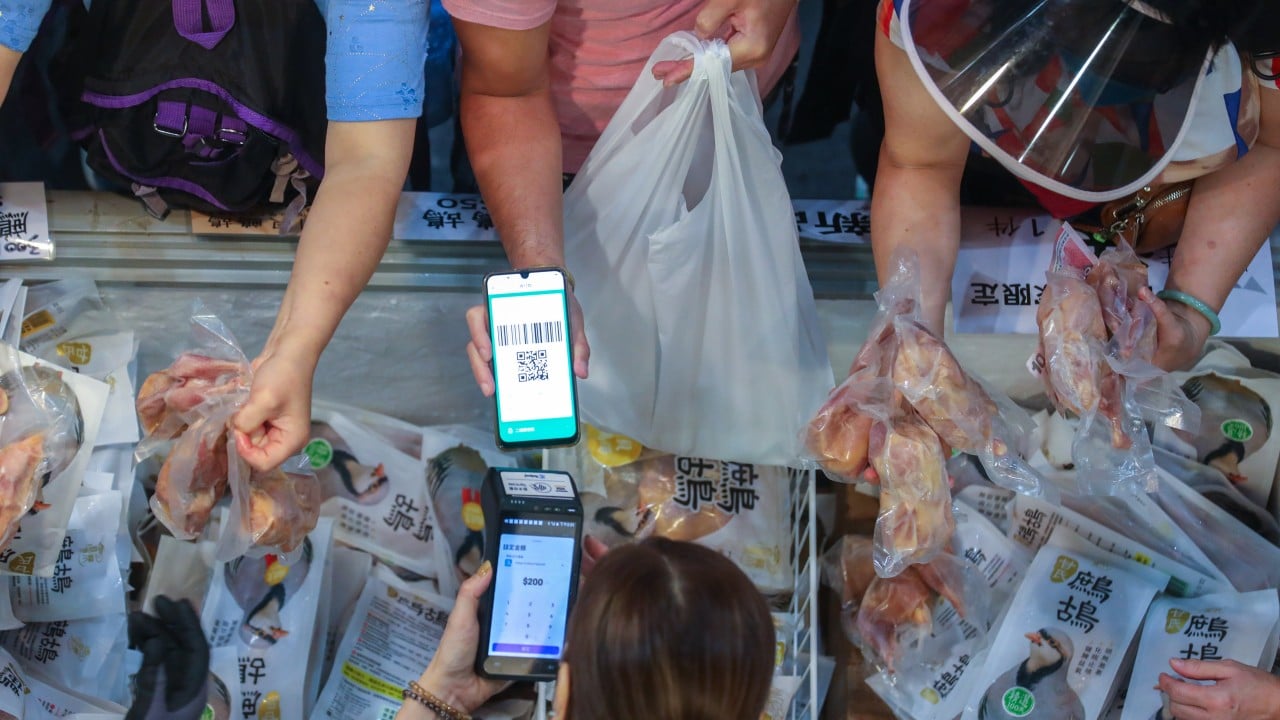
You sit down at a popular restaurant in Tsim Sha Tsui, enjoy a great meal, and pull out a crisp HK$500 note to pay the bill. The server shakes their head, points to a small sign by the register, and tells you they only accept digital wallets or credit cards. You get defensive. You point at the banknote. It says "Legal Tender" right on the front. They must take it by law, right?
Wrong. They absolutely don't have to take your cash.
A widespread myth persists that because a currency is designated as legal tender, any business operating within that jurisdiction must accept it for any transaction. In Hong Kong, this misunderstanding regularly causes shouting matches at restaurant counters and angry rants on social media. The reality of the local legal structure surprises most residents and tourists alike. If a shop wants to reject your cash and demand an e-payment, the law stands firmly on their side.
What Legal Tender Actually Means
The phrase legal tender sounds incredibly authoritative. It evokes images of strict government mandates and unyielding consumer protections. However, the actual legal definition is narrow and dry.
In Hong Kong, the status of physical money is governed by two core pieces of legislation. The Legal Tender Notes Issue Ordinance (Cap. 65) handles paper bills, while the Coinage Ordinance (Cap. 454) regulates coins. Together, these laws state that notes and coins issued under their authority are valid and legal means of payment.
That means if you owe someone an existing debt, offering them legal tender satisfies that debt in the eyes of a court. If they refuse your cash under those specific circumstances, they can't easily turn around and sue you for failing to pay.
Crucially, those ordinances say absolutely nothing about forcing a business to sell you something.
A retail transaction or a restaurant meal isn't a pre-existing debt. It's a commercial contract being negotiated in real-time. When you enter a shop, the business sets the terms of that contract. They choose the price. They choose the operating hours. They also choose the acceptable payment methods.
If a store decides its terms require payment via Octopus card, Alipay, or credit card, that's their choice. You can either agree to those terms or walk out the door. The Hong Kong Monetary Authority (HKMA) has repeatedly clarified this position. The government holds no legal power to compel goods or service providers to accept physical coins or notes. It's a purely commercial decision.
The Coin Limit Rules You Probably Forgot
Even when a merchant does accept cash, you still can't just dump a bucket of coins on the counter and expect them to count it. The Coinage Ordinance builds in explicit limits to prevent people from using tiny coins to settle large amounts out of spite or sheer convenience.
The rules break down cleanly:
- For coins worth HK$1 or more, you can only use them to pay for amounts up to HK$100.
- For coins worth less than HK$1 (your 10-cent, 20-cent, and 50-cent pieces), you can only use them for amounts up to HK$2.
If you try to buy a HK$50 shirt using a mountain of 50-cent coins, the cashier can legally tell you to go away. The law specifically protects them from handling massive quantities of small loose change that slows down business lines and drives up bank deposit fees.
The Famous Burger Joint Backlash
The friction between legal theory and public expectation boiled over publicly during a highly publicized incident at Honbo, a local burger restaurant. A visiting television host from Taiwan tried to pay for her meal with cash. The restaurant staff refused, allegedly telling her they didn't take cash because "it's the 21st century."
The host didn't have local e-wallets set up and her credit cards were stored in a safe back on her cruise ship. She eventually had to ask a random stranger at another table to pay digitally for her while she handed that stranger her physical cash. The ordeal ended up on social media, triggering fierce debates about consumer rights and tourism hospitality.
From a legal standpoint, the restaurant broke no laws. Legally, they were completely clear. From a public relations standpoint, it was a total disaster. The phrase about the 21st century felt condescending to customers who prefer cash or simply don't have immediate digital access. The restaurant eventually apologized for the tone of the interaction, noting that their shift away from cash originally started during pandemic restrictions to minimize physical contact.
This case highlighted the deep divide between what a business can legally do and what it should do to keep customers happy. While the law allows cashless operations, completely locking out cash risks alienating vulnerable groups and international visitors.
How Mainland China Handles the Exact Opposite Rule
The situation gets confusing for travelers because just across the border in Shenzhen, the rules are completely reversed. The People's Bank of China (PBOC) takes an incredibly aggressive stance against merchants who refuse banknotes and coins.
In Mainland China, the digital ecosystem moves fast. WeChat Pay and Alipay dominate daily life to the point where physical cash can feel like a relic. However, the Chinese central government views the refusal of Renminbi (RMB) cash as an attack on the official currency's legal status and an unfair burden on the elderly, rural populations, and foreign tourists.
The PBOC regularly issues heavy financial penalties to companies that refuse cash. Parking lots, insurance firms, and retail shops have faced public shaming and steep fines for turning away physical banknotes. The central bank made it explicit: if you provide face-to-face services in the Mainland, you must support cash.
This stark difference catches people off guard. You can walk through Shenzhen and know the government protects your right to use cash. You can take a short train ride down to Hong Kong and find that private businesses hold all the cards when it comes to payment options.
Why Small Businesses Hate Cash and Love It At the Same Time
For a business owner in Hong Kong, deciding whether to accept cash involves a delicate balancing act. Digital payments offer incredible convenience, but they come with systemic costs.
Consider the arguments for going cashless:
- Cash handling takes time. Counting drawers, keeping change, and making manual bank runs consume labor hours.
- Physical money introduces security risks, including internal theft or counterfeit bills.
- E-payments speed up checkout lines significantly, letting businesses serve more clients during busy lunch rushes.
On the flip side, digital networks aren't free. Credit card networks and electronic payment operators charge processing fees on every single swipe or scan. For a small family-run cha chaan teng operating on razor-thin margins, losing 1.5% to 3% of every transaction to a payment processor cuts deep.
Furthermore, banks in Hong Kong often charge corporate accounts handling fees for depositing large stacks of small coins or thousands of dollar bills. This is exactly why you frequently see small noodle shops or wet market stalls doing the exact opposite of trendy western restaurants: they demand cash only and post signs refusing credit cards or digital wallets. They're avoiding the digital fees, while the modern cafes are paying the digital fees to avoid the hassle of physical cash.
Practical Steps for Settleing Your Bills Without Friction
You don't want to get stuck in an awkward standoff at a cash register. Navigating Hong Kong's mixed payment landscape requires a bit of strategy.
First, never assume a business takes cash, especially if it looks like a boutique, a trendy cafe, or a high-end restaurant chain. Look for signs at the entrance or next to the register before you order. If you don't see any clear indicators, ask the staff directly if they accept cash.
Second, always carry an Octopus card with a healthy balance. It remains the closest thing to an unofficial universal currency in the city. Even places that shun traditional cash or reject foreign credit cards almost always accept an Octopus tap.
Finally, if you find yourself in an establishment that refuses your physical cash and you have no digital alternative, look for manager assistance. Many cashless venues maintain a internal policy where a staff member can use their personal credit card or digital wallet to clear the terminal, and you can reimburse that employee directly with your cash. It keeps the transaction legal, avoids a scene, and gets you out the door without a legal battle.