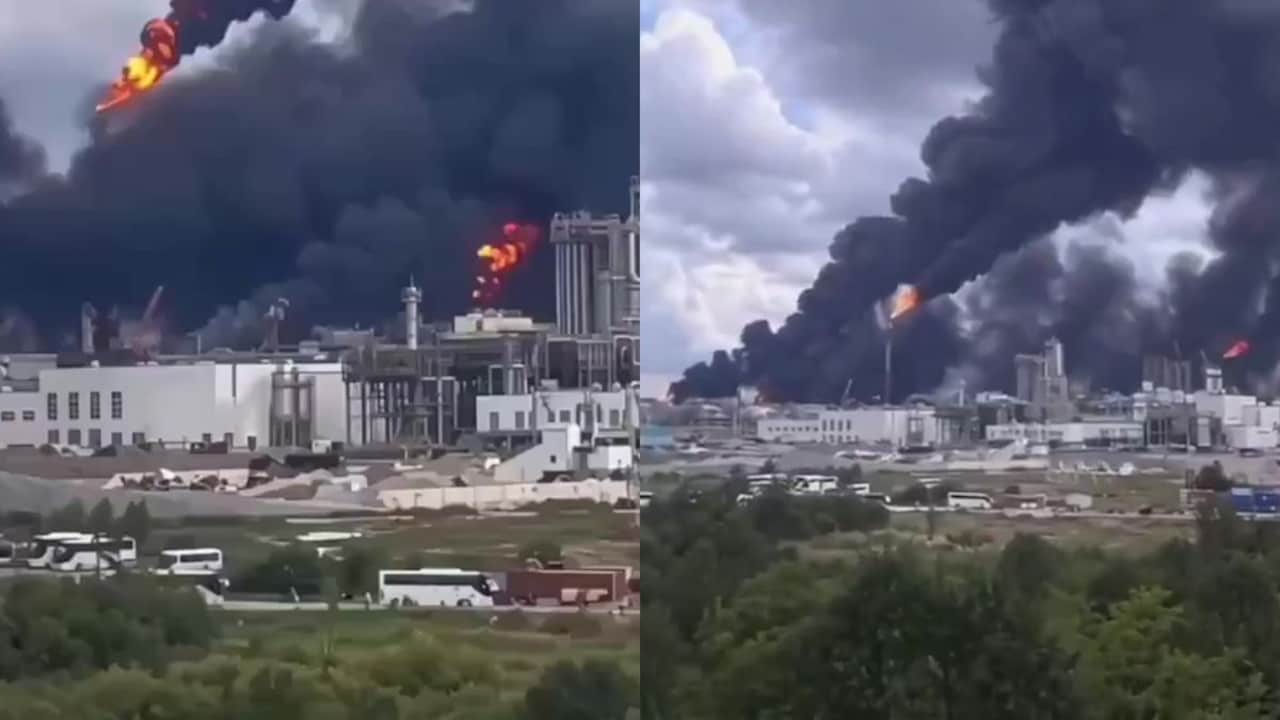
Festivals are supposed to be loud, crowded, and joyful. Right now, northern Ethiopia is dead silent. Public celebrations marking Mawlid, the birth of the Prophet Mohammed, were abruptly called off across the Tigray region. Nobody wanted to gather in the open. Everyone was looking at the sky.
When a community stops celebrating its most sacred traditions out of sheer terror, you know the peace is already dead. Also making waves lately: What Happens When Surrogacy Contract Battles Meet State Abortion Laws.
This cancellation didn't happen in a vacuum. Just days prior, the major regional Ashenda festival was also scrapped at the last minute. Public squares meant for music, prayer, and community were left empty. Why? Because the threat humming above is very real. Recent drone strikes have hit northern Ethiopia, shattering whatever fragile security remained after the devastating two-year civil war officially ended.
The Fracture Beneath the Peace Deal
You might remember the Pretoria agreement signed in late 2022. It was supposed to stop the bloodshed between the Tigray People's Liberation Front (TPLF) and the federal government in Addis Ababa. Hundreds of thousands died during that brutal conflict. People breathed a sigh of relief. They thought the worst was over. Additional information into this topic are detailed by The New York Times.
They were wrong.
Political friction has steadily eaten away at the truce. Things snapped recently when the TPLF decided to remove the interim administration set up under the peace deal, bringing back its pre-war council. Addis Ababa didn't like that. Tigrayan officials are now openly accusing federal armed forces of launching deadly drone attacks on civilian areas.
Honest assessment? Trust is completely gone. When regional authorities have to cancel religious holidays like Mawlid to prevent crowd casualties from aerial attacks, the political project is in deep trouble.
Life Under the Shadow of Drones
Think about what it takes to cancel Mawlid. For Muslims across Africa and the wider world, this holiday is a core expression of faith, community, and charity. Families prepare special meals. Streets fill with songs.
In Tigray, those streets are empty. Recent strikes have hit close to home. Officials reported a strike in Mekelle that injured civilians and damaged residential properties, following earlier lethal strikes near Dandera and the Raya-Alamata district.
When death drops from the clouds without warning, everyday life stops working. Markets empty early. Schools hold breath. People avoid large gatherings, whether it is an Orthodox Christian celebration like Ashenda or an Islamic holiday like Mawlid. Fear doesn't care about your religion. It affects everyone equally in a war zone.
What Happens Next
The international community loves to issue statements. They call for calm. They urge dialogue. But diplomatic hand-wringing doesn't stop military escalation on the ground.
Tigray's regional administration has publicly begged foreign actors to break their silence and step in. So far, the response is underwhelming. Meanwhile, federal forces and regional leadership keep drifting back toward open confrontation.
If you're tracking regional stability in the Horn of Africa, watch the troop movements and rhetoric coming out of Mekelle and Addis Ababa over the next few weeks. The cancellation of cultural and religious gatherings isn't just a local tragedy. It's the early warning system for a wider collapse.