Donald Trump thought he could catch Canada flat-footed.
When the White House slapped a 50 per cent tariff notice on $28 billion worth of Canadian imports—everything from hockey sticks and honey to cement and craft beer—Washington expected Ottawa to collapse into panic. Learn more on a connected subject: this related article.
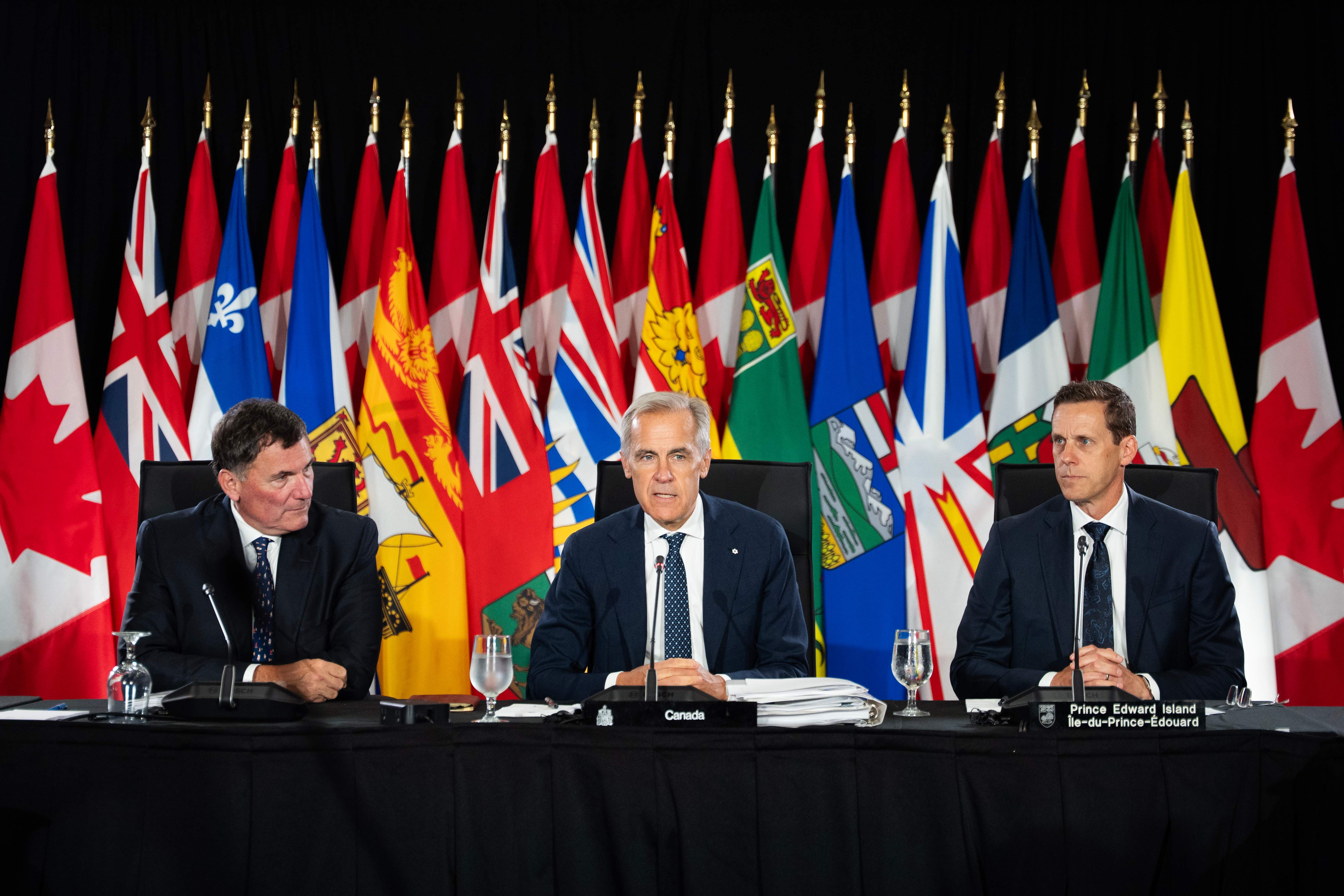
Instead, Prime Minister Mark Carney walked into Charlottetown, Prince Edward Island, looked the country's 13 provincial and territorial leaders in the eye, and delivered a clear message: Canada is ready.
In fact, Canada is in a far stronger position today than it was 18 months ago when this trade conflict first kicked off. Additional reporting by USA Today delves into related perspectives on the subject.
That isn't political posturing. It is economic reality.
The new U.S. tariffs, slated to take effect August 19, sound terrifying in news headlines. A 50 per cent levy is massive. But when you drill into the actual numbers, the White House's latest threat reveals a strategy running low on real leverage.
By leaving Canadian crude oil, natural gas, electricity, critical minerals, and potash off the penalty list, the U.S. administration inadvertently admitted something vital: America cannot survive without Canadian energy and raw materials.
Understanding what this new tariff threat actually means requires cutting through the political rhetoric. It requires looking at why Canada's political leadership—usually hopelessly fractured—is suddenly standing shoulder-to-shoulder.
What the New US Tariffs Actually Cover
To understand where this trade dispute is going, you have to look closely at what Washington is targeting and what it left alone.
The broad headline says a 50 per cent tariff on Canadian goods covered by North American trade arrangements. That sounds like a total economic blockade. It isn't.
Bank of Montreal senior economist Robert Kavcic analyzed the target list. The hit targets roughly $28 billion Canadian ($19.8 billion U.S.) in annual exports. That equals about 5 per cent of Canada’s total goods exported to the American market. In terms of total national economic output, it represents roughly 0.8 per cent of Canada's GDP.
It hurts. Nobody is denying that. Specific industries face a wall of pain come August:
- Chemicals and plastics taking the heaviest direct hit.
- Electronics and industrial equipment seeing sudden cost surges.
- Consumer manufacturing including footwear, sporting goods like hockey sticks, and cement.
- Agricultural products ranging from Canadian honey to specialty food items.
Notice what is conspicuously missing from that list. Energy. Potash. Steel and aluminum inputs tied to defense production. Critical minerals.
The White House knows full well that taxing Canadian energy or fertilizer would instantly spike inflation for American voters at home. So while the 50 per cent tariff figure is designed to dominate news cycles, it hits narrow sectors while protecting core U.S. supply chains from self-inflicted damage.
Why Washington Struck Now
Why is Washington pushing these levies right now? The official executive orders point to three long-standing grievances:
- Provincial bans on selling U.S. alcohol in government-owned liquor stores across eight Canadian provinces.
- Canada's supply-management system protecting domestic dairy farmers.
- Canadian import quotas affecting specific U.S. manufactured vehicles.
President Trump has added unusual side demands, even floating trade penalties over Canadian wildfire smoke blowing across border states like Michigan, New York, and Ohio. He publicly claimed Canada owes the U.S. "damages" for air quality warnings.
Canadian leaders aren't taking that complaint seriously. Ontario Premier Doug Ford fired back, reminding Washington that Canadian firefighters routinely rush south to fight blazes in California and western states without sending a bill. Neighbours help each other during natural disasters. They don't send invoice threats.
The real motivation behind the White House's posturing is simpler: forcing Canada into making unilateral concessions as formal negotiations heat up to renew or replace the U.S.-Mexico-Canada Agreement (CUSMA).
The Historic Unity in Charlottetown
If Washington expected provincial premiers to turn on Ottawa and beg for a quick surrender, the strategy backfired completely.
Meeting in Charlottetown for their annual Council of the Federation gathering, Canada’s 13 provincial and territorial leaders presented a surprisingly united front. The location carried heavy symbolism. In 1864, politicians gathered in Charlottetown to build Confederation under the threat of American economic dominance and military expansion.
Mark Carney seized on that moment. Standing alongside the premiers, he noted that while today's threats look familiar, Canada's economic position is vastly superior to what it was a century ago—or even 18 months ago.
Canadians have spent the last year and a half diversifying trade ties, building internal supply corridors, and removing interprovincial trade barriers. The domestic economy is more resilient.
The premiers aren't just agreeing with Carney's tone; some want to hit back harder.
- Ontario's Doug Ford urged an aggressive posture, arguing Canada must match American penalties dollar-for-dollar. Ford pointed out that treating Trump with endless defense doesn't work when positions change daily.
- British Columbia's David Eby held a firm line on local store shelves, declaring there is "not a chance in hell" U.S. liquor returns to B.C. shelves under pressure. Eby also suggested Canada could restrict U.S. access to critical minerals.
- Prince Edward Island's Rob Lantz pushed for swift, coordinated action to protect Atlantic agriculture and seafood producers.
Not everyone favors aggressive retaliation. Alberta Premier Danielle Smith warned against slapping tariffs on energy exports, arguing that keeping energy channels clear protects western producers. Saskatchewan Premier Scott Moe expressed skepticism about CUSMA's future, warning that trade walls ultimately hurt consumers on both sides of the border.
Despite those minor tactical differences, the core message out of Charlottetown was unanimous: Team Canada is locked in.
Why Canada Holds Better Hand Cards Than in 2018
During the original NAFTA renegotiations years ago, Canada was on its back foot. Supply chains were completely tied to U.S. buyers, interprovincial trade was bogged down by local red tape, and domestic manufacturing had few alternative outlets.
Three major structural shifts changed that balance.
1. Interprovincial Barriers Are Falling Fast
For decades, Canadian provinces made it ridiculously difficult to trade across provincial borders. Selling wine from B.C. to Ontario involved more paperwork than shipping it overseas. Facing external trade threats, provincial leaders aggressively dismantled internal red tape. Internal trade inside Canada has grown, creating a thicker cushion against foreign tariffs.
2. Critical Minerals and Energy Leverage
The global shift toward electric vehicles, defense manufacturing, and technology infrastructure requires raw inputs that the U.S. desperately needs. Canada holds vast reserves of nickel, lithium, cobalt, uranium, and rare earth elements. If Washington pushes trade hostilities too far, access to those critical inputs becomes a powerful bargaining chip for Ottawa.
3. Alternative Global Markets
Canada has spent recent years expanding trade infrastructure through agreements with European and Indo-Pacific partners. While the U.S. remains Canada's largest trading partner, Canadian exporters aren't as completely captive to American buyers as they were a decade ago.
What Happens Next Before the August 19 Deadline
The clock is ticking down to August 19, when the 50 per cent tariffs are scheduled to trigger.
Expect intense behind-the-scenes negotiations between Ottawa and Washington. Trade Minister Dominic LeBlanc and chief U.S. trade negotiator Janice Charette are running point on high-level talks.
Canada's play isn't to cave to public threats. Carney's team plans to keep trade discussions focused strictly on CUSMA provisions while preparing targeted, surgical countermeasures if the U.S. moves ahead.
If you run a Canadian business or export goods to the U.S., here are the concrete steps to take right now:
- Audit your tariff exposure. Check if your products fall under the targeted 5 per cent export categories, specifically machinery, plastics, chemicals, processed foods, or consumer manufacturing.
- Review origin documentation. Ensure all CUSMA paperwork and rules-of-origin compliance forms are updated to prevent costly delays at U.S. customs entry points.
- Prepare domestic supply options. Look into expanding sales within Canadian provinces as interprovincial trade rules soften.
- Monitor federal mitigation funds. The Carney government signaled it will introduce direct financial support for workers and industries impacted by tariff escalations. Ensure your industry association is tracking application windows.
Canada isn't looking for a trade war. But with a united domestic front, key natural resources, and strategic patience, Ottawa enters these negotiations with far more strength than Washington anticipated.