You eat strawberries, almonds, and leafy greens expecting nourishment. You probably don't expect a side of industrial synthetic compounds that refuse to decay.
The California legislature just passed a landmark measure requiring the state to track and publicly disclose the use of per- and polyfluoroalkyl substances—better known as PFAS, or forever chemicals—sprayed on farm fields. Sponsored by Assemblymember Nick Schultz, Assembly Bill 1603 clears a massive transparency hurdle in the nation's agricultural capital. For years, millions of pounds of these persistent compounds have flowed into California soil and water systems via pesticides without a clear public accounting.
If you care about what lands on your plate or where your municipal water originates, this tracking mandate marks a radical shift. It exposes a hidden pipeline of chemical pollution that regulators ignored for decades.
The Scale of the Forever Chemical Problem in California Fields
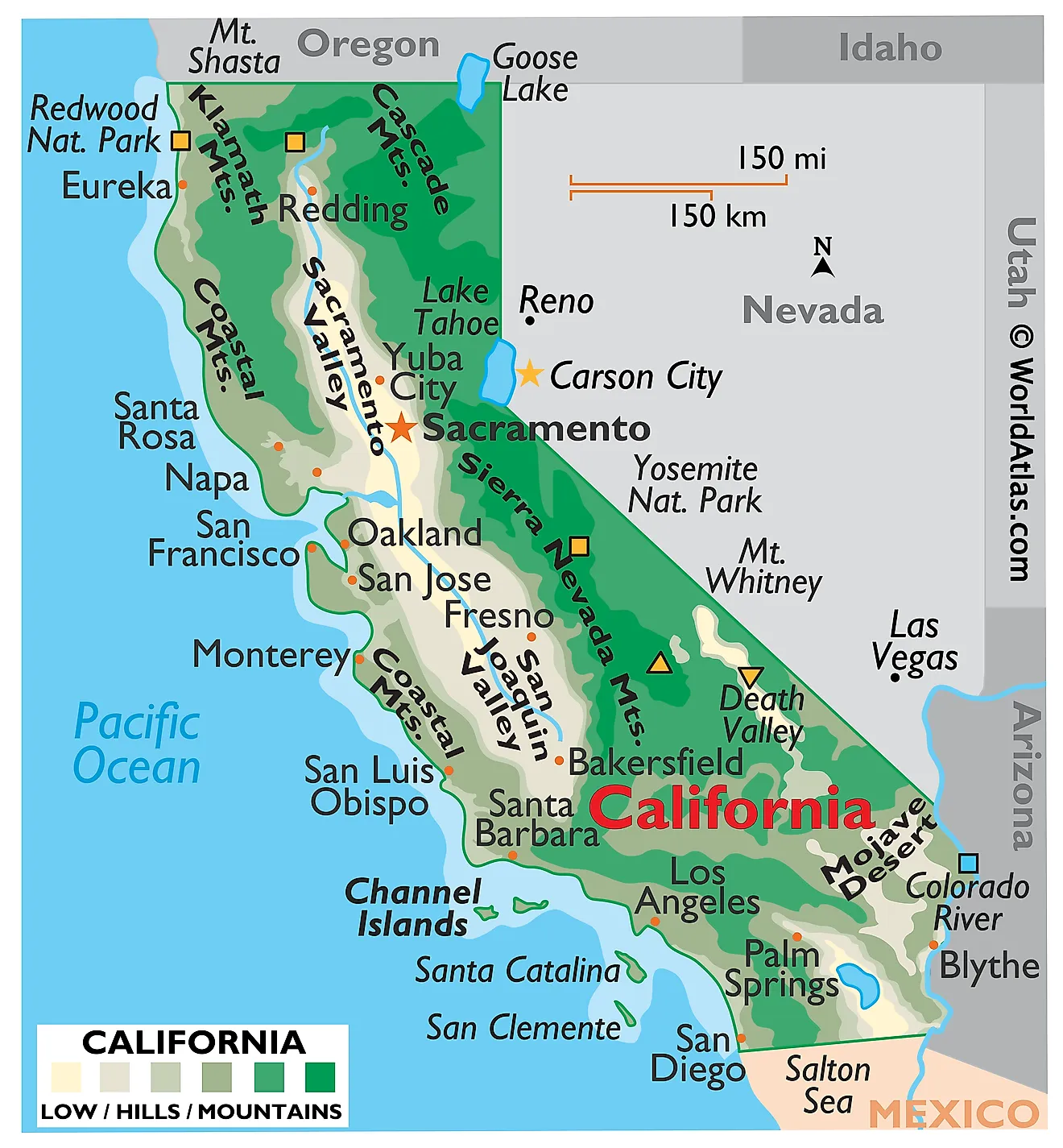
Let's look at the raw numbers. California agriculture uses an estimated 2.5 million pounds of active-ingredient PFAS pesticides annually. These chemicals aren't just lingering in abstract factory yards. They are landing directly on crops like almonds, pistachios, grapes, and tomatoes in counties like Fresno, Kern, and San Joaquin.
The issue stems from how these substances behave. They possess carbon-fluorine bonds that resist heat, water, and oil. That exact durability makes them useful for manufacturing, but it turns them into a nightmare for biology. Once sprayed, they don't break down. They accumulate in soil, leach into groundwater, and build up in human tissue over time.
Studies from groups like the Environmental Working Group show these compounds pop up in roughly 40% of non-organic California-grown produce samples and up to half of the state's surface water tests. Despite this widespread saturation, state regulators historically lacked a centralized database to flag which specific agricultural products contained PFAS ingredients.
What AB 1603 Actually Does
The original iteration of the bill aimed for an outright ban on PFAS pesticides by 2035. Intense pushback from powerful agricultural lobbies and chemical industry representatives forced lawmakers to strip away the absolute ban. What survived the legislative gauntlet is a powerful transparency mechanism.
By January 2028, the California Department of Pesticide Regulation must officially flag and catalog pesticides containing PFAS in its online reporting database. The law mandates that the public, local officials, and researchers can finally see where, when, and in what quantities these persistent chemicals are applied.
You might wonder why tracking matters if the chemicals aren't immediately banned. Transparency changes market behavior. When consumers, health advocates, and local water boards can pinpoint the exact origin of contamination, pressure mounts on growers to shift practices. It also arms local communities—particularly frontline farmworker towns in the Central Valley already dealing with polluted drinking wells—with the data they need to demand accountability.
Navigating the Pushback from Agribusiness
Agricultural trade groups fought hard against the legislation. Their argument relies on economics and global competition. Representatives claim that heavy restrictions or aggressive tracking will raise operational costs, hurt local growers, and push food production toward regions or countries with laxer rules.
There is a kernel of logistical reality here. Farmers operate on tight margins, and many rely heavily on EPA-approved formulations to protect yields from destructive pests. Shifting away from chemical-heavy pest management isn't a flip-the-switch operation. It requires capital, education, and time to scale organic or integrated pest management systems.
Yet, ignoring the public health cost is no longer viable. Municipalities like Fresno are already filing lawsuits against major chemical manufacturers to cover the staggering expense of cleaning up toxic groundwater wells. Passing the bill acknowledges that shifting the cleanup bill entirely onto taxpayers and water utilities is unsustainable.
What Happens Next for Consumers and Growers
The legislation now sits on Governor Gavin Newsom's desk, awaiting his signature. Assuming it is enacted, the ripple effects will hit multiple sectors immediately.
If you are a grower, the writing is on the wall. You need to audit your input supplies and start exploring alternatives outlined in sustainable pest management roadmaps. Relying blindly on chemical treatments that face mounting public scrutiny is a risky business strategy.
If you are a shopper, expect a clearer picture of how your food is grown. As data becomes public, grocery buyers and food brands will face pressure to source from cleaner operations.
The era of invisible chemical exposure in agriculture is drawing to a close. California just turned on the lights.


