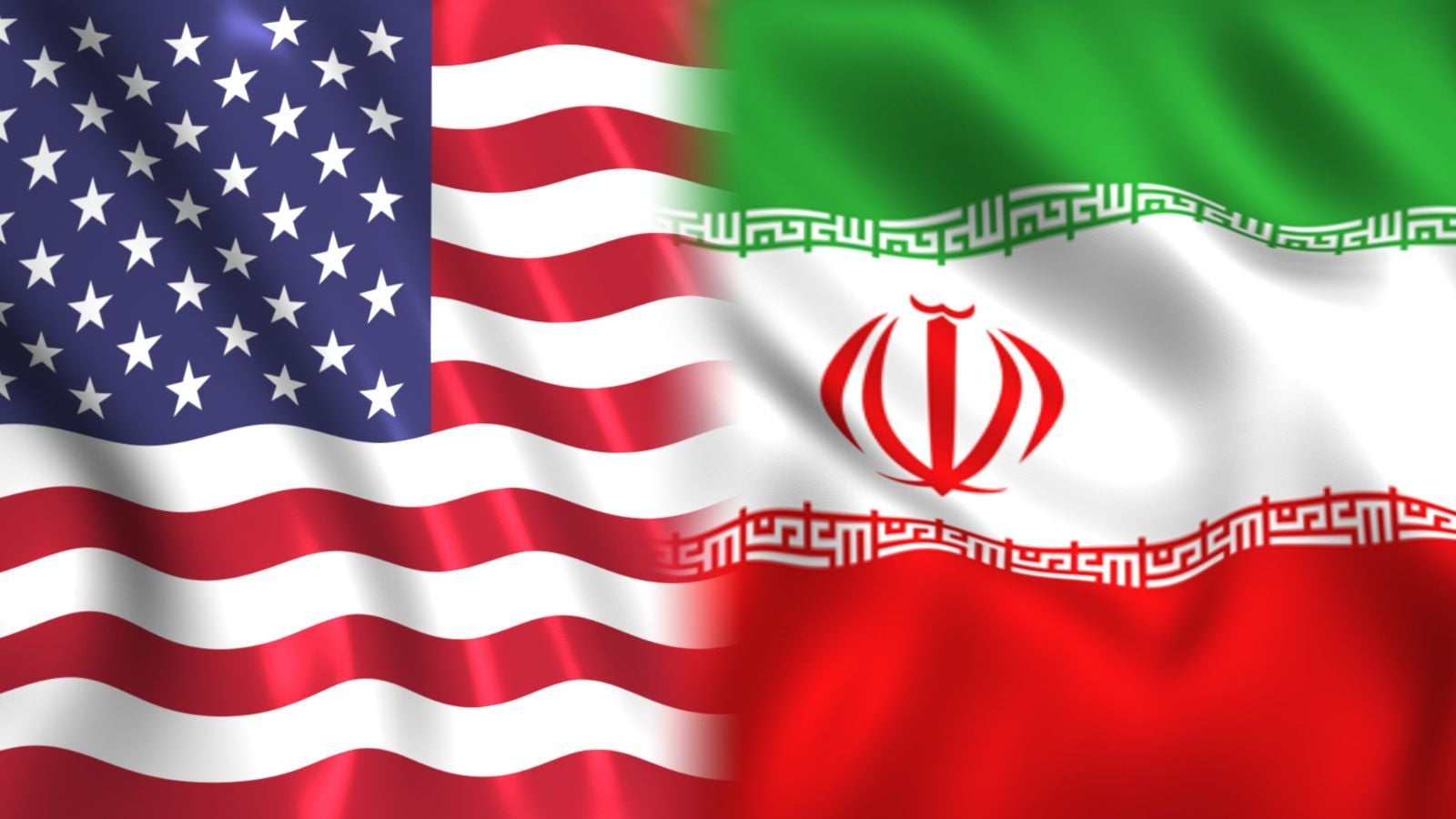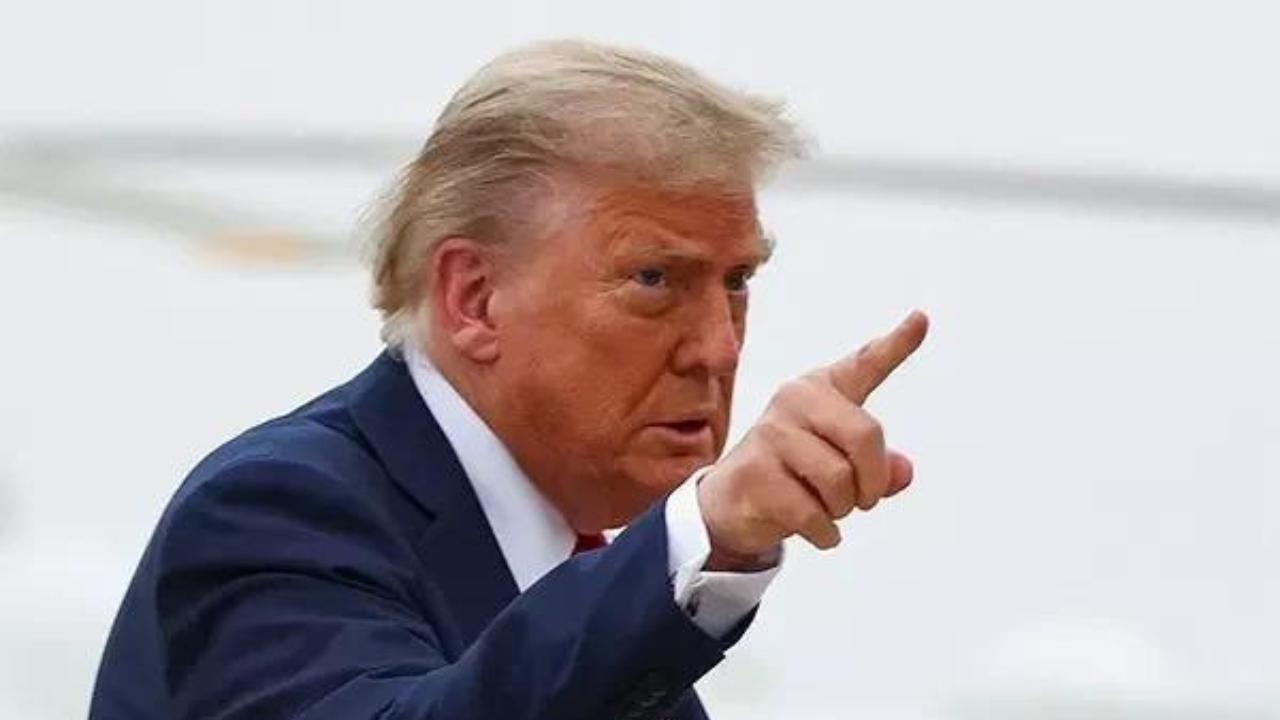
Donald Trump wants us to believe he has Iran exactly where he wants them.
Speaking to business leaders and defense officials at the US Army War College in Carlisle, Pennsylvania, the president claimed Iran "wants to settle so badly". Then came the inevitable warning: "They better behave".
But let's look at what is actually happening on the ground. The reality doesn't match the tough talk.
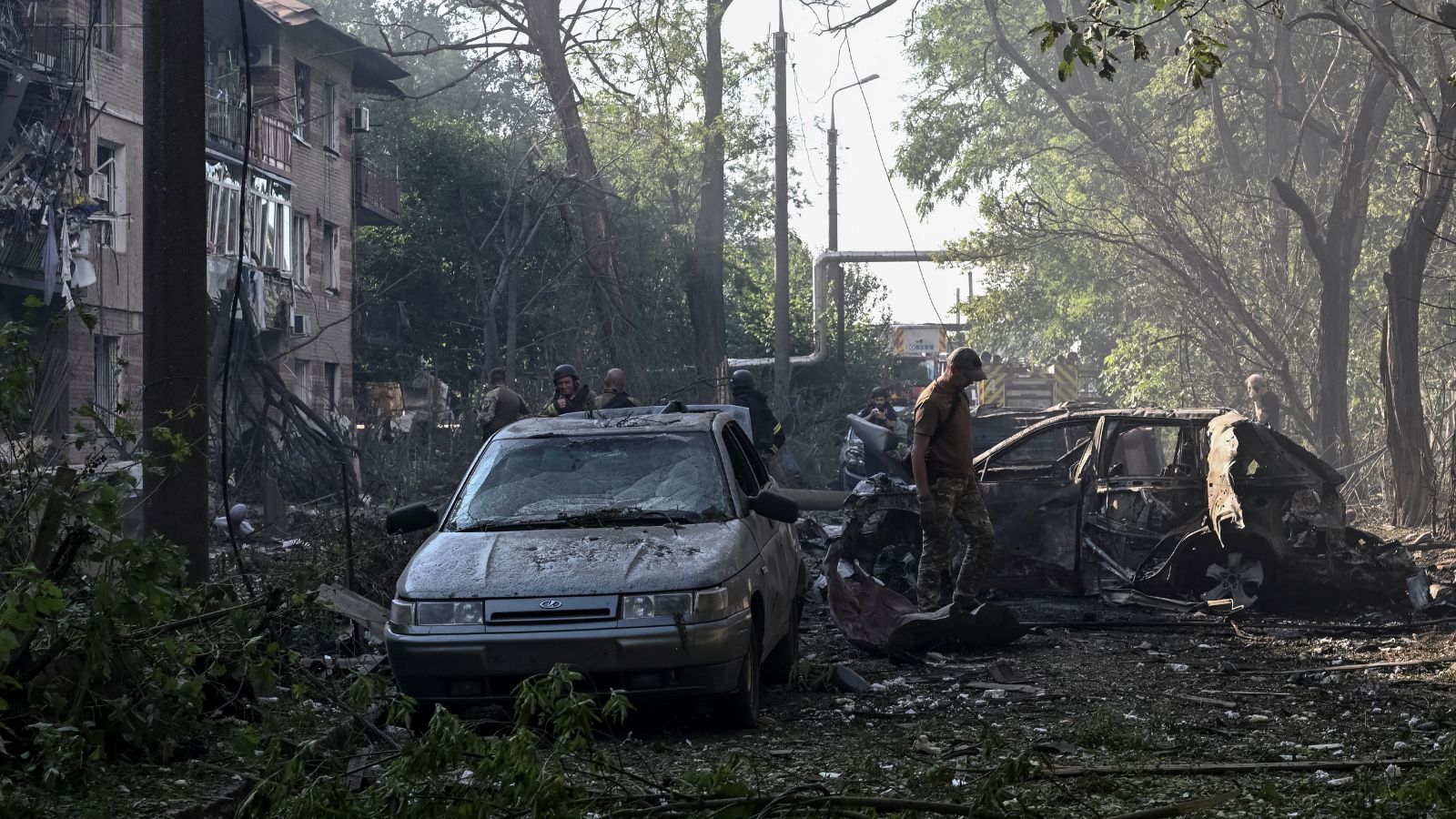
While Trump spoke of a settlement, the US military was busy launching a fresh wave of precision strikes across Iran. Bombs fell on Bandar Abbas, a crucial port city, and cruise missile sites on Greater Tunb Island were pounded for 90 minutes. In response, Iranian state media reported explosions near a cancer hospital in Ahvaz, while their forces launched retaliatory drone and missile attacks targeting US assets in Jordan and commercial lanes in Bahrain and Kuwait.
This isn't a country on the verge of quiet surrender. It's an active, escalating conflict. The fragile 60-day ceasefire signed in June has completely unraveled, leaving both sides locked in a dangerous cycle of kinetic strikes. Trump's public swagger hides a much messier, highly volatile security crisis that loud rhetoric alone cannot solve.
The Illusion of the Sixty Day Truce
To understand how we got here, we have to look back at the memorandum of understanding signed on June 17. It was supposed to be a diplomatic breakthrough—a 60-day window to negotiate a permanent end to the war, halt fighting in Lebanon, and find a durable solution to Iran's nuclear program. Trump hailed it as a massive victory, far superior to the 2015 nuclear deal.
It lasted barely a few weeks.
The agreement was built on a foundation of sand. The very first clause, calling for an immediate end to military operations in Lebanon, was never fully realized. Israel maintained its military presence and continued strikes. Meanwhile, Washington hesitated to release the frozen Iranian assets that Tehran expected as immediate economic relief.
When agreements rely entirely on the promise of future good behavior, they almost always fail. Tehran, burned by years of shifting US administrations, has no trust in Washington's long-term promises. They saw the US hesitation as a sign that sanctions relief was a carrot that would be yanked away the moment they gave up their leverage. So, they went back to doing what they know best: disrupting shipping lanes in the Strait of Hormuz.
And just like that, the bombing started again.
Bombs Fly While Stockpiles Dwindle
The strategic disconnect in Washington is glaring. Trump spent his time at the Pennsylvania defense summit talking about electric catapults on aircraft carriers, magnets, and how much he loves tractors.
But behind the theater, a real crisis is brewing for the US military.
Months of sustained bombing campaigns against Iranian targets have severely depleted American inventories of high-end munitions. Independent defense analyses reveal a troubling reality: military contractors will need at least three years to replenish the US stockpiles of Tomahawk cruise missiles, Patriot interceptors, and THAAD systems.
Estimated Replenishment Times for Key US Munitions:
- Tomahawk Cruise Missiles: 3+ Years
- Patriot Interceptors: 3+ Years
- THAAD Interceptors: 3+ Years
Trump acknowledged this pressure during his speech, calling on US munitions manufacturers to speed up. "We have the best quality in the world, but we need a little more speed," he complained.
But manufacturing precision-guided missiles isn't like building cars; you can't just run an extra shift at the factory and double production overnight. The supply chains are highly specialized, fragile, and slow to scale.
While the administration attempts to push through a massive $1.5 trillion defense budget for 2027 to address these shortages, the bill remains stuck in a gridlocked Congress. This leaves the US in a vulnerable position. If a separate conflict were to erupt—for instance, in the Taiwan Strait—US forces would face severe firepower constraints due to the munitions spent on this dragging war with Iran.
Why Tehran Won't Easily Back Down
Trump's team, led by Secretary of War Pete Hegseth, believes that maximum pressure will eventually force Iran to accept a highly restrictive, permanent deal. But they are misreading their opponent.
For Iran's leadership, this isn't just about economic survival; it's about regime survival. They have spent decades building a network of asymmetric capabilities precisely to counter American conventional superiority.
When the US Navy attempted to enforce its naval blockade, Iranian tankers simply ran the line, creating massive confusion for commercial shippers who are now demanding clear security guarantees before navigating the Gulf. By showing they can disrupt global energy markets at will, Iran maintains its primary source of leverage. They know that sustained high oil prices and rising cost-of-living pressures in the West are highly damaging to domestic US politics, especially with crucial midterm elections looming.
If the US wants a real settlement, it has to offer something more durable than "behave and we might lift some sanctions". Without a credible framework for verification and lasting economic integration, any future treaty is destined to suffer the exact same fate as the collapsed June ceasefire.
What Happens Next
The path forward is rapidly narrowing. If you are tracking this conflict, here are the key trigger points to watch:
- Shipping Rates and Insurance: Watch the commercial transit fees through the Strait of Hormuz. If international maritime insurers continue to hike rates or refuse coverage, global supply chains will see a massive price spike.
- Congressional Budget Battle: Keep an eye on the $1.5 trillion defense spending bill. If Congress fails to pass it, the military's munition crisis will worsen, limiting Trump's ability to sustain a prolonged bombing campaign.
- Regional Retaliation: Pay attention to attacks on US bases in Jordan, Iraq, and Syria. If an Iranian drone strike causes significant American casualties, Trump will face intense pressure to escalate from targeted coastal strikes to hitting targets deeper inside mainland Iran.
Loud diplomacy makes for great headlines, but it makes for terrible foreign policy. Until the administration addresses the deep-seated lack of trust and the structural limits of its own arms supply, the cycle of "bomb, negotiate, repeat" will continue to dominate the Middle East.