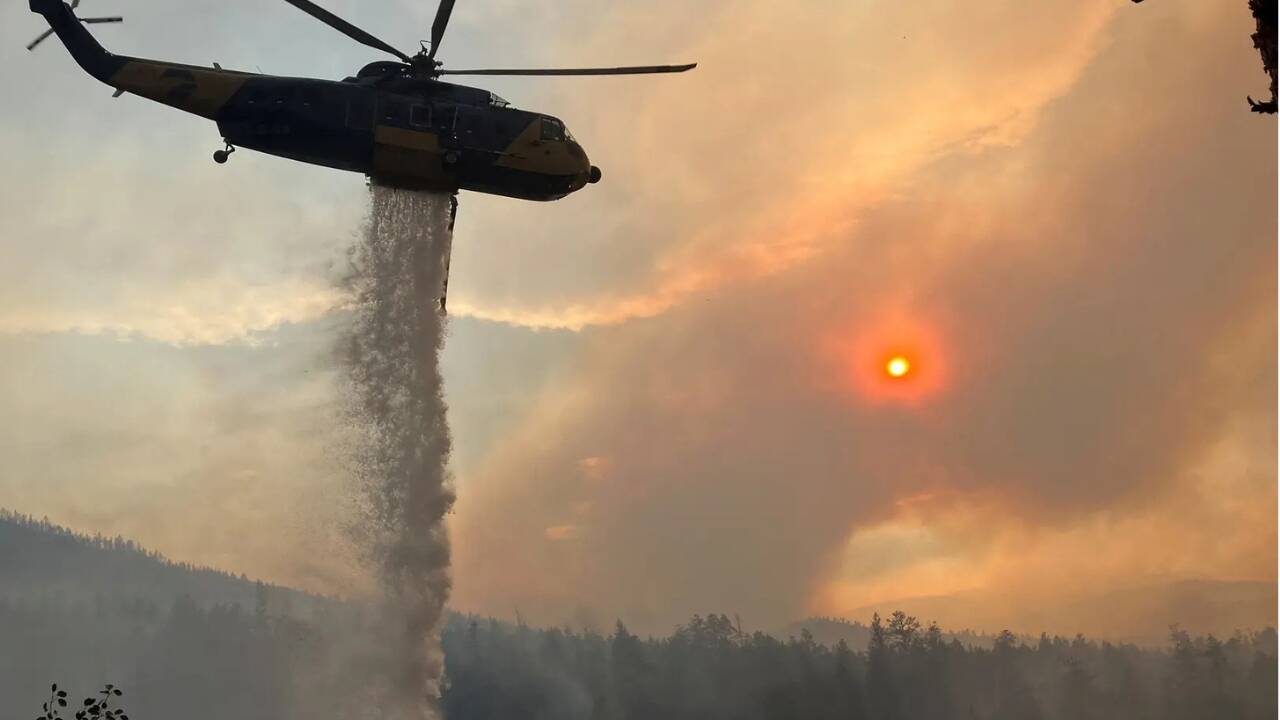
Okanagan Lake is hitting historic lows right now, and the rest of British Columbia is sitting on a tinderbox. If you think this is just another seasonal dry spell, you're missing the terrifying reality unfolding across Western Canada.
With over a hundred active wildfires raging and massive blazes like the Bald Range fire forcing thousands out of their homes, the combination of severe drought and dry lightning is creating explosive conditions that firefighters are struggling to contain. Provincial officials, including Forests Minister Ravi Parmar and Water Minister Randene Neill, have made it clear that the current crisis is stretching emergency resources to their absolute limits.
The Science Behind Dry Lightning and Parched Forests
Why are these storms so dangerous? It comes down to physics and moisture levels. Dry lightning occurs when thunderstorms form in the atmosphere, producing frequent lightning strikes while most of the actual rain evaporates before hitting the ground.
When a bolt of lightning strikes a forest that has received only a fraction of its normal spring recharge, it doesn't meet damp soil or wet foliage. It hits bone-dry timber, organic material, and needle-covered ground.
- Low Snowpack: The winter failed to build adequate snowpack across the Southern Interior, meaning natural water storage was absent heading into peak heat.
- Evaporated Rain: Summer storms deliver the spark without the safety net of moisture.
- Explosive Spread: Winds and high ambient temperatures allow new ignitions to scale up from small spot fires into roaring walls of flame in a matter of hours.
The Bald Range fire near Summerland showed this terrifying speed firsthand. It expanded to roughly 50 square miles within a shockingly short timeframe over the weekend, fueled entirely by extreme dryness in deep forest fuels.
A Look at the Numbers
The drought isn't just an abstract headline; it's visible in every gauge and monitoring well across the province.
Okanagan Lake has plunged to its lowest level since official provincial record-keeping began. Parts of the region started their seasonal water drawdowns weeks earlier than normal because the spring melt barely provided one-third of the usual volume. Groundwater observation wells are flashing red, with many hitting historic lows for this time of year.
When you have Level 5 drought conditions paired with a high Water Scarcity Index, every single drop matters. Communities throughout the Okanagan have tightened restrictions, shifting toward urgent conservation stages. Summerland even faced a boil-water advisory after untreated water forced its way into municipal systems during the height of the emergency response.
Why This Threat Goes Beyond This Summer
The most alarming part of this crisis isn't just what's burning today. It's what happens next.
Water Minister Randene Neill warned that if the region doesn't see a massive, sustained recharge of water levels during the upcoming wet months, British Columbia will enter the next fire cycle in an even worse deficit. You cannot simply hit reset on a parched ecosystem when the baseline water table has dropped out from under it.
Firefighting crews from across borders, including specialized teams from Mexico, are working around the clock to protect communities. But human intervention can only do so much against an entrenched climate shift that makes every dry season longer and more punishing than the last.
If you live in or near vulnerable areas, compliance with water restrictions and readiness for evacuation alerts aren't optional precautions. They are the difference between safety and catastrophe. Stay informed through local emergency channels, keep your grab-and-go bags packed, and take water conservation seriously before the taps run dry.