Mega-mergers usually attract immediate suspicion from regulators, and the entertainment industry is no exception. When British authorities recently signaled hesitation over a massive corporate pairing, industry watchers expected a brutal regulatory fight. Instead, the United Kingdom's Competition and Markets Authority cleared Paramount's 81 billion dollar takeover of Warner Bros. Discovery without triggering a block.
That decision didn't happen by accident. Paramount had to navigate serious pushback, high-profile public opposition, and an initial warning from government officials who felt the deal threatened media plurality.
Why British Regulators Hesitated
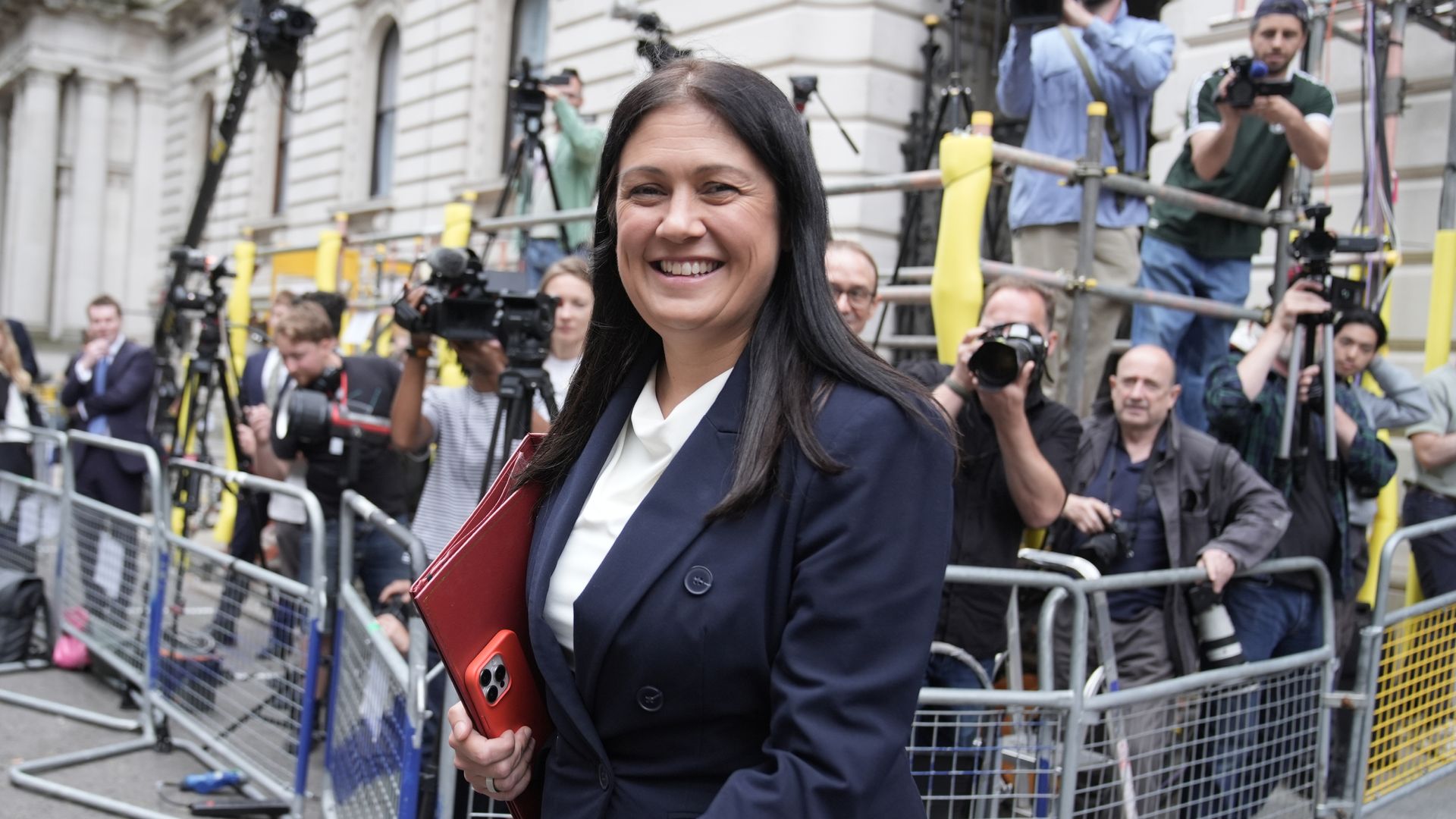
Culture Secretary Lisa Nandy previously stated she was "minded to intervene" in the acquisition. The core anxiety centered on market power across television, news, and streaming platforms available to British consumers.
A combined entity of this magnitude puts heavyweights like HBO Max, CNN, CBS, TNT Sports, and Paramount's British broadcasting asset Channel 5 under a single corporate umbrella. Critics argued that letting one colossal media structure control so many distinct channels of information would crush local competition and diminish independent storytelling.
Even high-profile entertainment figures jumped into the fray. Actors Alan Cumming, Benedict Cumberbatch, and Benedict Wong published a joint op-ed in The Guardian urging the government to halt the transaction. They argued that the marriage of these two corporate giants threatened immense harm to the British creative ecosystem, local crews, and domestic production stages.
The Legally Binding Safeguards That Saved the Deal
Paramount avoided a full-scale regulatory war by offering concrete concessions. Rather than fighting regulators tooth and nail, the company agreed to strict, legally binding commitments monitored directly by the Department for Digital, Culture, Media and Sport.
These terms protect the landscape of British broadcasting in a few specific ways:
- Editorial Independence: Channel 5 must maintain an entirely separate editorial direction from CBS and CNN. Newsrooms cannot merge their underlying perspectives.
- Service Separation: Paramount agreed not to combine its linear television channels with its on-demand streaming services within the country.
- Children's Programming Boundaries: Kids' networks like Nickelodeon and Cartoon Network must remain entirely distinct entities.
Paramount must provide annual compliance statements to prove it is following these rules. For British regulators, these ironclad terms transformed a dangerous monopoly risk into an acceptable corporate evolution.
The Road Ahead for the Mega Merger
While clearing U.K. oversight marks a massive milestone for Paramount—which was purchased by Skydance just a year prior—the transaction is far from finished.
The real battleground has shifted to the United States. A coalition of twelve states, led by California, filed a lawsuit to block the acquisition. These states argue that the union will utterly extinguish competition in Hollywood, leaving moviegoers and cable subscribers with fewer choices and higher prices. Labor groups like the Writers Guild of America have also joined the legal assault.
A twelve-day antitrust trial looms in early March. Meanwhile, the U.S. Department of Justice opted not to block the deal, creating a split front between federal policy and state-level opposition. Paramount maintains it will vigorously defend the agreement, pointing to separate clearances from China, Australia, Canada, and the European Union.
If you are tracking media consolidation, watch how the upcoming courtroom battles handle state-level antitrust claims. The U.K. may have blinked, but American courts hold the final cards.