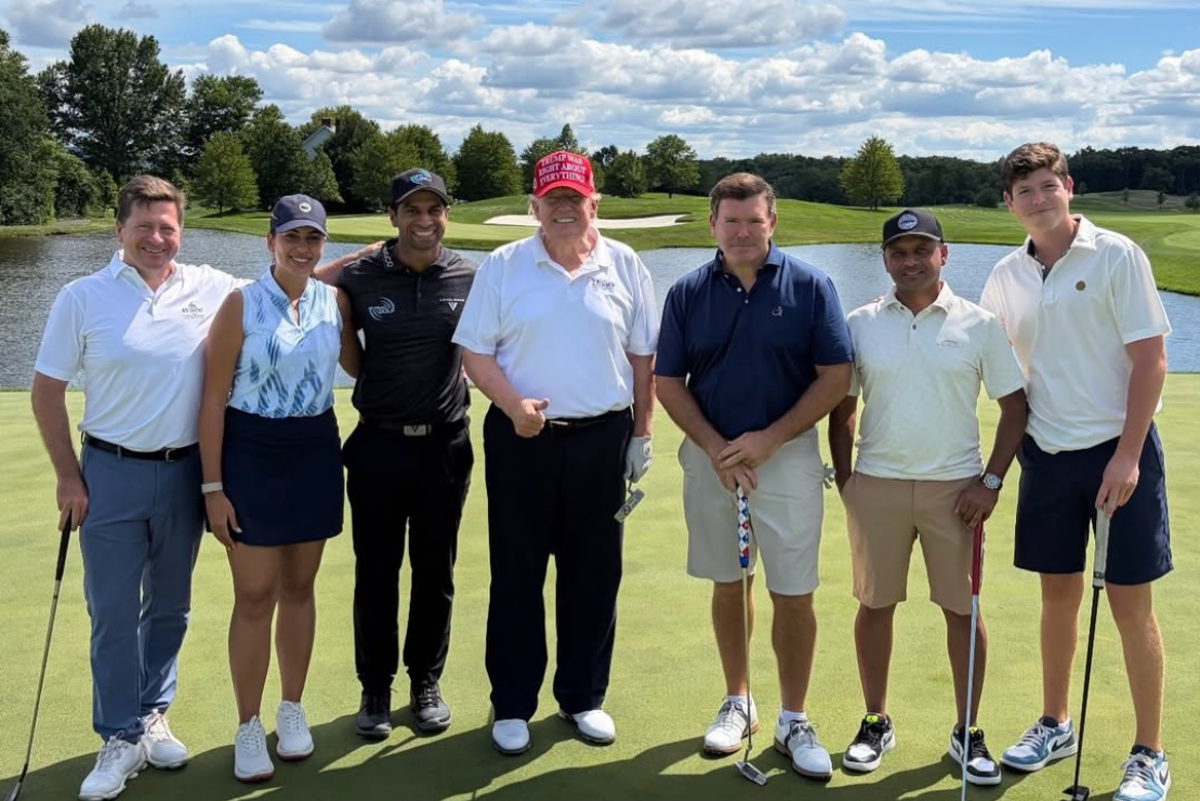
Journalistic objectivity takes a weird hit when reporters spend their weekends sharing fairways with the subjects they cover. Just days after a golf outing with Donald Trump, Fox News anchor Bret Baier went on air to deliver glowing praise for the president's marathon speech at the Republican midterm convention in Dallas. Critics noticed. You probably noticed too if you watch political media coverage with any level of skepticism.
The relationship between political anchors and Washington insiders has always been cozy. But when a straight-news anchor like Baier trades the green for prime-time praise, the line between reporting and cheerleading blurs completely. Let’s look at what actually happened at that unconventional Dallas gathering and why the media reaction tells a much bigger story about modern politics.
The Dallas Midterm Convention Spectacle
The Republican National Committee set up a unique two-day midterm convention in Dallas to rally conservative voters ahead of a brutal election cycle. Trump pushed hard for the event, insisting on turning a standard midterm battle into a direct referendum on his own political brand.
His keynote address stretched past an hour and forty-five minutes. He hit all his classic talking points: strict border enforcement, sweeping tariffs, and heavy criticisms of political opponents. He even made a first-of-its-kind cash promise, floating the idea of sending $5,000 to American adults if Republicans manage to keep control of Congress.
Yet, the event wasn't a universal success within party ranks. Many high-profile Republican incumbents in competitive swing districts skipped the convention entirely. They're trying to distance themselves from a president whose approval ratings remain underwater in key voting blocs.
When Golf Buddies Become On-Air Commentators
Shortly after Trump walked off the stage, Baier joined Sean Hannity on air to dissect the performance. Instead of a neutral breakdown of policy proposals or polling realities, Baier offered a rapturous review. He highlighted Trump's energy at age 80, calling the address a "barn-buster" and singling out specific lines as masterclasses in political messaging.
The enthusiasm might have felt standard for partisan commentary, but Baier anchors a flagship news program billed as straight reporting. The timing added fuel to the fire. Days earlier, photos surfaced online showing Baier alongside Trump and MAGA influencer Michael Solakiewicz on a golf course.
When anchors share leisure time with politicians and then offer uncritical, high-energy praise on television, it triggers valid questions from viewers. How can audiences trust the firewall between opinion programming and hard news when the anchors themselves are teeing off with the president?
What This Means for Media Trust
Public trust in media is hovering near historic lows for a reason. Viewers are tired of seeing journalists cozy up to power figures and then pretend to offer an unbiased analysis. When a journalist watches an 80-year-old politician ramble through an unscripted speech and labels it a triumph without heavily scrutinizing the policy feasibility or party friction, it looks less like journalism and more like access-driven PR.
Trump knows how to work a crowd, and he knows how to work the media machine. Whether he's promising massive cash payouts or fighting internal party pushback, he dominates the oxygen. But the real issue isn't just what Trump says on stage. It's how the people whose job is to keep him accountable choose to report it—especially after a friendly weekend round of golf.
If you want straight facts in modern political coverage, you have to look past the talking heads and check the underlying data yourself. Watch the full post-speech reaction on Fox News Hannity Segment to see the exact moment Bret Baier praised Trump's energy on air.
http://googleusercontent.com/youtube_content/1