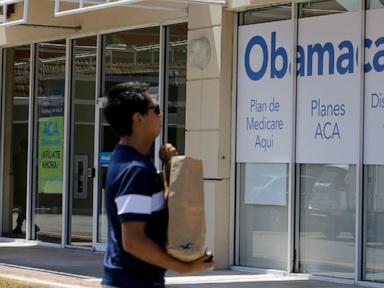
The federal government wants you to believe everything is under control. On Friday, the Department of Health and Human Services dropped a bombshell report showing that around 3 million fewer Americans had Affordable Care Act health insurance plans this February compared to the same time last year. That is a massive 13% plummet, dropping total enrollment from 22.1 million down to 19.2 million.
Washington bureaucrats immediately blamed the drop on a successful crackdown against fraudulent or "phantom" sign-ups. Don't buy it. While targeting bad actors matters, independent health analysts are pointing out what the government wants to smooth over. This mass exodus from health insurance is a direct result of federal subsidies expiring on January 1, leaving regular working people holding a bill they simply can't pay.
The Real Reason Behind the Empty Plans
When your monthly premium doubles or triples overnight, you notice. That is exactly what happened when the expanded subsidies—originally passed during the pandemic under the American Rescue Plan and extended through 2025—faded away at midnight on December 31.
The government's data looks at February enrollment because that is when the typical nonpayment grace period runs out. If you didn't pay your January and February bills, you got kicked off. Cynthia Cox, a vice president at the healthcare research nonprofit KFF, noted that real people lost their insurance at the exact same time they faced double- or triple-digit increases in their premium payments.
For four straight years, marketplace enrollment broke records. Gig workers, freelancers, hairstylists, and farmers found plans that actually fit their budgets. Now, the reverse is happening.
The Revenge of the Subsidy Cliff
The biggest hit is landing on middle-income families who earned just enough to lose all financial help. Before this year, anyone who spent more than 8.5% of their household income on a benchmark silver plan qualified for a tax credit. That income cap is back.
If you earn a dollar over 400% of the federal poverty level—which is roughly $63,000 for a single person or around $130,000 for a family of four—you are entirely on your own. Data from early 2026 plan selections shows that consumers just above this line made up only 3% of the total marketplace enrollment last year, but they accounted for a staggering 27% of the drop in coverage.
It makes no economic sense. A family earning just over the threshold pays the exact same unsubsidized premium as a family earning half a million dollars a year. Many choose to go bare instead.
Lower Income Earners Aren't Safe Either
You might think people making less money are insulated because the original, baseline subsidies didn't disappear completely. They just reverted to pre-2021 levels. But even a small shift wrecks a tight budget.
Subsidized enrollees are seeing their premium costs jump by an average of 114% this year. For someone who was paying $0 or $20 a month, a jump to $150 a month is a breaking point. Sign-ups for people making under 150% of the poverty level fell by about 441,000 individuals.
Even worse, the average individual deductible grew by roughly $1,000 for 2026. People are paying way more for a plan that covers way less before the insurance kicks in.
Younger, healthier people are the first to walk away when prices spike. They take the risk of going uninsured, leaving an older, sicker population behind in the marketplace pool. Over time, that drives premiums even higher for everyone else.
How to Handle the High Cost of Staying Insured
If you are struggling to keep your coverage or already lost it because of the rate hikes, you still have a few cards to play. Sitting around hoping Congress passes an extension bill before the November elections isn't a strategy.
Look at your plan level again. If you are currently in a Gold or Silver tier, switching to a Bronze plan will lower your monthly premium, though your deductible will rise. It is not ideal, but it prevents total financial ruin from a catastrophic medical event.
Check state-specific programs. A handful of states run their own marketplaces and have approved state-funded subsidies to cushion the blow for residents.
Look into job-based insurance. If you have been turning down your employer's health plan because the ACA marketplace used to be cheaper, run the numbers again. With the enhanced subsidies gone, employer-sponsored insurance is frequently the more economical path forward.
Report income changes immediately. If your income dropped even slightly this year, update your marketplace profile. You might fall back under the subsidy cliff line, which would instantly trigger a discount on your remaining monthly payments.