A packed London courtroom erupted in bitter laughter on July 13, 2026. Catherine Rowlands, the barrister representing Peterborough City Council, had just told the High Court that "the Hindu community is valued and we want them to stay."
Sitting in the public gallery, dressed in orange "Jai Shree Ram" T-shirts, members of the Peterborough Hindu community couldn't believe their ears. Shaking their heads in disbelief, they watched as a local authority defended its decision to sell the building housing their forty-year-old temple to an Islamic association.
The council wants to balance its books. The Hindu community wants to preserve its only spiritual sanctuary within a thirty-five-mile radius. This legal battle is not just a local zoning dispute. It is a stark look at what happens when cash-strapped local councils put a price tag on community heritage.
The High Court Showdown Over the New England Complex
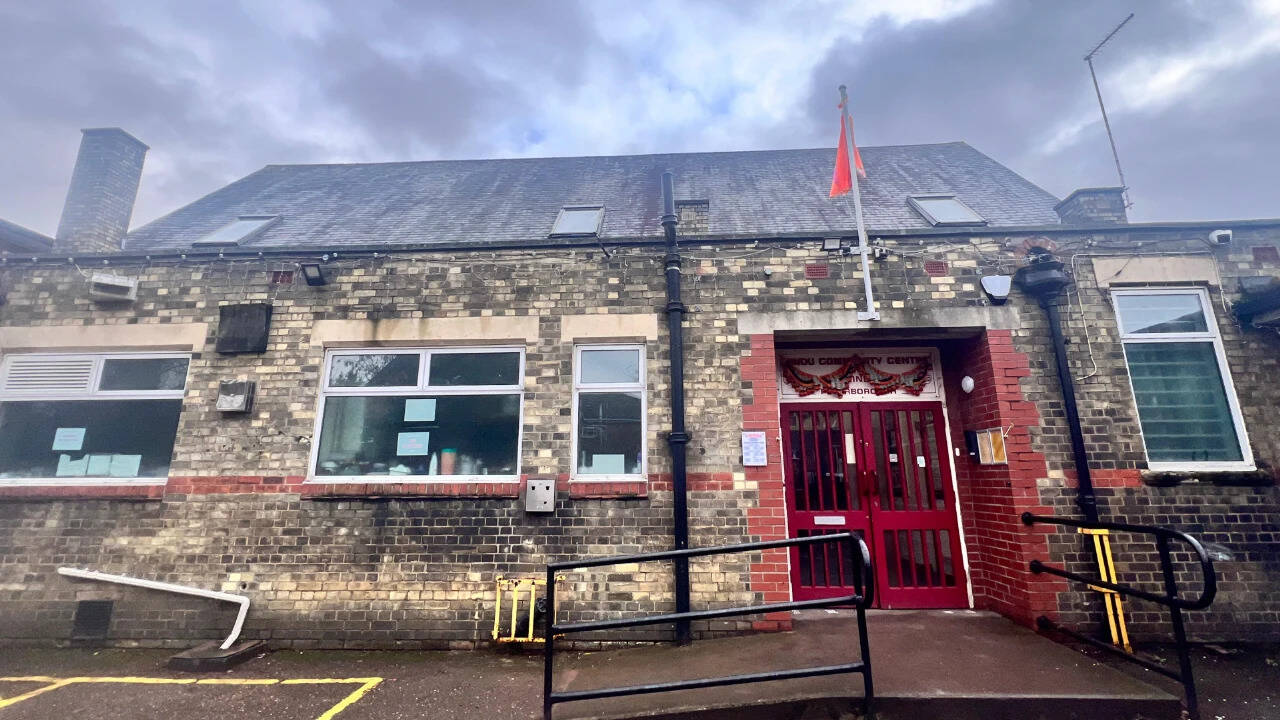
The legal battle playing out before Mr. Justice Morris in London centers on a site known as the New England Complex on Rock Road. Since 1986, the Bharat Hindu Samaj temple has called Unit 6 of this complex home.
The council decided to sell the freehold of the site to the United Kingdom Islamic Mission, an organization with about forty centers and sixty branches across the country. The mission plans to redevelop the site into Masjid Khadijah, a mosque and Islamic community hub.
The temple group did not take this sitting down. They secured a high court injunction to halt the sale, raised over £119,000 through crowdfunding, and took the council to court. They argue the decision-making process was deeply flawed and unlawful.
During the hearings, the council's defense was simple. They are broke. Peterborough City Council is drowning in an estimated £500 million debt. In court, Rowlands admitted as much, stating flatly that "Peterborough council is hard up. We need the money."
This financial desperation has forced a choice between cold, hard cash and the social fabric of a minority community.
A Sanctuary Born from Crisis
To understand why feelings are running so high, you have to look at how this temple came to be. This is not just a rented room. It is a monument to survival.
In 1972, Ugandan dictator Idi Amin ordered the expulsion of the country's Asian minority. Thousands of families arrived in the UK with nothing but the clothes on their backs. A group of these families settled in Peterborough. By 1986, they had established the Bharat Hindu Samaj.
For four decades, this temple has served as the sole cultural and spiritual anchor for roughly 14,000 Hindus across eastern England. Worshippers regularly travel from Cambridgeshire, Norfolk, Lincolnshire, and Leicestershire. It is the only Hindu place of worship in the region. If it closes, local Hindus have nowhere else to go.
The council argues that Peterborough is a big place with plenty of other premises. They claim they have offered alternative locations. But the temple community points out that finding a suitable, accessible, and affordable replacement is not that simple. You do not just pack up forty years of consecrated altars, community memory, and voluntary labor and move it into an empty warehouse down the road.
Cash versus Social Value
The bidding war for the New England Complex reveals a disturbing trend in how public assets are sold off. When the council put the property on the open market, it set up a bidding process that pitted a well-funded national organization against a local community group.
- The UK Islamic Mission bid: £1.4 million in cash, backed by proof of £5.4 million in cash reserves.
- The Bharat Hindu Samaj bid: £900,000 in cash, supplemented by £504,000 in calculated "social value" based on their forty years of community service.
The council went with the cash.
The temple’s legal team, led by barrister Toby Fisher, argued that council officers made massive errors when evaluating these bids. The council used a bidding formula based on 70% financial value, 20% social value, and 10% deliverability. That is a commercial formula. It is the kind of math you use when selling a retail park, not a community asset that has housed a place of worship for forty years.
The council's legal team argued that protected characteristics under the Equality Act 2010 must be considered, but they do not dictate the final decision. In other words, the council acknowledged that evicting the Hindu community would hurt them, but decided the £500,000 price difference was worth more than the community's pain.
The Dangerous Precedent of the Peterborough Sale
If the High Court rules in favor of the council, it will send a chilling message to voluntary and religious groups across the UK.
Local governments are facing unprecedented financial crises. If councils are allowed to sell off community assets to the highest bidder without properly weighing the devastating impact on minority groups, no community space is safe. Under this logic, any long-standing library, community center, or chapel can be sold off the moment a wealthier buyer comes along.
The UK Islamic Mission already has a massive footprint across the UK. The Bharat Hindu Samaj has one building. Forcing a unique regional minority group out of its only home to benefit a larger, national group with vast resources is a terrible look for a council that claims to value diversity.
The council’s suggestion that the Hindu community could simply wait out their eviction because the mosque's development fundraising target stretches to 2035 was met with skepticism. When Justice Morris questioned this logic, the council’s representative joked that the buyers "may win the lottery" and evict the temple next week. It is hard to see how the council can claim to value the Hindu community when its legal defense relies on such flippant arguments.
What Happens Next
The High Court is expected to deliver its written judgment soon. The decision will have massive implications.
If the court quashes the sale, Peterborough City Council will have to go back to the drawing board. They will have to re-evaluate how they assess the worth of community spaces. They will have to prove they took their duties under the Equality Act seriously, rather than treating them as a box-ticking exercise.
If the council wins, the Bharat Hindu Samaj faces an uncertain future. They will have to prepare for eviction. A forty-year legacy of integration, worship, and community support will be dismantled to help plug a tiny fraction of a council's massive debt.
This case is a wake-up call. We need to start asking ourselves what our communities are actually worth. If we measure everything in pounds and pence, we lose the very things that make our towns and cities livable.
Watch this space. The fight for the New England Complex is far from over, and its outcome will reshape how community assets are protected across Britain.