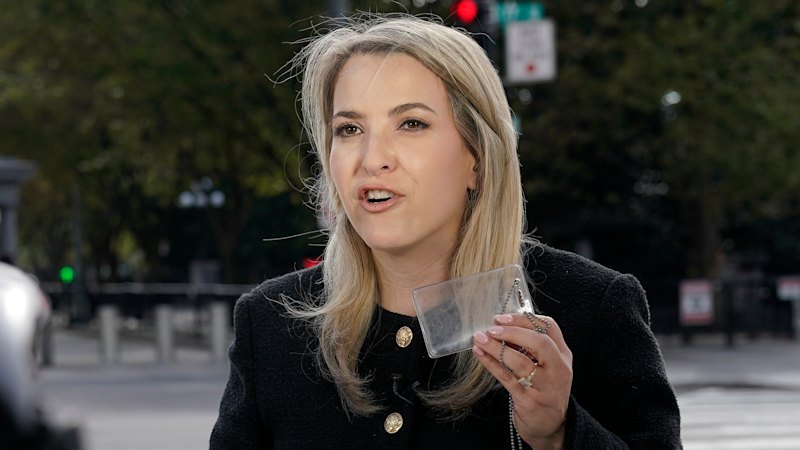
Secret Service agents stood outside White House gates and confiscated press passes from journalists representing CNN, MS NOW, and Politico. President Donald Trump’s sudden ban on these specific news organisations shifted from rhetoric into physical reality. Reporters like CNN’s Betsy Klein found themselves broadcasting from the sidewalk near 17th Street and Pennsylvania Avenue rather than their usual on-site workspaces.
This move represents an unprecedented escalation in executive hostility toward independent journalism. The administration didn't just issue a verbal reprimand. They locked reporters out of federal grounds because the president dislikes their coverage.
The Mechanics of the Ban
The enforcement hit quickly on a Saturday morning. Staffers arriving for routine reporting shifts had their credentials stripped away by security personnel. MS NOW reported that while one of its producers slipped past initially, the core reporting infrastructure for multiple major outlets was effectively dismantled on-site.
This decision caught even the White House press office off guard. Reports indicate the directive bypassed normal internal communication channels while Chief of Staff Susie Wiles was away from Washington. With former press secretary Karoline Leavitt having departed her post the previous month, the administration operated without a traditional communications buffer to manage the fallout.
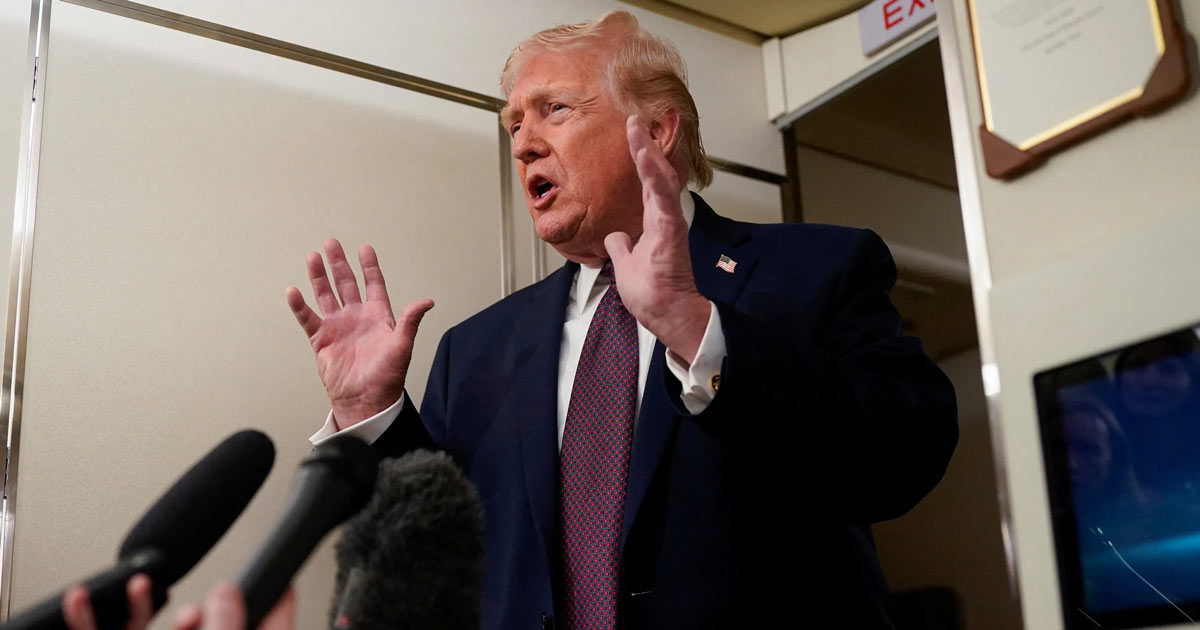
Trump defended the action bluntly, pointing to cumulative coverage he deemed unfair rather than a single breaking incident. "You get sick of it," he remarked, noting he expects the policy to face immediate court challenges.
Constitutional Battles Over Press Access
The White House Correspondents’ Association responded swiftly. WHCA president Jacqui Heinrich called the revocation a direct violation of the First Amendment. Media lawyers point to decades of legal precedent establishing that once the government grants access to journalists, it cannot strip away that access arbitrarily based on viewpoint or content.
Yet, this administration has systematically tested those legal boundaries across multiple agencies. Last year, the Department of Defence imposed strict conditions that led major news outlets to pull their physical presence from the Pentagon entirely. Another earlier standoff involved attempts to bar the Associated Press from the Oval Office over a geographical naming dispute.
Now, the conflict centers squarely on the White House perimeter. CNN issued a formal statement calling the ban an illegal assault on constitutional rights, promising that reporting will continue regardless of physical location constraints. Other legacy institutions, including The New York Times, have expressed solidarity, while Trump hints that additional outlets could face similar exclusion.
What This Means for Future Administration Access
The implications extend far beyond the three targeted networks. If an administration can revoke press credentials because it disapproves of a newsroom's editorial angle, any independent outlet becomes vulnerable. The precedent establishes a shifting standard where physical access functions as a reward for favorable coverage rather than an open channel for the public's right to know.
Legal teams are preparing filings to contest the restrictions in federal court. Whether the judiciary halts the policy will depend heavily on how judges interpret executive authority over federal property versus constitutional protections for a free press.
Check your local news feeds for upcoming court filings on the White House press ban. Monitor statements from media defense organizations to track how other major newsrooms respond to ongoing credential restrictions.