You walk into a grocery store, pick up a pack of bacon, and have no idea you're holding a political grenade. This isn't just about breakfast anymore. It’s about California’s animal welfare laws, a massive Supreme Court case, and a strange new trend where "China" gets blamed for everything from farm bills to the price of your pork chops.
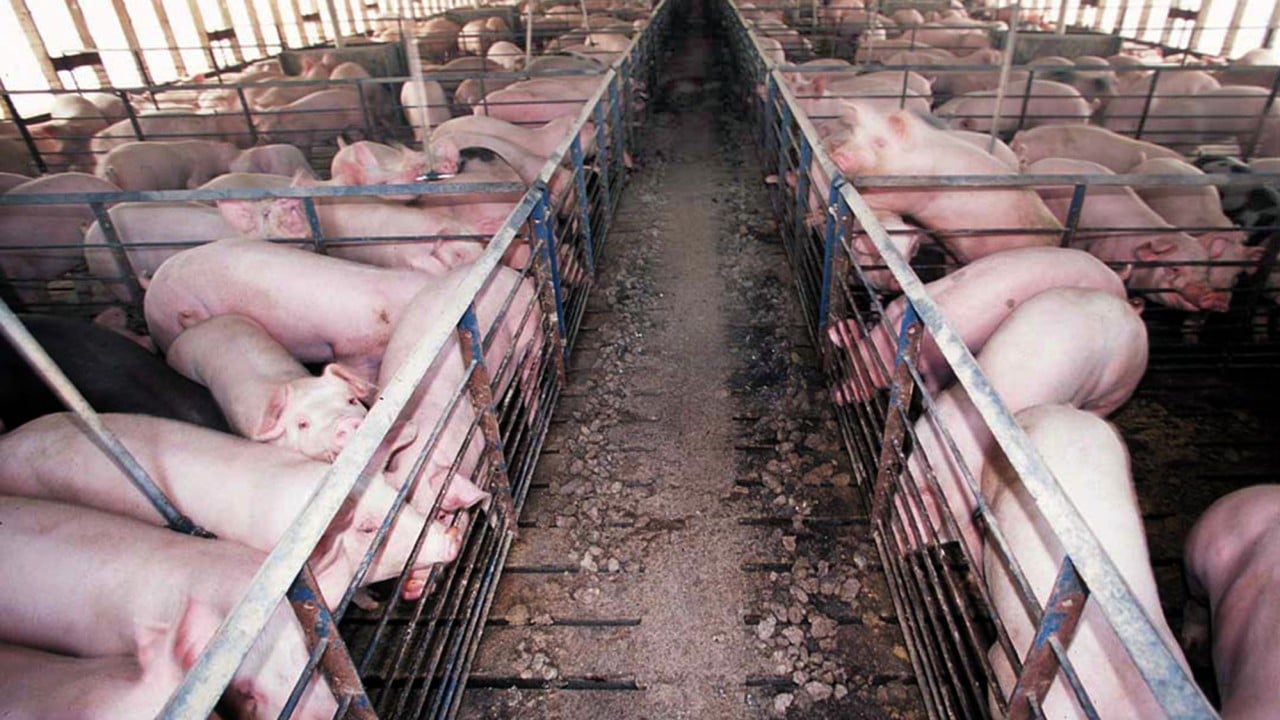
Basically, California passed Proposition 12 back in 2018. It demanded that mother pigs get at least 24 square feet of space. If you want to sell pork in California, your farm has to follow these rules. Since California is a massive market, this law forced farmers across the country to either change how they work or lose access to millions of customers. For an alternative perspective, see: this related article.
Then, things got ugly. The National Pork Producers Council tried to kill the law in court, claiming it was unconstitutional. They lost. The Supreme Court ruled in 2023 that California could indeed set its own standards for what gets sold on its shelves.
The Weird Pivot to China
So, where does China come in? Further insight regarding this has been shared by Forbes.
In 2026, the rhetoric shifted. Opponents of these welfare standards—specifically those pushing for the "Save Our Bacon Act"—started linking the issue to Chinese influence. The argument goes like this: if you force American farmers to spend thousands of dollars per sow to meet California’s rules, you'll drive family farms out of business. Who wins then? Big corporations, some of which have Chinese ownership.
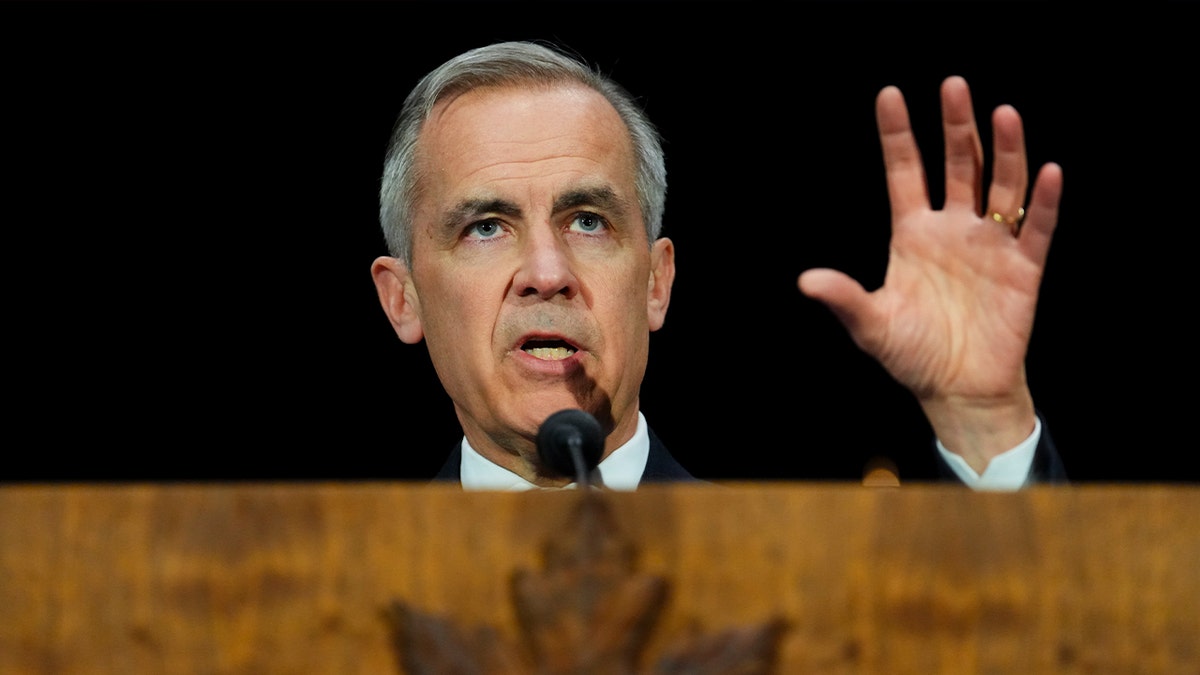
It's a clever, if cynical, political tactic. By painting Proposition 12 as a "pro-China" policy that hurts small American farmers, lobbyists have managed to turn a dry agricultural regulation into a flag-waving, patriotic showdown. It doesn't matter that the underlying issue is animal confinement; it matters that you can put a photo of a foreign leader on a campaign flyer and call it a scandal.
Why Small Farmers Are Actually Feeling the Squeeze
The rhetoric about "China" is a distraction. The real issue is money. Retrofitting a hog farm to give a sow 24 square feet of space is expensive. We’re talking about potentially thousands of dollars per animal.
Small, independent farmers don't have that kind of cash lying around. They’re the ones who get squeezed. They’re not being "infiltrated" by foreign powers; they’re being hit by a massive regulatory shift that favors producers who can afford the capital investment to change their facilities overnight.
Some farmers have successfully pivoted. They’re selling "Prop 12 compliant" pork at a premium. But that’s a luxury market. It doesn't help the farmer selling commodity pork in the Midwest who suddenly can’t get their product onto California grocery store shelves without a massive, multi-year investment.
The Real Cost on Your Plate
If you think this doesn't affect you, check the receipt. Prices for pork products in California jumped significantly after the law hit full enforcement. We’re talking double-digit increases for bacon and loins.
When you create a "patchwork" of state regulations, you create market friction. If every state decides to make its own rules about how a pig should live, the supply chain breaks. Efficiency dies. Costs go up. That's just how the economics of scale work. You’re paying for the legal and logistical nightmare that happens when a state-level ballot initiative impacts national interstate commerce.
What Happens Next
The fight over the "Save Our Bacon Act" isn't about saving bacon. It’s about power. It’s about whether a single state should be allowed to set standards for the entire country.
If you're a consumer, here is the takeaway:
- Don't buy the "China" narrative. It’s a tool used to stir up votes, not an explanation of your grocery bill.
- Expect price volatility. Until the industry settles on a national standard or everyone just accepts the higher cost of "humane" production, the price of pork will continue to bounce around based on who is winning the latest legislative lobby war.
- Look for labels. If you care about how your food is raised, look for the certifications. If you don't care, buy whatever is cheapest, but understand that the "cheapest" option is currently being redefined by a legal battle happening thousands of miles away from your kitchen.
The market is currently deciding how to handle this, and it’s going to be messy. Don't look for a simple answer, because there isn't one. Just know that when politicians start shouting about bacon and foreign powers, they’re usually just trying to distract you from a much more boring, expensive reality.
Pay attention to your local agricultural policies instead of the slogans. That’s where the real impact on your wallet actually lives.