Culture and technology are colliding hard across Australia. If you've been paying attention to what's hitting the headlines, two massive stories just proved that the nation is drawing a very firm line in the sand regarding creativity. From a half-billion-dollar painting finally heading west to a major crackdown on machine-made melodies, the rules of engagement for Australian culture are shifting overnight.
Blue Poles Leaves Canberra for a Historic Journey West
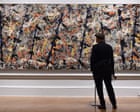
Let's talk about Jackson Pollock's iconic masterpiece Blue Poles. Purchased back in 1973 by the Whitlam government for a controversial $1.3 million, this abstract expressionist giant is currently insured for over $500 million. For decades, it's basically stayed put in the national capital.
That changes soon.
Under the federal government's Sharing the National Collection program, the massive canvas is packing its bags for Perth. It will go on display at the Art Gallery of Western Australia from April to September 2027. This marks the painting's first interstate trip in over twenty years.
Critics back in the seventies called the purchase a massive waste of public money. History proved them wrong. Prime Minister Anthony Albanese pointed out that the national collection belongs to every citizen, not just those who can book a trip to Canberra. When regional galleries showcase pieces from the national vault, visitor numbers skyrocket. It turns out people actually want world-class art in their own backyards.
ARIA Drops the Hammer on Wholly AI-Generated Music
While physical art is traveling across the country, digital audio is facing severe restrictions. The Australian Recording Industry Association just updated its Charts Code of Practice to ban wholly AI-generated tracks from the official charts.
Starting with the chart data published at the end of August 2026, machine-made songs have zero place on the official countdown. ARIA CEO Annabelle Herd made it clear that while artists can use authorized technology as a supporting tool, songs generated completely by algorithms trained on human work won't get a free pass.
If a track wants to chart, it has to be substantially human-made and legally compliant. ARIA isn't messing around either. They have the power to strip awards, retroactively remove tracks, and adjust positions if anyone tries to game the system.
What This Means for the Future of Australian Creativity
These two seemingly unrelated updates point to the exact same cultural anxiety. We are trying to figure out what authenticity actually means.
When you look at a painting like Blue Poles, you're looking at human sweat, physical paint splatters, and a bold historical risk. When you listen to a chart-topping track, you want to know a human lived through something and turned it into sound. Protecting that core human element is becoming a priority for institutions and industry bodies alike.
Technology moves fast, but the pushback to keep art human is moving faster. Keep an eye on how these policies evolve because other sectors will follow suit.