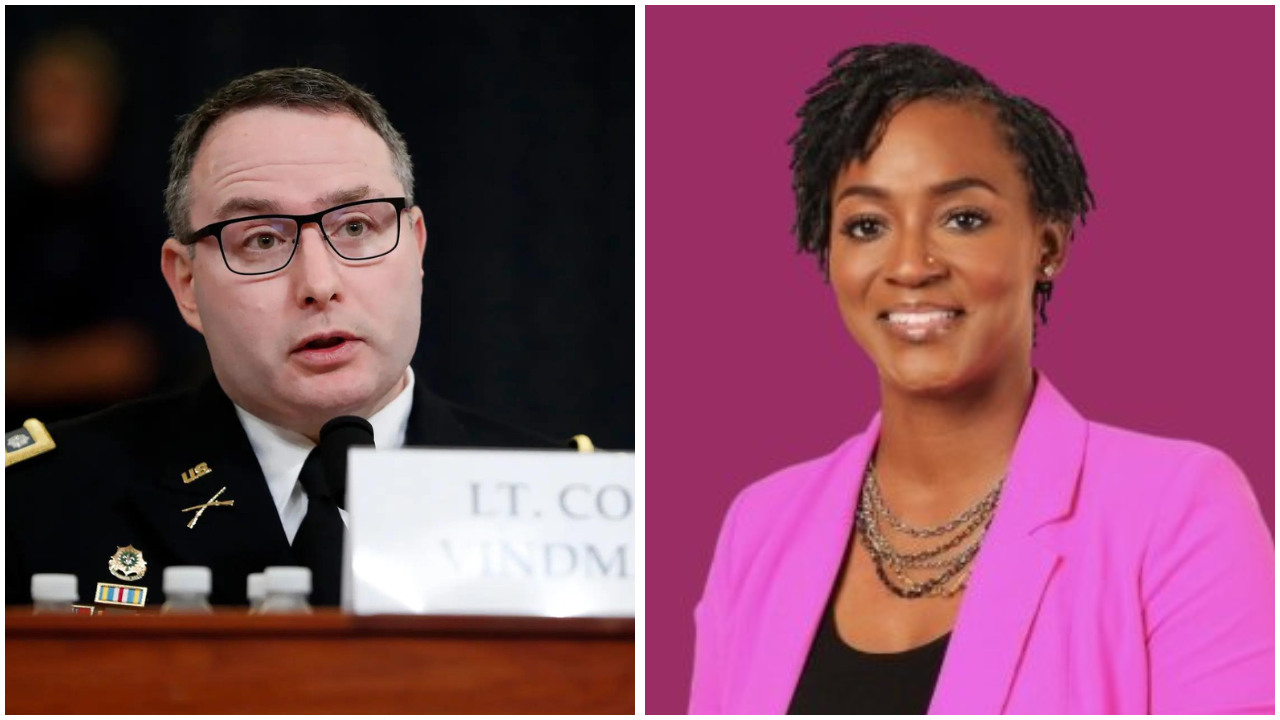
Florida just delivered a wake-up call to the Democratic establishment. State Representative Angie Nixon’s primary win over Alexander Vindman for the U.S. Senate nomination wasn’t just a victory; it was a total disruption of the status quo. When a candidate with less than $1 million in funding takes down someone backed by a massive $16 million war chest, you have to stop and ask: what changed?
Basically, the traditional playbook for winning a Senate primary—name recognition, heavy spending, and institutional backing—didn't work here. If you’ve been following Florida politics, you know the narrative has long been that the state is drifting further right. But this result suggests the internal fight for the soul of the Democratic Party is still very much alive, even in a place where Democrats haven't won a Senate seat in over a decade.
The Money Gap Didn't Matter
We often hear that in politics, you can buy a win. Vindman’s campaign is the perfect case study for why that's a dangerous assumption. By the end of July, the funding discrepancy was staggering: Nixon held less than $1 million while Vindman had upwards of $16 million.
If you're a strategist, this should terrify you. It means voters are tuning out the saturation advertising and focusing on grassroots organizing. Nixon, a member of the Democratic Socialists of America, spent her time in the trenches, fighting local battles like the sit-in against Republican redistricting that landed her in legal trouble. She didn't have the "establishment" polish, but she had the visibility that actually counts—the kind that comes from showing up where people live and work.
Why Vindman Lost the Narrative
Vindman’s campaign made a tactical error that I've seen play out too many times before: he focused on the general election while ignoring the immediate primary. By refusing to debate Nixon and staying laser-focused on Republican opponent Ashley Moody, he essentially signaled that he viewed the primary as a formality.
Voters hate being taken for granted. When a candidate refuses to engage with their own party’s electorate, it often backfires. Nixon’s messaging was direct: she didn't need to be briefed on local issues because she had been living them for years. That contrast between an outsider-turned-insider and a "Washington DC" candidate is exactly what moves the needle today.
What This Means for November
Nixon now moves on to face Republican incumbent Ashley Moody, who was appointed by Governor Ron DeSantis to fill the seat after Marco Rubio became secretary of state. Let's be clear: the road ahead is incredibly steep. Florida’s political environment has shifted significantly, and most analysts don't consider this race competitive given the GOP’s structural advantages in the state.
However, the primary win serves as a proof-of-concept for the progressive wing of the party. It shows that even in a state that voted for Donald Trump by a wide margin in 2024, there is a core of voters hungry for a different kind of leadership. Whether that translates to a general election win is a different question entirely, but the strategy of running on local, tangible grievances—like housing and education—is proving more effective than simply running as the "anti-Trump" candidate.
How to Follow the Results
If you want to stay informed about how this race unfolds as we head toward the general election, skip the social media speculation. Rely on the official data provided by the Florida Division of Elections or track the updates through reputable news outlets that provide direct, sourced information.
Politics is shifting fast. If you're tired of the same old results, start paying attention to the ground-level work, because that’s where the real power is actually shifting. Nixon’s win isn't just about her; it's about a clear demand from voters for candidates who actually show up.