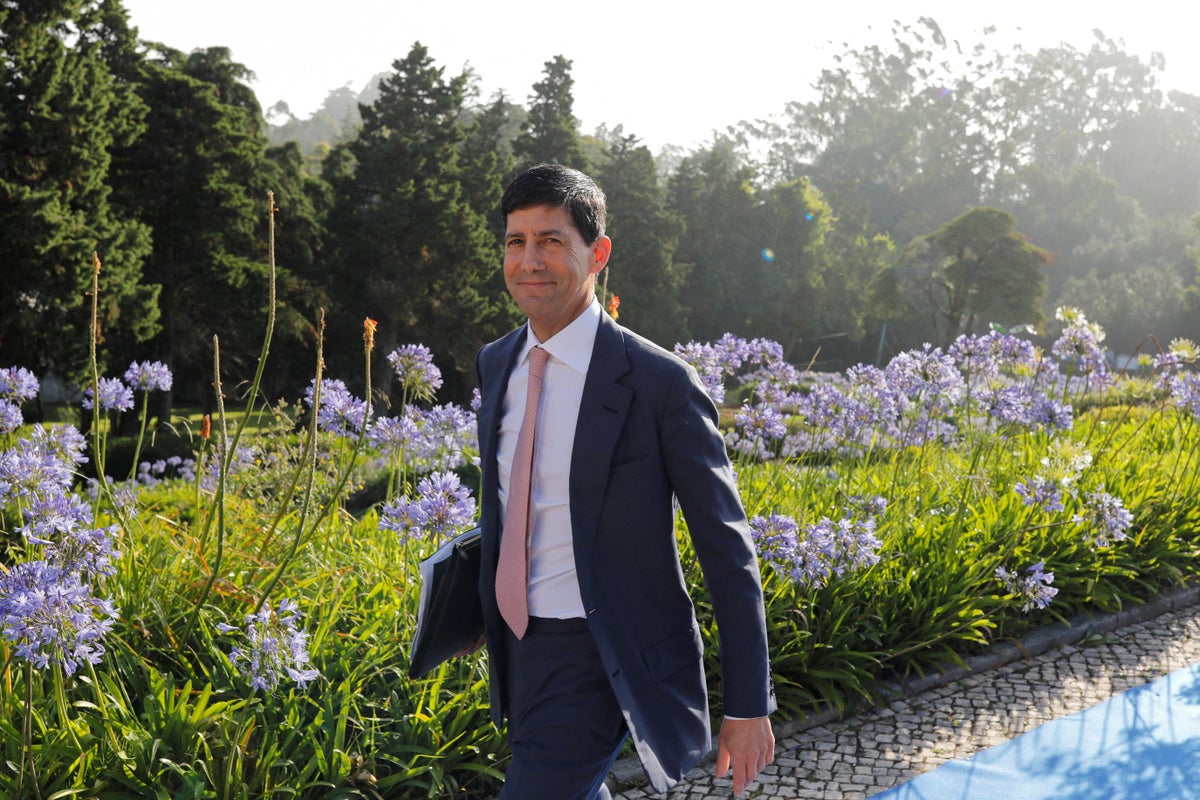
Andy Burnham hasn't even officially moved into 10 Downing Street yet, and he's already on a collision course with some of the most ruthless vulture funds on Wall Street.
Following Keir Starmer's sudden resignation, Burnham has effectively locked up the race to become the UK's next Prime Minister. He is running on an economic platform he calls "Manchesterism"—a brand of soft-left, business-friendly socialism that prioritizes regional devolution and taking back public control of failing essential services. Meanwhile, you can explore other events here: Why The Nvidia Chip Fraud Case In Singapore Is Turning Into A Massive Corporate Meltdown.
His first big test case? Thames Water.
The UK's largest water utility is drowning in over £15 billion of debt, suffocating under a mountain of public rage over sewage dumps, and teetering on the edge of total collapse. Burnham has made his stance clear: outright nationalization is absolutely on the table. He wants the essentials of life run for the public interest, not private profit. To explore the full picture, check out the detailed report by The Economist.
But Wall Street giants like Apollo Global Management and BlackRock, who hold massive chunks of Thames Water’s distressed debt, aren't about to let the British government wipe them out without a vicious legal and financial cage match.
If Burnham thinks managing the North of England was tough, he's about to find out what happens when you try to shortchange New York hedge funds.
The £15 Billion Sovereign Debt Trap
Let's look at how we got here. Thames Water serves 15 million people across London and the Thames Valley. Decades of aggressive private equity financial engineering stripped the company of cash while piling on leverage. Now, the utility can't even pay the interest on its debt, let alone fund the billions required to fix its crumbling, leaky infrastructure.
Just weeks ago, the UK Environment Secretary rejected a desperate £10 billion rescue plan proposed by the company. Why? Because the deal would have shifted an "undue burden" onto regular consumers through skyrocketing water bills. With that private bailout dead in the water, special administration—a polite British term for temporary nationalization—is virtually inevitable.
This is where the Wall Street heavyweights come in.
Thames Water Financial Collapse:
[£15B+ Debt Pile] ──> [Private Bailout Blocked by Gov] ──> [Imminent Nationalization] ──> [Wall Street Haircut Fight]
A massive coalition of institutional creditors, including Apollo, BlackRock, and various hedge funds, have been quietly buying up Thames Water’s secondary debt at a discount. They didn't buy it because they care about clean rivers. They bought it to control the restructuring process.
Wall Street expected a standard corporate workout. They expected the UK government to blink, allow bills to rise, and guarantee their returns. Instead, they're facing a incoming Prime Minister who built his entire political brand on kicking private operators off public transport networks and bringing them back under state control.
Why the City of London is Terrified
Burnham spent his first major economic address trying to reassure the City of London. He promised strict fiscal discipline. He explicitly stated he wouldn't go beyond current borrowing limits, terrified of triggering a Liz Truss-style market panic that sends gilt yields screaming upward. The markets initially breathed a sigh of relief. Sterling ticked up; bond yields held steady.
But you can't nationalize a massive utility and stiff its international creditors without consequences.
If Burnham uses state power to force a massive "haircut" on international bondholders—meaning they get back only pennies on the pound—he risks a major capital flight. International investors won't just punish Thames Water; they'll price in a "political risk premium" for the entire UK infrastructure sector. Who will want to invest in British energy, housing, or rail if a left-leaning government can unilaterally wipe out equity and debt holders?
The soft-left playbook usually involves trying to please everyone. Burnham wants to satisfy his radical backbench MPs, who are demanding an immediate end to privatization, while simultaneously keeping the bond vigilantes calm. You can't do both here.
The Approaching Showdown
If Burnham pushes for outright public ownership, the legal battles will be historic. Vulture funds are structurally designed to litigate. They will sue the British government in international courts, claiming unlawful expropriation of assets. They will argue that the UK regulatory framework, managed by Ofwat, deliberately starved the company of revenue to force a state takeover on the cheap.
The alternative for Burnham is to compromise, but that carries a steep political cost. If he bails out the creditors or honors the debt to keep Wall Street happy, British taxpayers or water ratepayers will end up footing the multi-billion-pound bill anyway. That would instantly kill the radical momentum of his incoming administration.
Your Next Strategic Moves
If you are exposed to UK utilities, infrastructure funds, or the sterling market, stop expecting a smooth political transition.
- Hedge your UK infrastructure exposure: The regulatory landscape for water and energy is turning hostile. Reallocate capital away from highly leveraged UK regulated utilities that rely on consumer price hikes to service debt.
- Watch the Chancellor appointment: Burnham’s choice for No. 11 Downing Street will tell you everything. If he picks a traditional radical like Ed Miliband, expect a aggressive stance against Wall Street. If he leans toward a corporate centrist, a compromise deal with creditors is more likely.
- Monitor gilt yield spreads: Watch the spread between UK 10-year gilts and US Treasuries. The moment Burnham moves on Thames Water, any sign of spiking yields means the market is punishing his "Manchesterism" experiment.
The honeymoon period for Britain's new leader will last about five minutes. Wall Street is waiting.