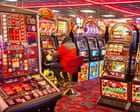
High streets across the UK are crammed with 24-hour bright lights, neon signs, and rows of flashing terminal screens. Adult gaming centres (AGCs) and casinos have quietly popped up on almost every major shopping strip, thriving even as traditional retailers shut down. But the free ride for physical gambling hubs might be coming to an end.
Andy Burnham, widely tipped to become the next prime minister, has the physical gambling sector squarely in his sights. A new proposal floated by the Social Market Foundation (SMF) thinktank suggests that doubling the tax on high-street slot machines could rake in up to £460 million a year. It is a massive sum that could help fund major public spending plans without breaking strict fiscal borrowing rules.
The plan is drawing intense fire from industry insiders, but it has genuine traction where it matters most: the public and a revenue-hungry political class.
The £460m Gambling Tax Blueprint
The tax logic here is simple. Rachel Reeves targeted online gambling in the November budget, bumping up duties for digital casinos. Physical slot machines were completely left out. The SMF wants to fix that loophole by doubling Machine Games Duty (MGD) from 20% to 40% on "Category B" machines.
These aren't the casual fruit machines you play for a few pence in a seaside pub. Category B terminals are high-intensity machines found in dedicated slot sheds and casinos, allowing players to spin for £2 every 2.5 seconds. Right now, these machines generate about £600 million in tax annually. Bumping the rate to 40% would bring in an additional £275 million to £458 million each year.
This cash injection is exactly what a future Burnham administration needs. Burnham previously backed proposals by Gordon Brown to tax the gambling industry to fund an end to the two-child benefit cap. He faces strict warnings from bond markets to avoid heavy borrowing, so finding alternative cash pools is mandatory if he wants to deliver on his social spending goals.
A recent poll by the SMF shows that 43% of the public actively supports raising taxes on AGCs. For a politician looking to fund public services without raising income tax or VAT, this is low-hanging fruit.
Why the High Street Exploded with Slot Sheds
To understand why this tax has broad support, you have to look at how local high streets became dominated by gambling venues.
Many local councils hate these 24-hour venues, but their hands have been tied for two decades. The 2005 Gambling Act—ironically introduced when Burnham was a junior minister under Tony Blair—included a "permit-by-default" rule. This forced licensing authorities to start from a position of allowing new venues to open. If a council rejected a slot shed, the decision was routinely overturned on appeal by the Planning Inspectorate.
The Devolution Act passed in April offered a partial fix by introducing "gambling impact assessments". This allows local councils to look at density—factoring in how many gambling venues already exist in an area before granting a new license.
But for many communities, that change came too late. In Bowes Park, Enfield, residents are currently fighting a 24-hour venue under the Palace Amusements brand on a residential corner. Campaigners point out that there are already 18 gambling premises within a 1.5-mile radius. When traditional shops close, high streets are left with an unappealing mix of vape shops and betting lounges. Burnham has repeatedly criticized this setup, accusing AGC operators of directly targeting vulnerable populations.
The Industry Pushback
Unsurprisingly, the gambling industry claims these tax figures are pure fiction. Bacta, the trade body representing amusement arcades and AGCs, labeled the SMF report "fantasy economics". They argue that a 40% tax rate would instantly destroy the profitability of high-street venues, leading to mass closures and job losses across seaside towns and local communities.
The Betting and Gaming Council (BGC) echoed those fears, claiming that brick-and-mortar betting shops are vital community hubs that keep struggling high streets alive. The industry claims that over-taxing regulated venues won't stop gambling; it will just drive desperate punters toward unsafe, illegal black-market websites.
There is also a political complication. Doubling Machine Games Duty doesn't just hit dedicated slot machine arcades; it also hits high-street bookmakers. These bookies contribute heavily to the horse racing industry through a profit levy. Messing with that revenue stream risks harming British horse racing, which is exactly why Rachel Reeves avoided touching physical machines in her previous budget.
What Happens Next
If Burnham moves into Downing Street and acts on his long-standing criticism of high-street gambling, the industry is looking at a rough ride. Operators like Austrian-owned Admiral and German-owned Merkur—the latter of which faced a massive fine last year for exploiting a terminally ill gambling addict—will likely see their profit margins severely squeezed.
For communities and local councils, the combination of new powers under the Devolution Act and a hefty tax hike could finally stall the spread of these 24-hour slot sheds.
If you are a business owner on the high street or an investor tracking the gaming sector, brace for impact. Keep a close eye on the upcoming Treasury updates and look out for local council announcements regarding local density limits under the new gambling impact assessments. The days of easy, low-tax expansion for high-street slot machines are officially numbered.