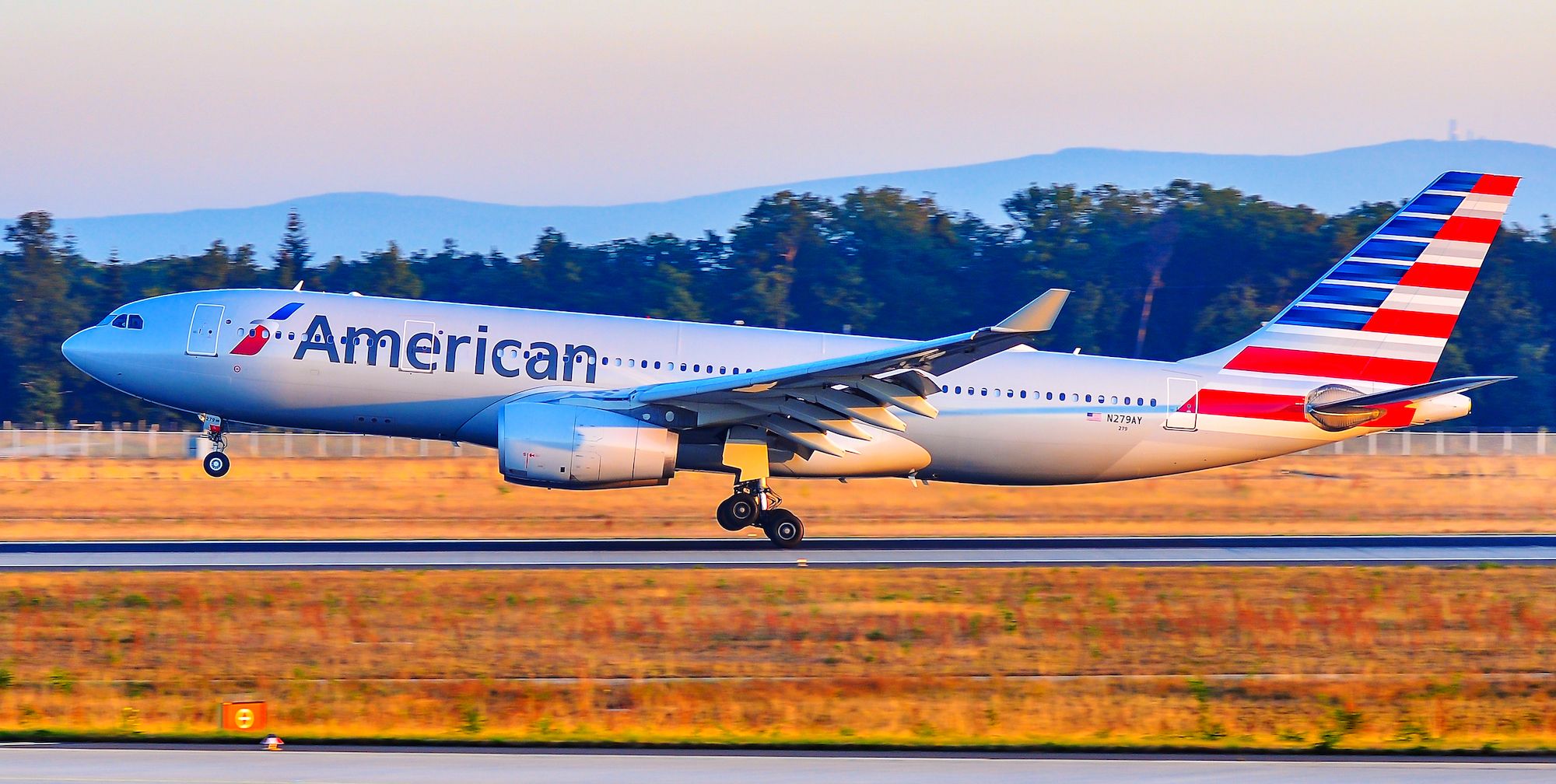
Airlines used to think you needed a massive, widebody jet to cross an ocean. They were wrong. American Airlines just proved it by unveiling its summer 2027 international schedule, anchored heavily by the single-aisle Airbus A321XLR. If you love traveling to Europe without getting stuck on a giant, crowded triple-seven, this shift matters.
The strategy is straightforward. Instead of risking empty seats on a massive Boeing 777 or Airbus A350 flying into smaller European hubs, American is deploying the narrowbody XLR. This opens up direct city pairs that previously made zero financial sense for legacy carriers.
The Routes Changing Transatlantic Flying
The newest batch of international routes targets specific European hotspots that demand high-yield tourism without the massive passenger volume of London Heathrow or Paris Charles de Gaulle. American is leveraging its primary hubs in New York (JFK) and Philadelphia (PHL) to make this happen.
Take the upcoming Philadelphia to Vienna service, for example. Spanning roughly 3,750 nautical miles, this route pushes the single-aisle aircraft to about 6,950 kilometers, making it one of the longer continuous missions assigned to the type. It stretches into Central Europe far beyond initial expectations for narrowbody deployment.
Beyond Vienna, the carrier is adding flights that travelers actually want to book:
- New York (JFK) to Amsterdam (AMS)
- New York (JFK) to Nice (NCE)
- Philadelphia (PHL) to Porto (OPO)
- Philadelphia (PHL) to Reykjavík (KEF)
By dropping a 155-seat single-aisle jet onto these paths, the airline can maintain high frequency and high-end configuration without sweating the lower off-season loads.
Why the Single Aisle Long Haul Works
Passengers used to dread narrowbody planes for short hops, let alone international crossings. But the A321XLR changes the cabin dynamic entirely. American configured these planes with only 155 seats, leaving plenty of breathing room and allowing for premium lie-flat business class suites upfront. You get the intimate feel of a smaller cabin combined with the range of a heavy widebody.
Network planning chief Brian Znotins noted earlier this season that secondary markets like Porto are precisely what this aircraft was built for. You bypass major congested connecting hubs entirely. Flying straight from Philadelphia to smaller European cultural centers cuts out annoying domestic layovers and slashes total travel friction.
Competition is heating up fast. United Airlines recently rolled out its own aggressive narrowbody expansion, targeting cities like Luxembourg and Marseille. Both major carriers realize that flexibility wins the modern international market. When demand shifts or shoulder seasons hit, an airline with smaller planes can adjust frequencies far quicker than competitors locked into massive 300-seat jets.
What This Means for Your Next Trip
If you are planning a European vacation for late spring or summer, look past the traditional gateway cities. The proliferation of these long-range narrowbody flights means you can land directly in places like Vienna or Porto, saving hours of regional train travel or cramped regional connecting flights.
Keep an eye on award space and booking windows as these schedules open up. Because these jets carry fewer total passengers, premium cabin seats will likely disappear faster than standard widebody inventory. Book early, pack light, and watch how smaller planes completely redefine your next transatlantic itinerary.