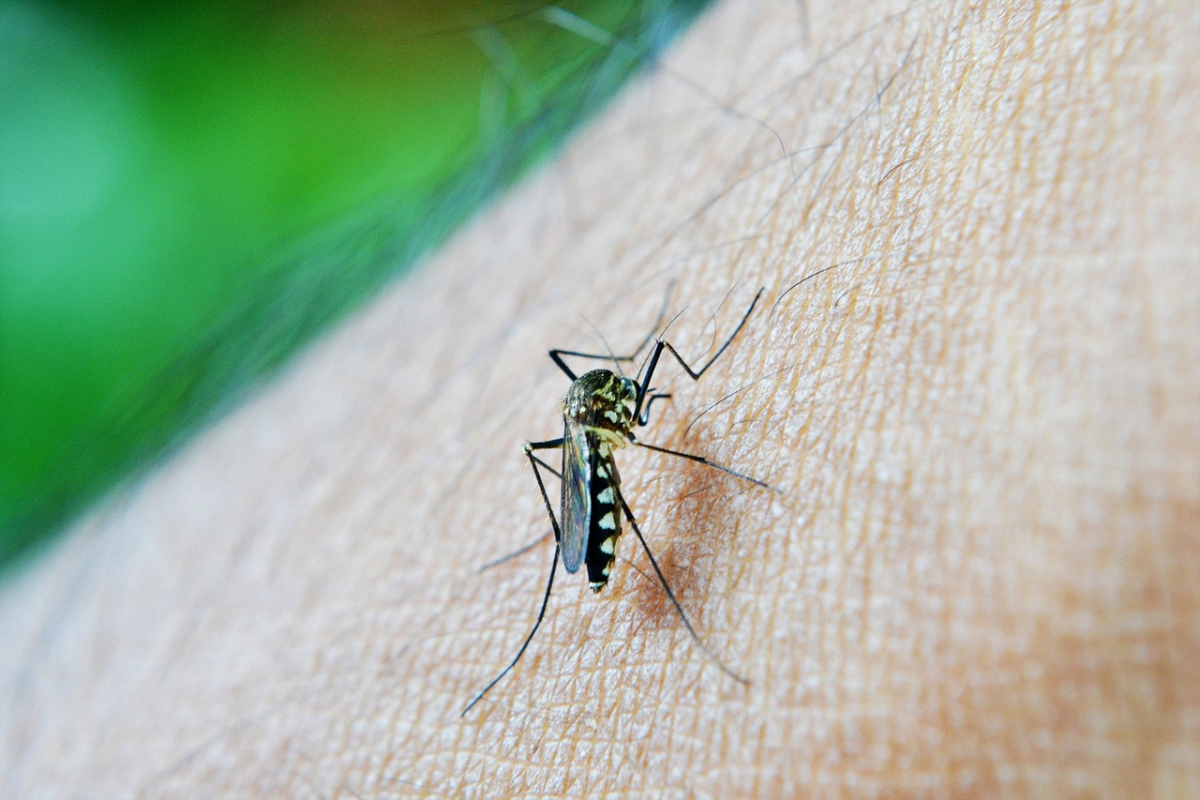
If you walked outside in Alberta recently, you already know the horror. You take three steps onto your lawn and immediately become a buffet. The high-pitched whine in your ear is constant. The slapping is instinctive, rhythmic, and entirely useless.
Albertans are currently experiencing a historic onslaught of bloodsuckers. We haven't seen anything like this in decades. The pest problem has escalated from a minor summer annoyance to a full-blown public health nightmare.
Why is this happening now? For years, the province enjoyed relatively dry, hot summers. Those dry spells gave us a false sense of security. Now, a massive weather shift has triggered a biological bomb that was ticking right under our feet.
The Perfect Storm Behind the 2026 Mosquito Explosion
To understand why you're getting eaten alive, you have to look at the sky and the soil.
Alberta went through years of dry conditions. You might think drought would kill off mosquito populations permanently. That's a huge mistake. Female mosquitoes don't just lay eggs that hatch immediately. They deposit specialized, drought-resistant eggs in dry soil and low-lying areas. These eggs can lie dormant. Not just for a season, but for up to ten years.
They wait. They're incredibly patient.
Then came the June rain. Record-breaking downpours saturated the province, especially around Edmonton, which saw over 100 millimeters of rainfall in a single weekend. All that water didn't just drain away. It pooled in roadside ditches, agricultural fields, and backyard containers.
The dormant egg bank, accumulated over a decade of dry summers, activated all at once.
Overlapping Generations
The biology gets worse. When heavy rain is immediately followed by extreme summer heat, the mosquito life cycle speeds up dramatically. Instead of taking weeks to develop, larvae transform into biting adults in about ten days.
Right now, we are seeing different generations of mosquitoes overlapping. Old eggs are hatching, new adults are feeding, and those adults are immediately laying more eggs in the warm, stagnant water. It's an exponential spiral.
The Experts Are Itching Too
Even the professionals who study these insects for a living are stunned. Ken Fry, an entomologist at Olds College, recently went out for a round of golf in central Alberta. He described the experience simply: he got eaten alive. He spent the day trying to ignore the urge to scratch, knowing that breaking the skin only makes the swelling worse.
Mike Jenkins, a veteran pest management coordinator with the City of Edmonton, points out that we haven't seen a prolonged cycle like this since 1990. Back then, persistent rain started in May, creating a legendary plague of bugs.
Jenkins even shared a horror story of his own from that era. He once got bitten directly on his tongue by an aggressive mosquito before he could even register what was happening. While we might not be quite at the "tongue-biting" stage of panic yet, the numbers are alarming. City traps show mosquito counts jumping by thousands of percentage points in just a couple of weeks.
Knowing Your Enemy: The Species Invading Your Space
Not all mosquitoes are the same. Alberta is home to about 30 different species, but two are doing the heavy lifting this summer.
The Floodwater Menace: Aedes Vexans
This is the classic culprit. If you're getting bitten during the day or early evening in a park, it's almost certainly Aedes vexans.
- Behavior: Highly aggressive daytime biters.
- Breeding ground: Temporary pools of water, flooded fields, and roadside ditches.
- Vigor: They are strong fliers and can travel kilometers away from their hatching site, meaning municipal spraying can only do so much.
The Backyard Invader: Culex Pipiens
Also known as the northern house mosquito, this species is a relatively recent arrival that has been steadily expanding its footprint across Calgary and Edmonton.
- Behavior: Active mainly at dusk and night.
- Breeding ground: Small, artificial containers. Think flower pots, bird baths, clogged gutters, and neglected rain barrels.
- The real danger: This species is a primary vector for West Nile virus. While they historically prefer to bite birds, their growing numbers in urban zones increase the risk of spillover to humans.
The Geography of the Bite: Edmonton vs. Calgary
The mosquito experience isn't uniform across the province. Local geography and weather patterns play a massive role.
The Edmonton Swamp
Edmonton is bearing the brunt of the crisis. The surrounding clay soils retain water exceptionally well. When the capital region gets hit with back-to-back intense storms, the ground saturates quickly. The water stands still, warming up in the sun. This creates vast, natural incubators for Aedes vexans.
The Calgary Wildcard
Calgary started the season expecting a relatively typical year because southern Alberta was initially drier. However, pest management technicians in Calgary warn that a late-season spike is highly likely if sudden heavy rain storms hit warm soils.
Calgary also has to deal with the unique factor of wildfire smoke. Smoke temporarily disrupts insect flight patterns, causing a sudden, aggressive spike in biting activity once the air clears.
How to Protect Yourself and Your Property
Don't rely entirely on the city to spray your worries away. Targeted municipal programs focus on high-traffic parks and major roadside ditches, but they can't access your backyard. You have to take control of your immediate environment.
Ditch the Standing Water
Walk around your property today. Look for anything that holds water for more than a few days.
- Empty flower pot saucers weekly.
- Clean out your gutters. Clogged leaves trap water and create the perfect high-altitude breeding ground for Culex pipiens.
- Flush out bird baths every three to four days to disrupt the larval cycle.
- Keep your lawn mowed short. Tall grass provides cool, humid shelter where adult mosquitoes hide during the hottest parts of the day.
Gear Up Properly
Forget the high-tech gadgets, ultrasonic apps, and untested home remedies. Stick to science.
- Use DEET or Icaridin: These are the gold standards. DEET remains the most effective chemical barrier against aggressive species.
- Wear light colors: Dark clothing absorbs heat and attracts mosquitoes, which use thermal tracking to find their targets.
- Cover up: Loose-fitting, long-sleeved shirts and pants physically block bites.
What to Do When You Get Bitten Anyway
You're going to get bitten. It's inevitable this season. When the itch starts, your response determines how quickly you recover.
According to dermatologists like Dr. Maris Sapijaszko from the Western Canada Dermatology Institute, the itch is an allergic reaction to the mosquito's saliva. Scratching damages the skin barrier, introduces bacteria from your fingernails, and triggers more histamine release.
Basically, scratching makes it itch more.
Instead of clawing at your skin, use a cold compress or an ice cube. The cold numbs the nerve endings and reduces inflammation. Pair that with an over-the-counter oral antihistamine or a topical calamine lotion. Skip the viral internet hacks like burning the bite or using pimple patches. They don't work and can irritate your skin further.
Immediate Next Steps to Take Today
The prolonged mosquito season isn't ending anytime soon. Take these three steps right now to secure your yard:
- Inspect your gutters: Clean out the muck to deny Culex mosquitoes a home.
- Buy repellent now: Retailers are reporting low stocks due to high demand, so don't wait until your next camping trip.
- Check your screens: Ensure your window and door screens have no tears to prevent hungry pests from migrating indoors.