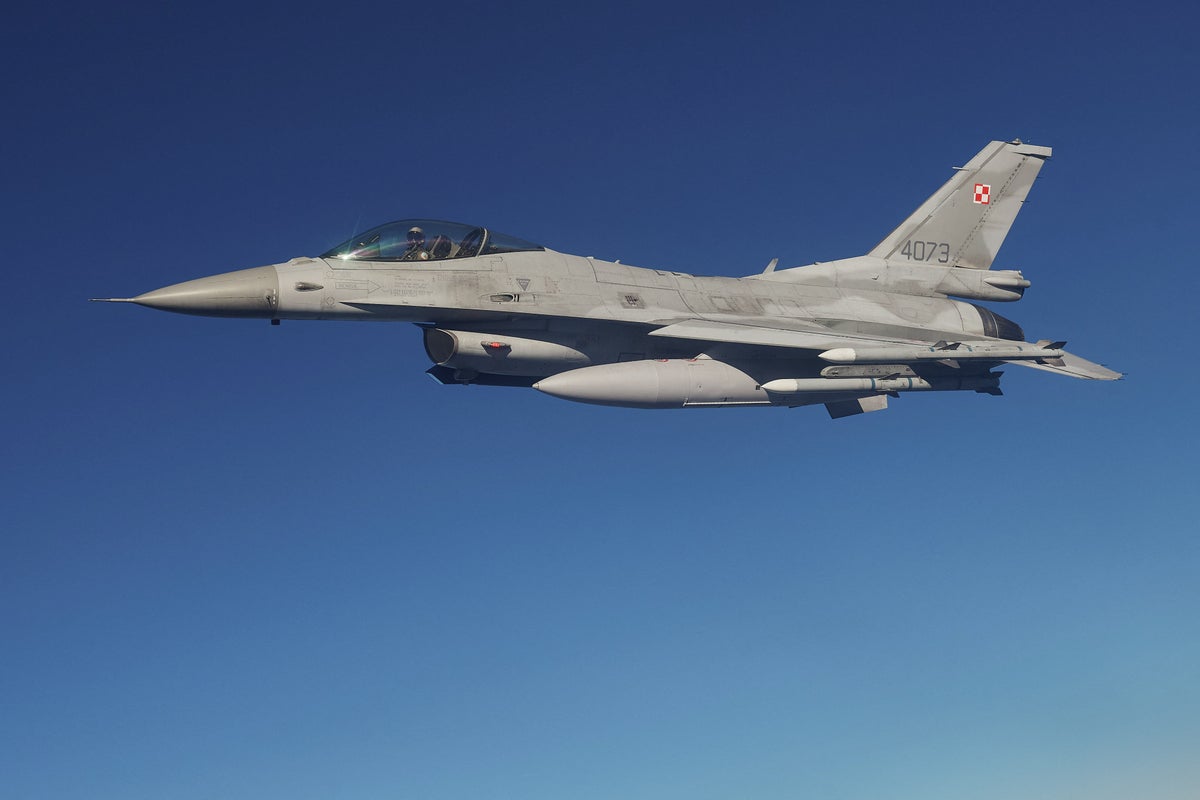
Fighter jets breaking the sound barrier over a golf resort isn't your average Sunday afternoon occurrence. Yet, when North American Aerospace Defense Command (NORAD) F-16s scrambled to intercept errant civilian aircraft over Bedminster, New Jersey, it marked yet another chapter in a persistent aviation security headache.
You've probably seen the dramatic clips on social media. A sleek military jet pulls up alongside a tiny general aviation Cessna, rocking its wings or deploying flares to signal a startled weekend pilot. It looks like a movie scene. It's actually a high-stakes safety protocol triggered by a simple failure to check basic flight data.
Let's look at why these temporary flight restrictions (TFRs) keep getting breached and what it actually takes to trigger an air defense response.
The Mechanics of a Temporary Flight Restriction
When high-profile figures or presidents travel, the Federal Aviation Administration (FAA) throws a invisible bubble over the area. Around Donald Trump's Bedminster estate—or his Mar-a-Lago property in Florida—these TFRs usually span a multi-mile radius and extend upward for thousands of feet.
Pilots call these zones landmines. If you don't check your Notices to Airmen (NOTAMs) before you pull your plane out of the hangar, you fly right into a restricted sector.
Here is what happens behind the scenes when a violation occurs:
- Ground radar picks up the transponder return of the unauthorized aircraft.
- NORAD controllers evaluate the trajectory, speed, and behavior of the target.
- Quick-reaction alert F-16s scramble into the air within minutes.
- Pilots make visual contact, attempt radio communication on emergency frequencies, and sometimes deploy flares to force compliance.
Most of the time, these are local weekend hobbyists who simply forgot to update their flight planning software. But the military cannot afford to guess intentions.
Why Weekend Pilots Keep Getting It Wrong
You might wonder how a licensed pilot misses a massive restriction. Honestly, general aviation cockpit management is chaotic. Recreational flyers often rely on outdated flight apps, or they skim their pre-flight briefings too quickly.
When major events happen near restricted zones—like golf tournaments or regional sports fixtures—air traffic volume spikes. Local airspace gets crowded. Pilots get tunnel vision navigating around busy corridors, miss a single NOTAM update, and suddenly find an armed F-16 sitting off their wingtip.
The consequences go beyond a scary afternoon. Violators face aggressive ramp checks, FAA certificate suspensions, and hefty civil penalties.
The Broader Security Puzzle
Securing a moving target like a former president or high-ranking official requires an immense coordination effort between the Secret Service, the FAA, and NORAD. Every single violation forces a diversion of military resources and introduces a split-second window of uncertainty.
Air defense commanders routinely publish reminders urging civilian pilots to check digital flight logs twice before takeoff. Until pilots tighten up their pre-flight habits, expect more fighter jets screaming over suburban New Jersey skies.
Check your NOTAMs before you fly, or prepare to meet the United States Air Force up close.
This video provides actual footage and news coverage of the F-16 fighter jets intercepting civilian aircraft over the restricted airspace in New Jersey.
http://googleusercontent.com/youtube_content/1