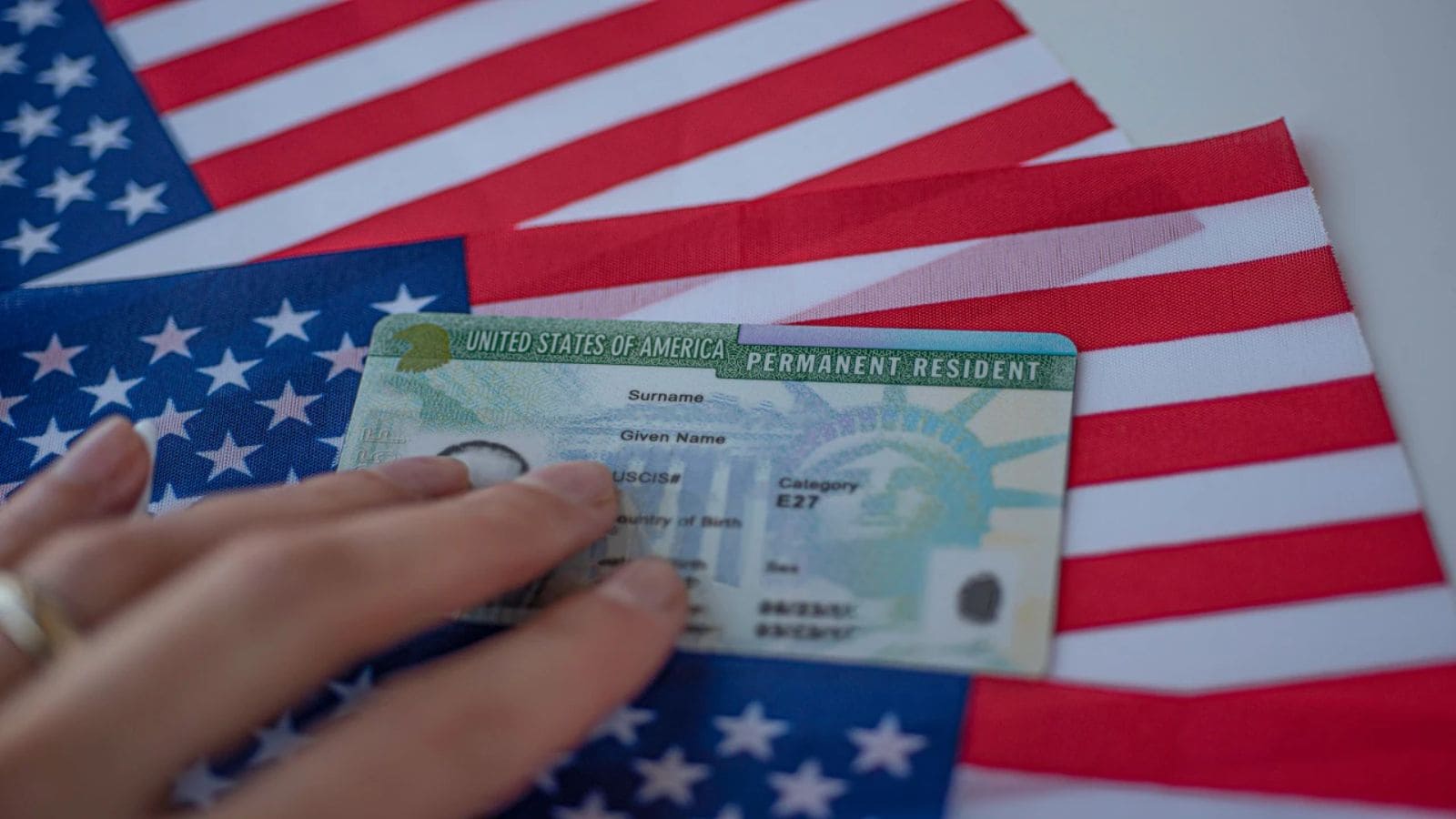
If you’re in the middle of a green card application, stop what you’re doing and pay attention. Immigration policy in the United States isn't just a static set of rules; it’s a shifting foundation. On July 20, 2026, the Department of Homeland Security officially announced it is rescinding the 2022 Biden-era public charge regulations.
This isn't just bureaucratic window dressing. It’s a return to a more discretionary, wide-reaching assessment process that kicks in for all applications postmarked on or after September 18, 2026. If you’ve been relying on the relative clarity of the 2022 framework, you need to recalibrate your expectations immediately.
Why the shift matters
For years, the public charge test has felt like a moving target. The 2022 rule had narrowed the definition of "public charge" significantly, making it easier for applicants to understand exactly what benefits—like certain forms of Medicaid or housing assistance—would trigger an inadmissibility flag.
The new guidance effectively tosses that narrow definition out the window. USCIS officers are moving back to a "totality of the circumstances" approach. That’s lawyer-speak for: the officer has a lot more discretion. They aren't just looking at a checklist anymore; they’re looking at the big picture of your financial independence.
Who is actually affected
First, take a deep breath. Not everyone faces this scrutiny. If you’re already a green card holder, a refugee, an asylee, or a survivor of domestic violence applying under VAWA, you generally don’t need to worry about the public charge ground of inadmissibility.
However, if you are filing a Form I-485 for adjustment of status after September 18, 2026, you are squarely in the crosshairs of this new policy. The core intent of the government is simple: they want to ensure that anyone entering the permanent residency track is self-sufficient. They don’t want applicants who are primarily dependent on taxpayer-funded government benefits.
The end of the bright-line test
Many applicants loved the 2022 rule because it felt predictable. You could look at a list and say, "Okay, I am not using these specific programs, so I'm safe." That predictability is effectively dead.
Starting September 18, 2026, USCIS will consider the totality of your circumstances. This includes:
- Your age
- Your health
- Your family status
- Your assets, resources, and financial status
- Your education and skills
If you’ve used any means-tested public benefits, expect a closer look. The officers are looking for a pattern of dependence. It’s not just about what you’ve received in the past; it’s about their professional judgment regarding your likelihood of needing future support.
Practical steps to protect your application
You shouldn't panic, but you should be proactive. If you’re currently preparing your application, here is how to handle the uncertainty:
- Document your financial stability: Don’t just provide the bare minimum. Show your tax returns, your employment history, and your savings. The more evidence you have that you can support yourself without government aid, the better.
- Consult with an expert: Because the "totality of circumstances" is inherently subjective, having a lawyer who understands how your local USCIS field office has historically applied discretionary tests is worth every penny. Don't guess with your future.
- Understand the bonds process: The new guidance also clarifies the procedures for public charge bonds. If an officer does determine you’re likely to become a public charge, a bond is sometimes a path forward to overcome that inadmissibility. It’s an expensive, complex route, but it exists.
Avoid common mistakes
The biggest mistake people make is hiding information. Don't do it. If you have received benefits, be honest about it. The government has ways to verify this information, and a perceived lack of transparency is a far bigger red flag than the use of a benefit itself.
Another mistake? Assuming that because you qualify for a benefit, you’re entitled to take it while your application is pending. Evaluate every single program you use against the reality of your immigration goal. If it’s not absolutely necessary for your survival, think twice.
The goal is to present a clean, clear case that you are a contributor. Keep your records organized, focus on your self-sufficiency, and be prepared to explain your financial situation if asked. September 18 isn’t a wall—it’s just a change in the weather. Dress accordingly.