Wood rots. Fire turns ancient beams into floating ash within minutes. Yet, archaeologists digging in the City of David just pulled out something that defies basic chemistry. They found intact wooden beams from the destruction of Jerusalem's First Temple in 586 B.C.
Organic matter from that era usually vanishes without a trace. This find survived, and the reasons why are rewriting how researchers study antiquity.
The Accidental Preservation That Baffled Experts
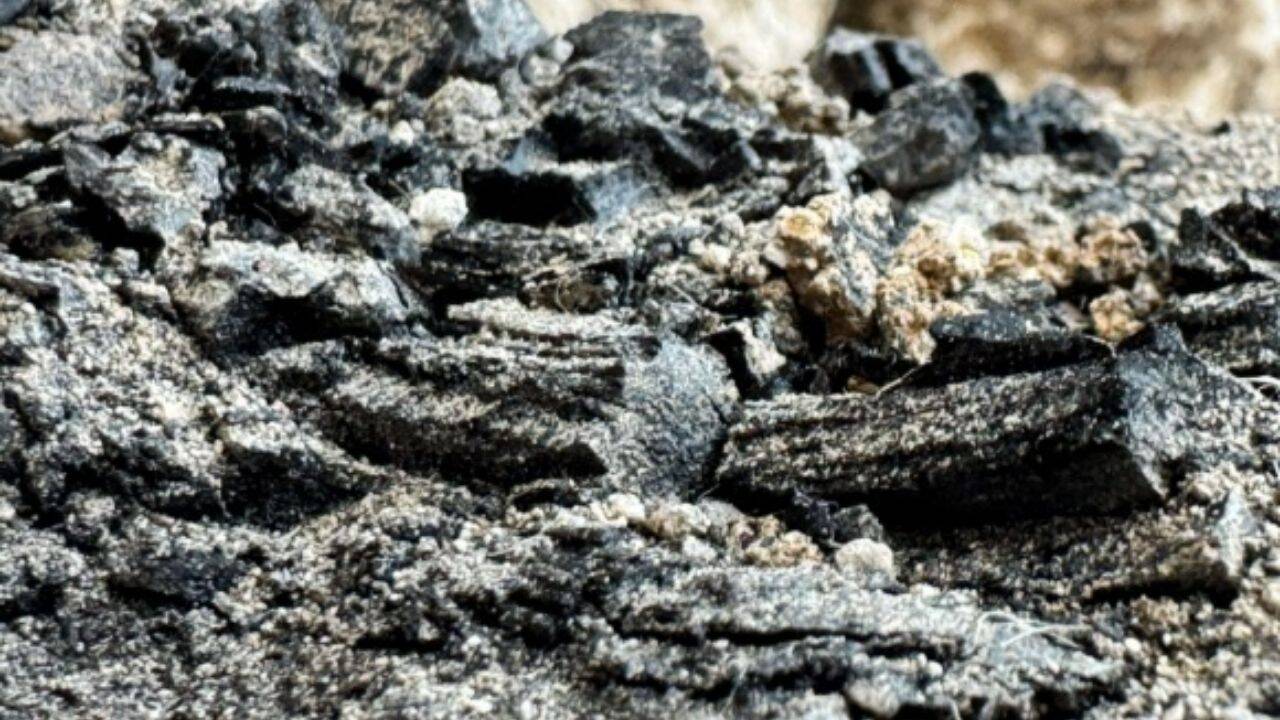
The discovery happened in the Givati Parking Lot excavation zone. Researchers found charred sycamore beams buried under layers of debris. These weren't random twigs. They formed part of an interior courtyard roof inside a massive building crushed during the Babylonian siege led by Nebuchadnezzar II.
How did wood survive an inferno that brought down Solomon's Temple? Pure physics.
When the building collapsed, the intense heat melted the plaster off the walls. That liquid plaster cascaded over the burning timbers. It created an airtight, oxygen-starved seal. Without oxygen, the fire choked out, and the wood stopped burning completely. It sat frozen in time for twenty-six centuries.
Archaeologists didn't just find a burned stick. They found a high-resolution timeline.
Reading the Rings of Jerusalem's Destruction
Tree rings tell stories. In normal circumstances, dating ancient organic material is messy. Radiocarbon dating usually leaves researchers guessing within a window of a hundred years or more. That broad margin drives historians crazy.
This wooden relic changes the math.
Because the sycamore beams contain distinct, well-preserved growth rings, scientists can match them against regional climate records. Paired with high-precision radiocarbon analysis, researchers like Johanna Regev can narrow down the timeframe to a single decade.
Think about what that means. You're looking at a calendar carved by nature during the exact final weeks of the Kingdom of Judah.
Why Ancient Residents Left the Ruins Alone
The surprise doesn't stop at the chemistry. Excavation directors made another observation about the site. When people returned to Jerusalem decades after the Babylonian exile, they didn't clear the rubble.
They built right over it.
The burned remains, the collapsed walls, the ash—they left the destruction layer completely untouched. Archaeologists believe this was a conscious choice. People wanted to remember. They wanted future generations to walk over the physical proof of the city's greatest tragedy.
It mirrors the modern observance of Tisha B'Av, the traditional day of mourning marking the fall of both the First and Second Temples. Memory isn't just written in books. Sometimes, it's buried under feet of municipal fill.
What This Means for Biblical Archaeology
Every dig in Jerusalem unearths history, but finding organic building materials from the Iron Age is exceptionally rare. Most finds are stone, pottery, or metal. Wood decays in the damp Mediterranean soil unless an extreme event locks it away.
This discovery gives researchers a direct physical link to the scriptural accounts of the First Temple's collapse. It bridges the gap between ancient texts and hard, scientific data.
Stop treating ancient history as a guessing game. When science catches up to physical evidence, the past gets very loud very fast. Look at the data, track the carbon, and watch how modern archaeology keeps rewriting the history books.