The magnitude 7.4 earthquake that tore through western Colombia on August 10, 2026, isn't just another natural disaster headline. It’s a wake-up call for how quickly infrastructure can fail when the earth moves. While early reports focused on the initial casualty numbers, the reality on the ground in departments like Chocó and across the Eje Cafetero is grim.
As of mid-August, the death toll has climbed to 281, with nearly 4,000 people injured and hundreds still missing. If you're looking for a clear picture, don't just rely on the national totals. The damage spans 15 departments and over 400 municipalities. This wasn't a localized event; it was a country-wide shock.
The Reality of the Infrastructure Collapse
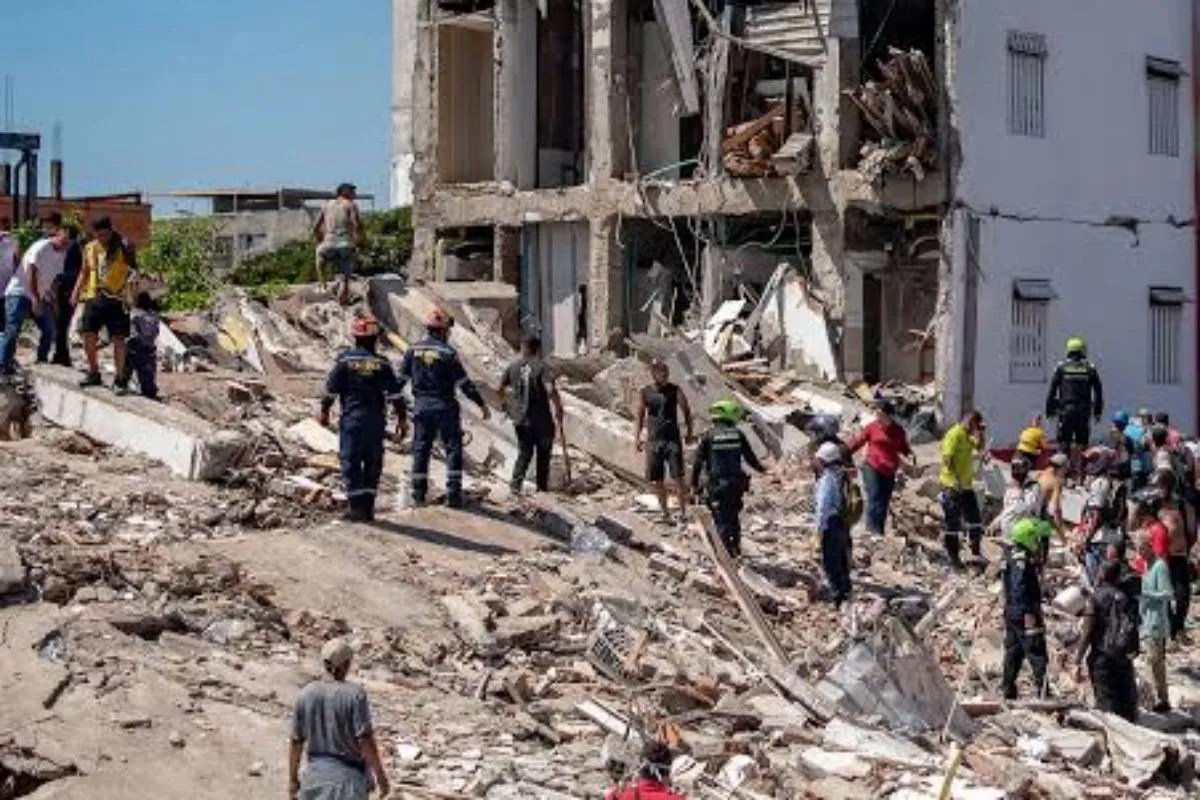
Most people don't realize how deep the destruction goes until they see the logistics. We aren't talking about a few cracked walls. Thousands of homes are simply gone. The National Unit for Disaster Risk Management (UNGRD) reported over 10,000 homes destroyed and tens of thousands more heavily damaged.
Think about the hospitals. Seven hospitals were evacuated nationwide, and 188 health facilities sustained damage. When you lose healthcare access in the middle of a disaster, the death toll inevitably rises. It’s a cascading failure. Roads to critical hubs like Buenaventura were blocked by landslides, turning search-and-rescue operations into a race against geography.
Why the Death Toll Keeps Rising
If you've been following the news, you might be confused by shifting numbers. Why did the count move from dozens to hundreds in just days? It’s common in these events to have a "consolidation lag." Early reports from local municipalities often don't match the national data because communication lines were severed.
In Chocó, the epicenter near San José del Palmar, many off-grid areas went completely dark. Without power or cell service, those communities essentially disappeared from the official maps for 48 to 72 hours. As the military and Red Cross teams finally reach these remote zones, the official figures reflect the true scale of the tragedy.
The Survival Window and Current Needs
The 72-hour mark passed days ago. Experts know that finding survivors under debris becomes exponentially harder after this point. But the crisis doesn't end when the search concludes. Right now, the country is facing a massive humanitarian gap.
- Medical Surge: Trauma kits, surgical supplies, and blood products are in critically short supply.
- Shelter: With over 9,000 homes leveled, thousands of families are sleeping outdoors.
- Water and Sanitation: In areas like Buenaventura, a pre-existing water crisis is now a full-blown emergency.
If you’re wondering how to help or what comes next, focus on organizations with established supply chains in the Eje Cafetero. The Colombian government has declared a national disaster, and while international aid from the EU and the US is trickling in, the internal logistics are where the battle is being won or lost.
Lessons from the 2026 Quake
This isn't the first time Colombia has dealt with seismic activity, but it’s the most significant event in at least a decade. The fact that the quake occurred at an intermediate depth of roughly 110 kilometers spread the shaking across a massive area, including Panama and Ecuador.
Don't wait for a "complete" final report to understand the impact. The numbers are a floor, not a ceiling. Buildings that didn't collapse initially are now being flagged as structurally unsound, leading to further displacement.
If you are currently in or near the affected regions, follow the instructions of local authorities regarding building safety. If you’re donating, prioritize in-kind support like clean water, hygiene kits, and generators over unrequested physical items that can clog supply routes. The situation remains volatile, and the recovery will likely take years, not months. Keep your eyes on the ground-level reports from the UNGRD rather than just the hourly ticker.
The focus now must shift from recovery to long-term stabilization. Stay informed through local, on-the-ground updates.