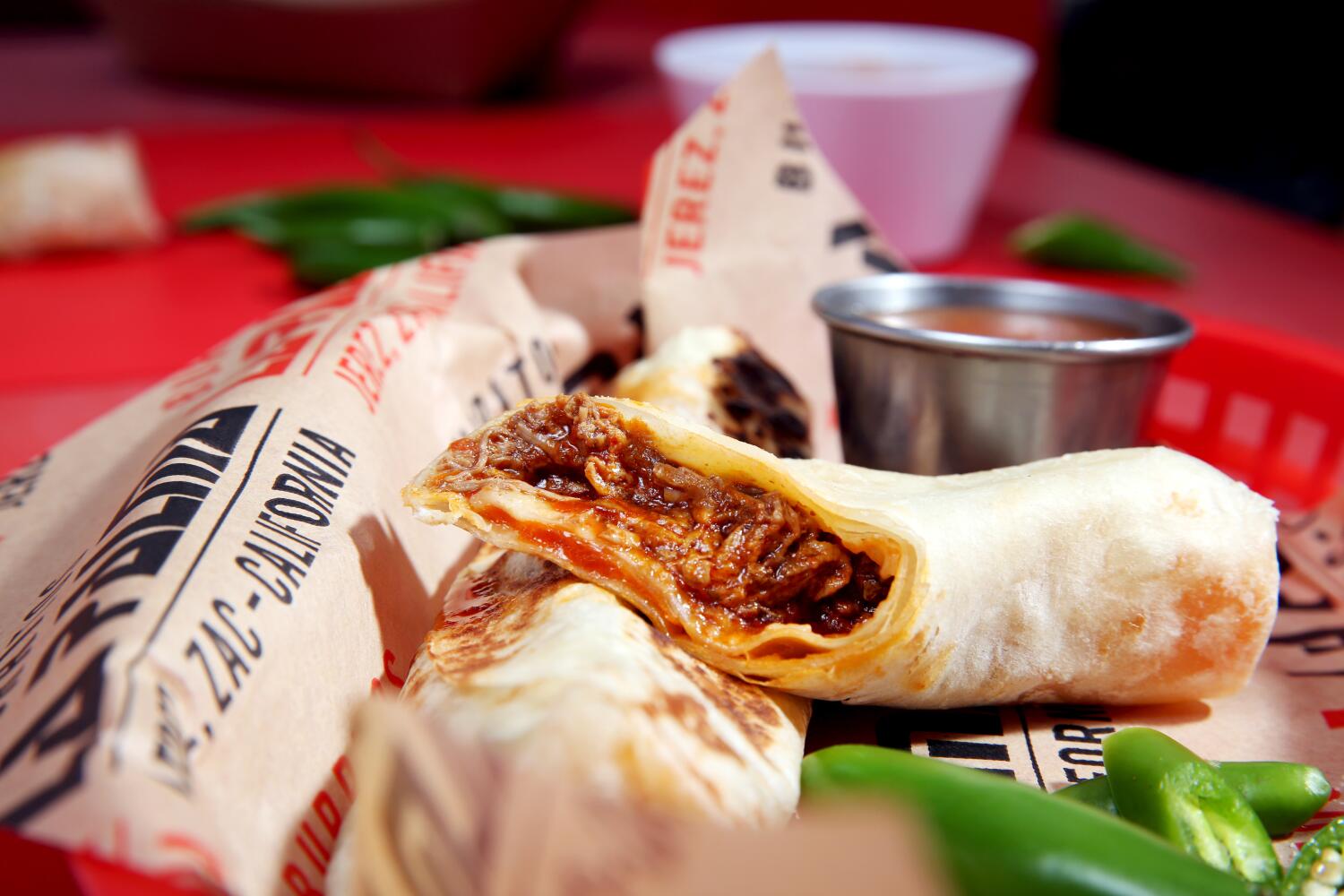
A simple flour tortilla stuffed with carne asada shouldn't feel like a luxury purchase. Yet a quick complaint about a $20 burrito set social media on fire, dragging political commentators, cable news channels, and campus halls into a fierce debate over American living costs.
For politicians on Washington panels, it's a handy talking point for soundbites. For college students living in Los Angeles, it's a harsh economic reality where grabbing a fast-casual lunch costs more than an entire hour of hard labor at minimum wage.
How a Simple Lunch Order Ended Up on Cable News
The viral storm kicked off when Turning Point USA spokesman Andrew Kolvet shared a post on X. A young student member had told him flat out that a burrito shouldn't cost $20. Kolvet posted that while much of the price jump stems from COVID and inflation hangovers, the daily reality feels brutal for young people trying to get by.
That single post racked up over three million views. Vice President J.D. Vance and major news outlets quickly weighed in, turning a casual complaint about fast food into a centerpiece argument over the national economy.
Politicians love using simple foods as political weapons. They turn lunch menus into economic scorecards to score political points against their rivals. But behind the online outrage lies a genuine crisis for students who are trying to balance tuition, rent, and basic nutrition. When casual dining prices double in a few short years, young adults are left scrambling to pay for basic daily meals.
The Grim Math Behind Hourly Wages and Food Costs
To understand why a $20 burrito hurts so much, you have to look at the numbers. In Los Angeles, the city minimum wage climbed to $18.42 per hour as of July 2026. On paper, that wage sounds decent compared to federal rates. In practice, it falls completely short of covering coastal living expenses.
When a student works a minimum-wage job on or near campus, taxes reduce that hourly check instantly. That means working one full hour isn't even enough to buy one single burrito.
USC graduate Klarissa Palacios put this trade-off into sharp focus while reflecting on her time in school. Even when her internship pay reached $25 an hour, buying three $20 meals a day meant working five out of her eight daily hours just to feed herself. Spending over 60% of a workday's earnings purely on food leaves almost nothing for rent, transit, health costs, or textbooks.
Food isn't an optional subscription you can cancel. You have to eat every single day. When a standard lunch outstrips an hour of work, the entire economic equation breaks down for young adults.
What $20 Actually Buys in the Los Angeles Food Scene
Los Angeles is one of the world's great Mexican food capitals. You can find incredible regional cooking on almost every corner. But pricing across the city has shifted drastically.
Some specialty spots now sell hefty oversized creations that cross the $20 threshold easily. When flagship taco spot El Ruso opened in Studio City, their massive Sonoran flour tortilla burritos filled with prime rib-eye or chile Colorado debuted at $20. Over on weekend brunch menus, like at Daisy Margarita Bar, a beef machaca and shrimp wrap goes for $24.
Average Price Range for L.A. Burritos in 2026

$5 - $8   : Small homestyle burritos (Burritos La Palma style - usually need 2 to 3)
$12 - $16 : Standard neighborhood taqueria burritos
$18 - $24 : Gourmet, rib-eye, seafood, or specialized brunch burritos
On the lower end, places like Burritos La Palma sell smaller homestyle Zacatecas burritos for $5 each. But because they are small, most diners need two or three to make a complete meal, bringing the total right back up to $15 or more.
On-campus choices aren't giving students a break either. Food trucks parked near campus quadrangles charge $16 to $20 for standard wraps. University dining plans often require upfront commitments that break down to hefty prices per swipe. Students end up trapped between overpriced dining halls and expensive surrounding restaurants.
Why Telling Students to Just Eat Ramen Fails Today
When price complaints surface, older generations often reply with classic advice: "Back in my day, we lived on 25-cent instant ramen, so you should too."
That argument doesn't hold up anymore.
First, instant noodles aren't as cheap as they used to be. Inflation hit packaged pantry goods hard over the last four years. Second, young adults today understand health and wellness far better than previous generations. A daily diet loaded with sodium, refined carbohydrates, and zero real vitamins leads directly to energy crashes, poor concentration, and long-term health problems.
Students aren't asking for organic rib-eye steak for lunch every afternoon. They just want clean protein, fresh vegetables, and reasonable portions without wiping out their checking accounts. Telling young people to survive on junk food ignores basic human health needs.
How College Students Are Fighting Back and Adapting
Rather than waiting for food prices to drop, students across Los Angeles are taking matters into their own hands. Survival strategies are turning into everyday habits on campus.
Bulk Meal Prepping on Weekends
Batch cooking has turned into a standard weekend routine. Buying rice, black beans, chicken thighs, and seasonal vegetables in bulk allows students to assemble five days of lunches for around $3 to $4 per serving. It takes two hours of effort on Sunday to save over $80 during the week.
Shared Cooking Clubs and Dinner Groups
Solitary cooking gets expensive because small ingredient packages cost more per ounce. Students like Herfurth have organized communal cooking groups with roommates and friends. Splitting bulk groceries and cooking together cuts per-meal costs in half while turning dinner into a social break.
Finding True Neighborhood Local Spots
Campus-adjacent restaurants mark up prices because they pay exorbitant commercial rents. Savvy students walk five blocks off-campus to support family-owned neighborhood stands where a solid lunch still costs under $10.
Actionable Steps to Beat High Campus Food Costs
If you're facing high food bills in a major city, you don't have to let lunch prices drain your bank account. Use these practical steps starting this week.
- Calculate your hourly food ratio. Divide the price of a takeout meal by your actual post-tax hourly pay rate. If lunch takes more than 45 minutes of work to cover, skip the restaurant and pack a meal instead.
- Master three basic bulk recipes. Learn to make a big pot of chili, chicken burritos, or grain bowls. Store them in airtight glass containers for quick meals throughout the week.
- Carry high-protein emergency snacks. Keep almonds, pumpkin seeds, or protein bars in your backpack. When hunger hits between classes, you won't be forced into buying a overpriced $18 food truck meal out of desperation.
- Use campus pantries and food resources. Almost every major university now operates a free food pantry stocked with fresh produce, grains, and canned goods. There is no shame in using resources designed specifically to support students.
- Ditch the meal plan if you live off-campus. Mandatory university dining plans often charge a premium for convenience. Buying your own groceries and cooking basic meals usually saves thousands of dollars per semester.