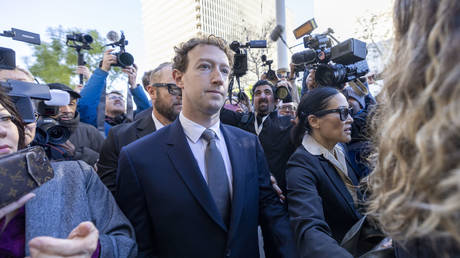
You have probably seen the headlines. A massive federal trial in Oakland, California, is currently testing whether Meta, the parent company of Facebook and Instagram, should pay a staggering 1.4 trillion dollars in penalties. It sounds like a number pulled from a science fiction movie, but it is very real. This trial is not just a high-stakes corporate fight. It is a fundamental clash over how digital products are built, who is responsible when they go wrong, and whether the addiction we feel while scrolling is a feature, not a bug.
If you are wondering why the stakes are this high, it comes down to how attorneys general from states like California, Colorado, Kentucky, and New Jersey are doing their math. They are multiplying the number of alleged consumer protection violations by the maximum fines allowed under state law. Because Meta has millions of young users, the total adds up to an astronomical figure that basically equals the company's entire market cap. Meta calls it "outlandish," but the court is taking the underlying claims of predatory design seriously.
The Core of the Problem
The central question here is simple: Did Meta knowingly design its platforms to addict children? The plaintiffs argue that engineers didn't just stumble upon "infinite scroll" or push notifications by accident. They argue these were intentional choices designed to keep users—specifically developing adolescents—hooked.
Think about how your own brain reacts to a red notification dot or the endless, algorithmic feed. That is not an accident. It is a psychological feedback loop. The lawsuit claims that Meta knew these features would lead to anxiety, depression, body dysmorphia, and sleep deprivation in teens, yet they prioritized engagement metrics over safety. They didn't just fail to protect kids; they allegedly optimized their products to capture their attention at any cost.
Why This Trial Is Different
We have seen tech companies get fined before. Usually, these are just the cost of doing business. A few million here, a billion there, and the company keeps rolling. This trial is different for a few reasons.
First, the sheer volume of discovery documents has been unprecedented. Whistleblowers, including Frances Haugen back in 2021, already signaled that the company had internal research showing their apps were harmful. Now, that research is being scrutinized in a federal courtroom. Second, previous courtroom losses in Los Angeles and New Mexico have created a momentum that the company cannot easily brush off. The "addiction" defense—where Meta argues that social media addiction isn't a recognized clinical condition—is becoming harder to sell to juries who have heard from parents and victims directly.
The Section 230 Hurdle
For years, tech giants have hidden behind Section 230 of the Communications Decency Act. It effectively shielded them from being held liable for what users post on their platforms. It is the reason why they haven't been treated like publishers.
However, Judge Yvonne Gonzalez Rogers is focusing on the product design itself, not the content. This is a brilliant shift in strategy. If the allegation is that the "machine" is broken—that the algorithm is inherently negligent—then Section 230 matters less. The legal argument is that Meta isn't being sued for a post you saw; it's being sued for the mechanism that forced that content onto your screen to keep you clicking.
What Happens Next
Regardless of whether the final number is 1.4 trillion or significantly less, the outcome will change the industry. If the states win, Meta could be forced to:
- Overhaul their algorithms to prioritize well-being over engagement.
- Delete AI models trained on children's data.
- Implement strict, verified age gating that actually works.
Even if the company manages to drag out the appeals for years, the message to Silicon Valley is clear. The era of building addictive, black-box algorithms without accountability is ending.
If you are a parent or a user who feels the pull of these platforms, start taking back your space now. Turn off non-essential notifications. Use grayscale modes to reduce the visual dopamine hit. Audit who you follow and why. Do not wait for a court verdict to decide how much of your life you want to trade for an algorithm's engagement metrics. You are the only person who can reset your own boundaries.
The courtroom drama will continue for weeks, but the real test of these platforms happens every time you unlock your phone. Be more intentional with your screen time.